

Milwaukee's Polish food scene: Best pierogi, kielbasa and pączki
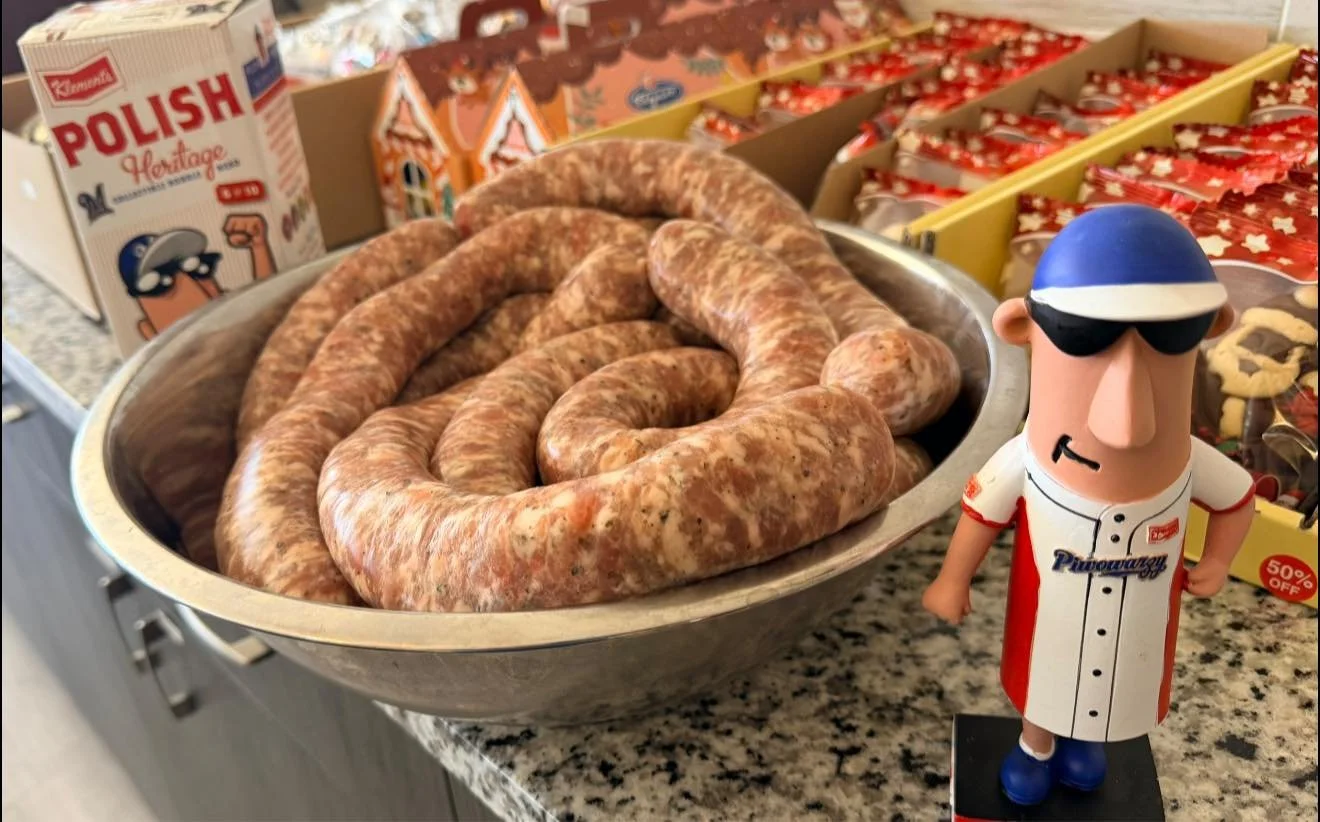
Wioletta's Polish Market
Milwaukee is one of America's great Polish food cities, and it's in the middle of a renaissance. After the heartbreaking 2022 closure of Polonez — the beloved St. Francis institution that served handmade pierogi for three decades — many feared the end of an era. Then Wioletta's Polish Kitchen opened in Oak Creek in October 2025, and the city exhaled. Combined with legendary delis, century-old bakeries, the nation's largest Polish festival, and a butcher shop that only opens two days a week, greater Milwaukee offers one of the richest Polish food landscapes in the country. More than 200,000 residents trace their roots to Poland, and that heritage lives most vividly on the plate.
A new restaurant fills a pierogi-shaped hole
Wioletta's Polish Kitchen (7135 S. 13th St., Oak Creek) is the most significant Polish restaurant opening in Milwaukee in years. Run by Adam and Wioletta Bartoszek — both born in Łódź, Poland — the restaurant occupies a converted Applebee's near the Marcus South Shore Cinema, transformed with family portraits, Polish scenes, and a glowing backlit map of Poland.
The menu reads like a love letter to Polish home cooking. The Polish Plate ($25) is the perfect starting point for families: Polish sausage, ribs with gravy, a meat pierogi, potato of the day, hunter's stew (bigos), and red cabbage salad — essentially a greatest-hits sampler. The pierogi sampler ($19) delivers a dozen pillowy dumplings across three fillings: cheese and potato, mushroom and sauerkraut, and pork. Other standouts include beef goulash served over crispy potato pancakes ($25), stuffed cabbage (gołąbki) with a cheese pierogi on the side ($18), and a beautifully breaded pork chop with red cabbage ($19). Soups rotate daily — the creamy mushroom and dill-rice versions draw particular praise.
The full bar features a clever touch: Wioletta's Flight, a trio of plum, cherry, and honey liqueurs that captures the spirit of a Polish grandmother's cupboard. The Shepherd Express raved in January 2026 that portions are generous, flavors are deeply authentic, and the staff is "unfailingly friendly, even cheerful." It's now the top-rated Polish restaurant on Yelp in the Milwaukee area.
Kegel's Inn (5901 W. National Ave., West Allis) deserves mention as well. This century-old family-owned restaurant, established in 1924, is primarily German but straddles the Polish-German culinary border with ease. The National ($9) — a Polish sausage topped with sweet-and-sour red cabbage, cheese curds, and chives — is an affordable masterpiece. Their house-made potato pancakes (placki) served with applesauce evoke multi-generational memories, and the legendary Friday fish fry is regularly voted Milwaukee's best. The beer garden, called Bootleggers Alley, makes a wonderful family outing in warm months.
For something truly old-school, Tower Chicken (4111 S. 6th St., Milwaukee) has been open since 1948 and serves czarnina — duck blood soup — one of the rarest authentic Polish dishes you'll find anywhere in America. They also offer excellent pierogi in multiple varieties and a warm chicken dumpling soup that could cure anything.
Milwaukee's Polish soul
If restaurants are the public face of Polish food, the delis are the beating heart. These small, family-run shops are where Polish-speaking staff slice fresh kielbasa, where coolers overflow with a dozen soups, and where the signage is as likely to be in Polish as English.
Wioletta's Polish Market (3955 S. Howell Ave., Milwaukee) is the companion shop to the Oak Creek restaurant, and it's a wonderland in miniature. A deli case stretches the length of the store, packed with multiple varieties of kielbasa, ham, rolled bacon, and hard salami. The cooler holds 12 or more soups sold by the pint — take them home for the easiest authentic Polish dinner you'll ever make. Frozen pierogi come in both sweet and savory flavors, and Wioletta herself makes stuffed cabbage fresh every Friday. The market also carries dried kluski noodles, Polish butter, twaróg (farmer's cheese), pączki with three fillings, and an impressive wall of Polish vodkas. Milwaukee Magazine called it "a comfort food dream."
A&J Polish Deli (1215 W. Lincoln Ave., Milwaukee) sits in the shadow of the Basilica of St. Josaphat in the historic Lincoln Village neighborhood, and it may be the most authentically Polish shopping experience left in Milwaukee. Most signage is bilingual English-Polish, the owner drives to Chicago twice weekly for the freshest products, and the sausage case holds roughly 20 varieties of kielbasa and Eastern European cured meats. Polish natives who shop here say flatly: "I won't eat any other sausage." The candy aisle stocks Ptasie Mleczko (chocolate-covered marshmallow), Wedel chocolate bars, and pierniczki toruńskie (Toruń gingerbread). Best days to visit are Fridays and Saturdays, when the freshest shipment has just arrived.
Old World Deli (7630 W. Grange Ave., Greendale) serves the southern suburbs and feels, as one reviewer put it, like "you have left Milwaukee and entered a deli in Europe." Staff speaks both English and Polish. Their cherry wood-smoked kielbasa and Kraków sausage are standouts, European breads arrive fresh on Tuesdays and Fridays, and the chrusciki (angel wings) are exceptional. Sunday brings hot ham and rolls — a Milwaukee tradition with clear Polish-German roots. They're also regulars at Polish Fest.
M&P Polish Deli & Liquors has been a hub for Milwaukee's Polish expatriate community, run by Polish immigrants Przemysław Rybicki and Małgorzata Rostkowska. Known for szynka staropolska (old Polish-style ham), homemade sausages, and pączki in creative flavors like rose and tiramisu. Note: the shop was relocating as of mid-2025, so check their Facebook page for the current address.
Where to find the best kielbasa: butcher shops worth the drive
For serious kielbasa, you need a proper butcher. Milwaukee has several exceptional ones, though the best require knowing where — and when — to look.
C&R Market (3001 S. 9th Place, Milwaukee) is the sort of place food lovers whisper about. This tiny South Side shop is open only Thursdays and Fridays, 9 AM to 5 PM, and the kielbasa is entirely homemade by a family with three generations of sausage-making experience. Customers are emphatic: this is the best Polish sausage in Milwaukee, period. They also make Colby bacon Polish, Hungarian sausage, and inventive brat varieties like wild mushroom and Swiss. Custom orders of 10 pounds or more are accepted. The shop can be hard to find — use GPS.
Bunzel's Old-Fashioned Meat Market (9015 W. Burleigh St., Milwaukee) has been family-owned for four generations and produces over 50 varieties of fresh sausage. Their homemade smoked Polish sausage is a massive seller, with "hundreds of pounds" flying out the door around Easter. The legendary XXX (super-hot) Hungarian sausage has its own cult following. They've been voted Milwaukee's #1 meat market multiple times.
Usinger's Famous Sausage (1030 N. Old World Third St., downtown Milwaukee) is the grand dame of Milwaukee sausage, operating since 1880. While primarily German, their fresh kielbasa — extra-long pork links in natural casings with fresh garlic — is excellent and ships nationwide. The historic downtown shop is worth a visit for atmosphere alone.
Rupena's Fine Foods (7641 W. Beloit Rd., West Allis) is a full-service grocery and butcher dating to 1927 with Croatian-Yugoslav heritage. Their in-house butchers make Polish sausage using original family recipes, and the European prepared-foods section includes excellent cabbage rolls and schnitzel.
Klement's Sausage Company, founded in Milwaukee by three Polish-American brothers using their grandfather's European recipes, is the brand behind the famous Brewers Racing Sausages — including Stash the Polish Sausage. Their Polska Kielbasa is widely available at grocery stores throughout southeastern Wisconsin.
Pączki Day and the bakeries that make Milwaukee buzz
Few cities take Pączki Day as seriously as Milwaukee. While Poland celebrates on Fat Thursday (Tłusty Czwartek), Milwaukee's Polish-American community merged the tradition with Fat Tuesday, creating an annual citywide phenomenon. Bakeries collectively produce well over 100,000 pączki in a single day, and lines at the best shops start before dawn.
National Bakery & Deli (3200 S. 16th St., Milwaukee, with additional locations in Brookfield and Greendale) is the undisputed king. Founded in 1925 by Polish immigrant Louis Wisniewski, National celebrated its 100th anniversary in 2025 — an occasion the City of Milwaukee officially recognized. On Pączki Day, they open at 6 AM, pre-orders are capped at roughly 600, and the line stretches down the block. Classic fillings include prune (the traditional Polish choice), raspberry, custard, and a brandy old fashioned variety that screams Wisconsin. Year-round, their Polish rye bread, kolaczki, and cream puffs are exceptional.
Grebe's Bakery (5132 W. Lincoln Ave., West Allis) is a fourth-generation operation founded in 1937 that produces approximately 60,000 pączki for Fat Tuesday alone, distributed to over 200 locations across southeastern Wisconsin. Their flavor range is vast — blueberry, apple with caramel icing, lemon with powdered sugar, glazed prune, cheese with cinnamon sugar, and more. They've even hosted build-your-own pączki contests. Grebe's is also famous for hard rolls and the Milwaukee Sunday tradition of hot ham and rolls.
Aggie's Bakery & Cake Shop (7328 W. Greenfield Ave., West Allis) makes roughly 10,000 pączki for Fat Tuesday and offers smart pre-ordering with scheduled pickup times — a godsend for families who'd rather skip the 5 AM line. Their salted caramel custard and cannoli cream flavors push creative boundaries while respecting tradition.
For authentic Polish bakery items beyond pączki, Old World Deli in Greendale bakes fresh rolls on-site, and their chrusciki (angel wings) and rye bread are consistently recommended as the area's best. Wioletta's Polish Market carries pączki daily with three rotating fillings, plus rustic rolls and fresh bread.
Polish Fest and the cultural events every family should experience
Polish Fest (June 12–14, 2026, at the Henry Maier Festival Park/Summerfest Grounds) is the largest Polish festival in the United States and arguably the single best Polish food event in the country. Founded in 1982 by the Polish Heritage Alliance, it features over 30 food vendors serving kielbasa, pierogi, bigos, placki (potato pancakes), dill pickle soup, kapusniak (cabbage soup), and pączki across multiple food pavilions. Five music stages host polka bands and contemporary Polish acts, while Babcia's Kitchen offers live cooking demonstrations of traditional recipes. The Cultural Village, Sukiennice Marketplace (40+ craft vendors), Polish Sheepdogs, and a children's area with crafts and games make it genuinely family-friendly.
Budget tip: Arrive Friday before 5 PM for $5 admission (regular gate price is ~$12). Sunday Mass at 10:15 AM offers free admission.
For kids: The children's craft area, Polish Sheepdogs, and Little Miss Polish Fest pageant are highlights.
For foodies: Don't miss the Tyskie Beer Garden, serving beer brewed in Poland and shipped to Milwaukee.
The Polish Center of Wisconsin (6941 S. 68th St., Franklin) is the year-round cultural hub, designed as a Polish manor house overlooking a small lake. It hosts Lenten fish fries, the annual Polanki Pierogi Dinner (where the center transforms into an old-world pierogarnia with eight-pierogi plates), a Pączki Party with samples from multiple bakeries and live accordion music, and various concerts and cultural workshops. The grounds are beautiful for family photos.
Dyngus Day (Easter Monday) celebrations happen at Kochanski's Concertina Beer Hall (1920 S. 37th St.) — described as Milwaukee's last surviving polka bar. Entertainment includes the house band "Joe Kielbasa and the Missing Links," pierogi, and Polish beer. The Polish Center also hosts a more formal Dyngus Day celebration with traditional food and live music.
The Milwaukee Brewers hold an annual Polish Heritage Day at American Family Field, featuring the Syrena Polish Folk Dance Ensemble, polka music, and of course, the Racing Sausages — where Stash the Polish Sausage (#2) has been a crowd favorite since 1993.
150 years of Polish heritage baked into Milwaukee's DNA
Milwaukee's Polish story begins in the 1850s, when the first immigrants arrived following paths carved by German settlers. The population exploded from roughly 7,000 in 1870 to 100,000 by 1915, with over 80% arriving from three provinces in the German Partition: Poznań, Silesia, and Pomerania. They fled Bismarck's Germanization policies and collapsing grain prices, drawn by Milwaukee's booming tanneries, meatpacking plants, and factories.
They settled overwhelmingly on the South Side, where three-quarters of Milwaukee's Polish population concentrated. Mitchell Street became known as the "Polish Grand Avenue" — the commercial and cultural spine of Polonia from the late 19th century through the 1960s. As the community grew, families migrated south to Lincoln Village, anchored by the magnificent Basilica of St. Josaphat.
That basilica remains Polish Milwaukee's crown jewel. Completed in 1901 and modeled after St. Peter's in Rome, it was built using 200,000 tons of salvaged material from a demolished Chicago federal building, delivered on 500 railroad flatcars. Parishioners — unskilled laborers and women who "carried dirt away in their aprons" — constructed it themselves. Its 220-foot copper dome was second in size only to the U.S. Capitol at the time. Pope Pius XI designated it the third minor basilica in the United States in 1929. Today it offers free self-guided tours and remains an active, ethnically diverse parish.
The Polish flat is another enduring architectural legacy. These distinctive two-family homes were created when immigrant families jacked up their small cottages, excavated underneath, built masonry foundation walls, and set the original structure back down — creating a rental apartment below and accelerating their economic mobility. By 1920, Polish flats made up roughly half the housing stock on the South Side, with an estimated 10,000 units citywide. Many still stand today.
The first urban Polish parish in America — St. Stanislaus Bishop and Martyr — was established on the South Side in 1866 by just 30 families, and it eventually mothered more than 20 Polish congregations across Milwaukee. A smaller Polish settlement on the East Side near Brady Street centered around St. Hedwig's Church, while Jones Island hosted a unique Kashubian fishing village of some 1,600 residents until the city reclaimed the land in the 1920s.
From the 1960s onward, upwardly mobile Polish families migrated to the southern and western suburbs — South Milwaukee, Cudahy, West Allis, Greenfield, Oak Creek, and Franklin — carrying their food traditions with them. Today, nearly 13% of the Milwaukee metro area traces ancestry to Poland, and Wisconsin's statewide Polish population of 481,126 (8.15%) is the highest percentage of any state.
The family "Polish trail": how to eat your way through Milwaukee's Polonia
For families looking to build a full-day Polish food adventure, here's a tested route through Milwaukee's best.
Morning: Start at the Basilica of St. Josaphat (S. 6th St. and W. Lincoln Ave.). Admission is free, self-guided tours are available, and if you time it for Sunday after 10 AM Mass, you'll get a free guided tour. Kids love the lower-level museum with historical exhibits and relics.
Mid-morning snack: Walk a few blocks to A&J Polish Deli on Lincoln Avenue for pączki, Polish chocolate (Wedel bars are a kid favorite), and a look at 20 kinds of kielbasa. Everything is affordable.
Lunch: Drive 15 minutes south to Wioletta's Polish Kitchen in Oak Creek. Order the Polish Plate to sample everything and the pierogi sampler to share around the table. The soups are exceptional. The casual, warm atmosphere is perfect for families, and portions are generous enough that kids can share.
Afternoon stop: Swing by Wioletta's Polish Market on S. Howell Avenue to stock up on frozen pierogi, pints of soup, fresh kielbasa, and kluski noodles for easy Polish dinners at home. Grab pączki for the road.
If time allows: Visit the Polish Center of Wisconsin in Franklin, especially if an event is happening. The lakeside grounds are lovely for letting kids run around.
A few practical tips: cheese-and-potato pierogi are the universal kid-pleaser — mild, comforting, essentially a Polish grilled cheese in dumpling form. Polish sausage reads as "a fancy hot dog" to most children. For adventurous young eaters, czarnina at Tower Chicken is a genuinely rare culinary experience. And for the best prices, the delis always beat the restaurants — frozen pierogi and pints of soup from Wioletta's Market make weeknight Polish dinners effortless.
The seasonal calendar matters too. Pączki Day (Fat Tuesday, typically in February) is the city's biggest Polish food event — pre-order from National Bakery or Aggie's to avoid the dawn lines. Lent brings Friday fish fries at the Polish Center. Easter means blessed święconka baskets and fresh biała kiełbasa at every deli. And Polish Fest in June is the culminating celebration, where 40,000+ attendees eat their way through 30 food vendors under lakefront skies. Milwaukee's Polish food tradition isn't a museum piece — it's a living, thriving, delicious inheritance, and there's never been a better time to dig in.
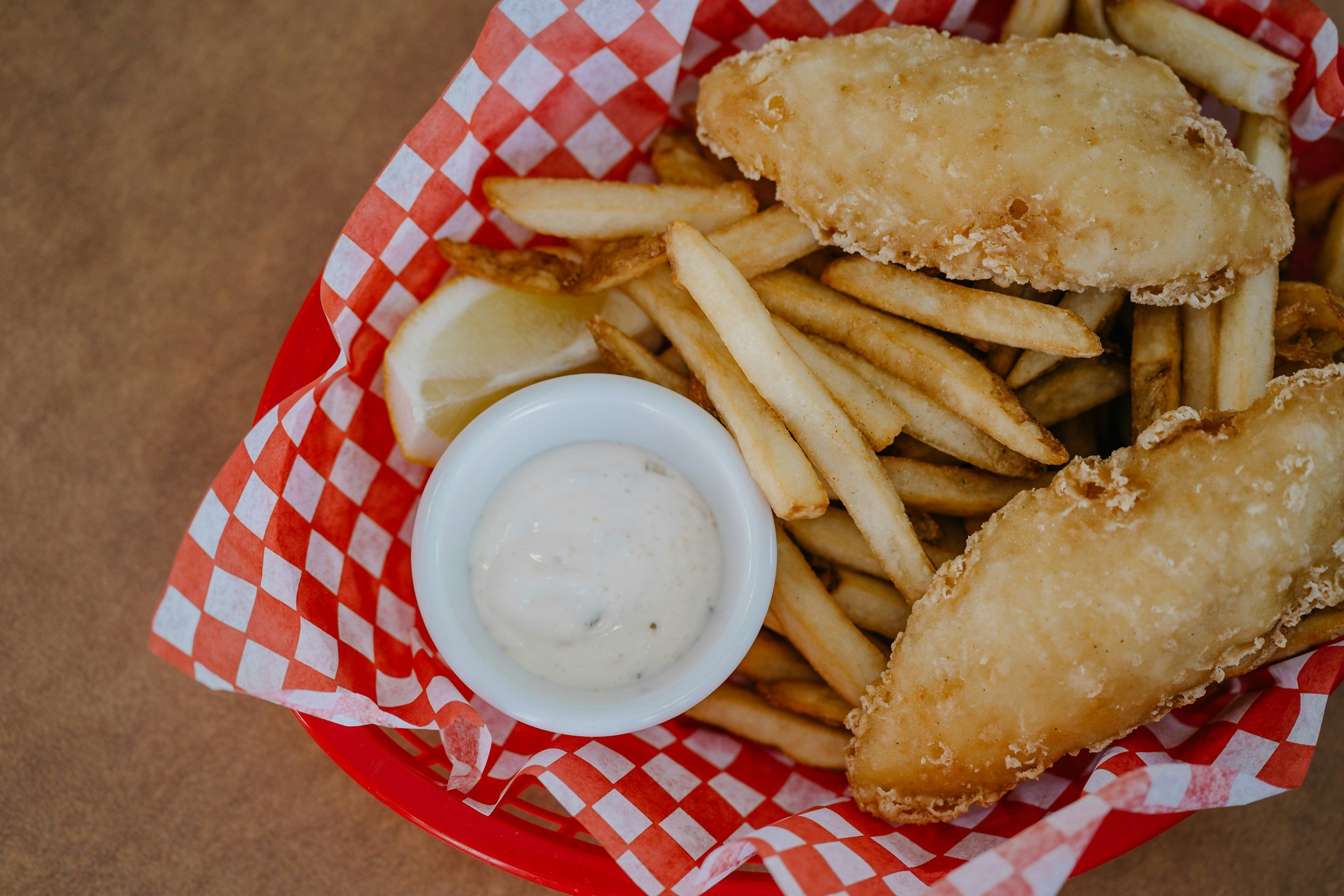
This guide distills the state down to the most iconic, beloved, and atmospheric ones you can actually book a table — organized by region so readers can plan a Friday fish fry close to home or a weekend detour