

How Stone Creek Coffee Builds a Community Hub: Q&A with Founder Eric Resch

Eric Resch with his go-to cortado drink in the Whitefish Bay Stone Creek cafe
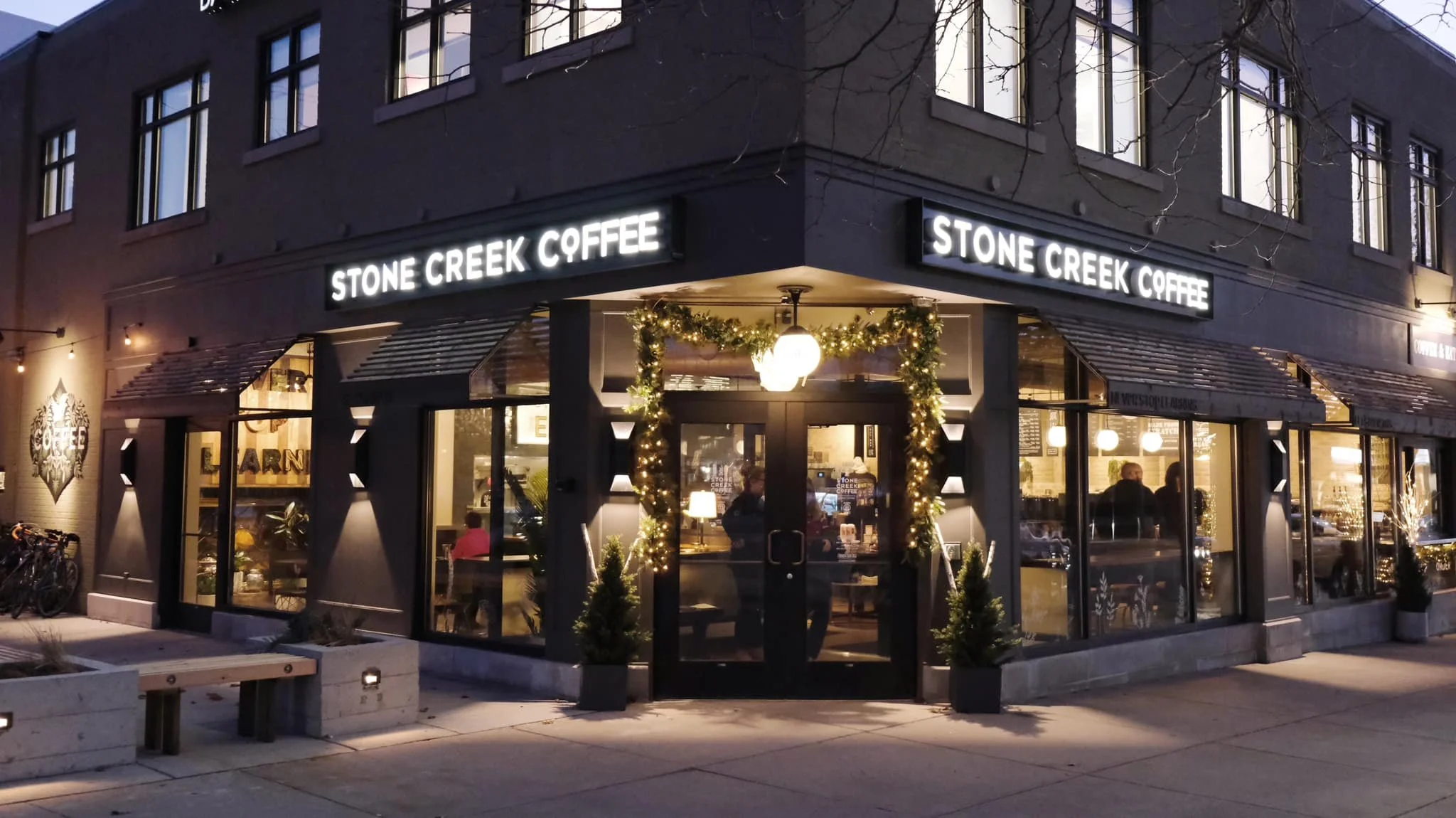
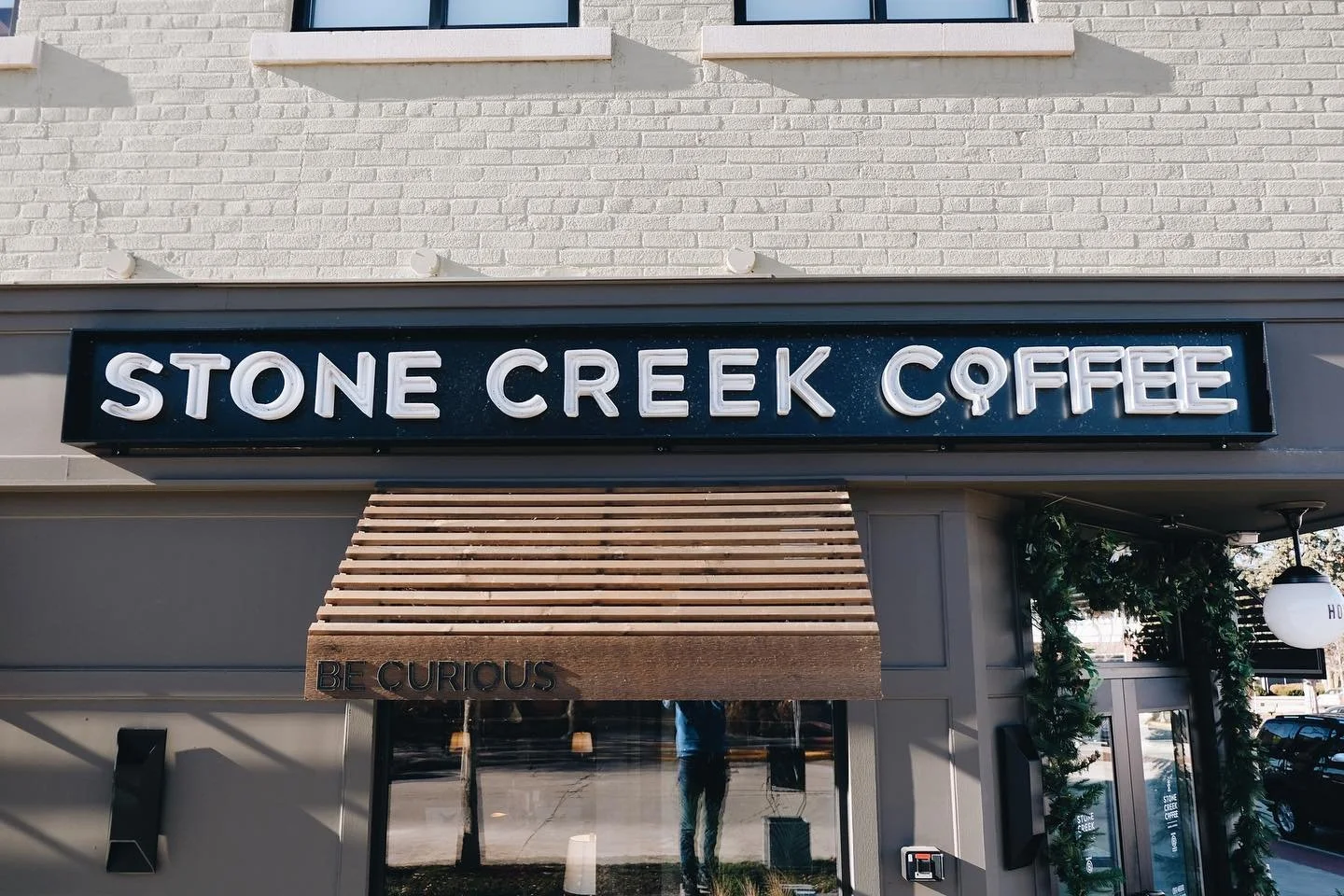
Stone Creek Coffee’s Whitefish Bay café is both a homecoming and a reinvention. In 1993, Stone Creek opened its very first café in Whitefish Bay — the place where it all began. That original location closed during the pandemic, but in 2023 the company returned, reopening just across the street from where it started.
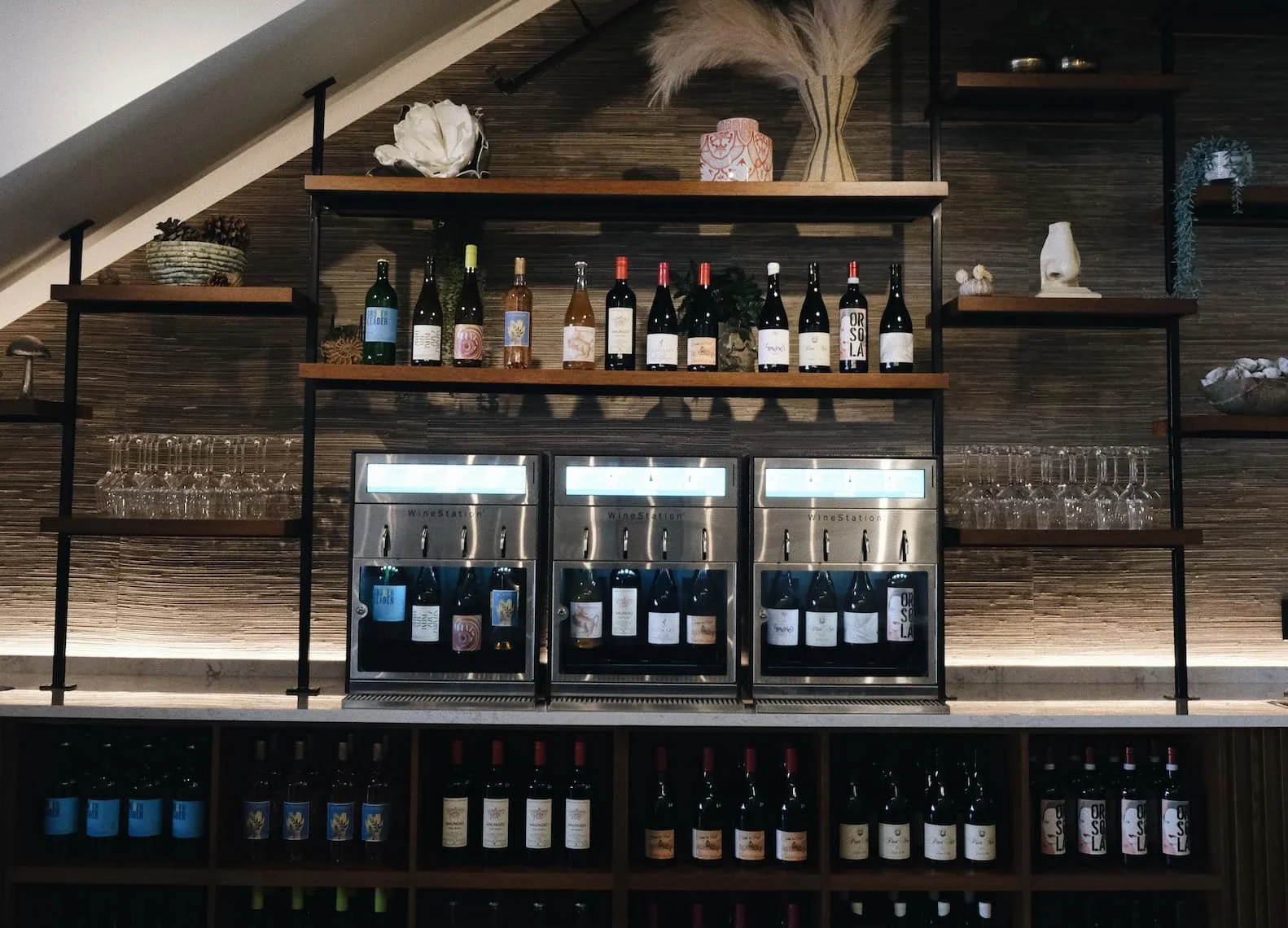
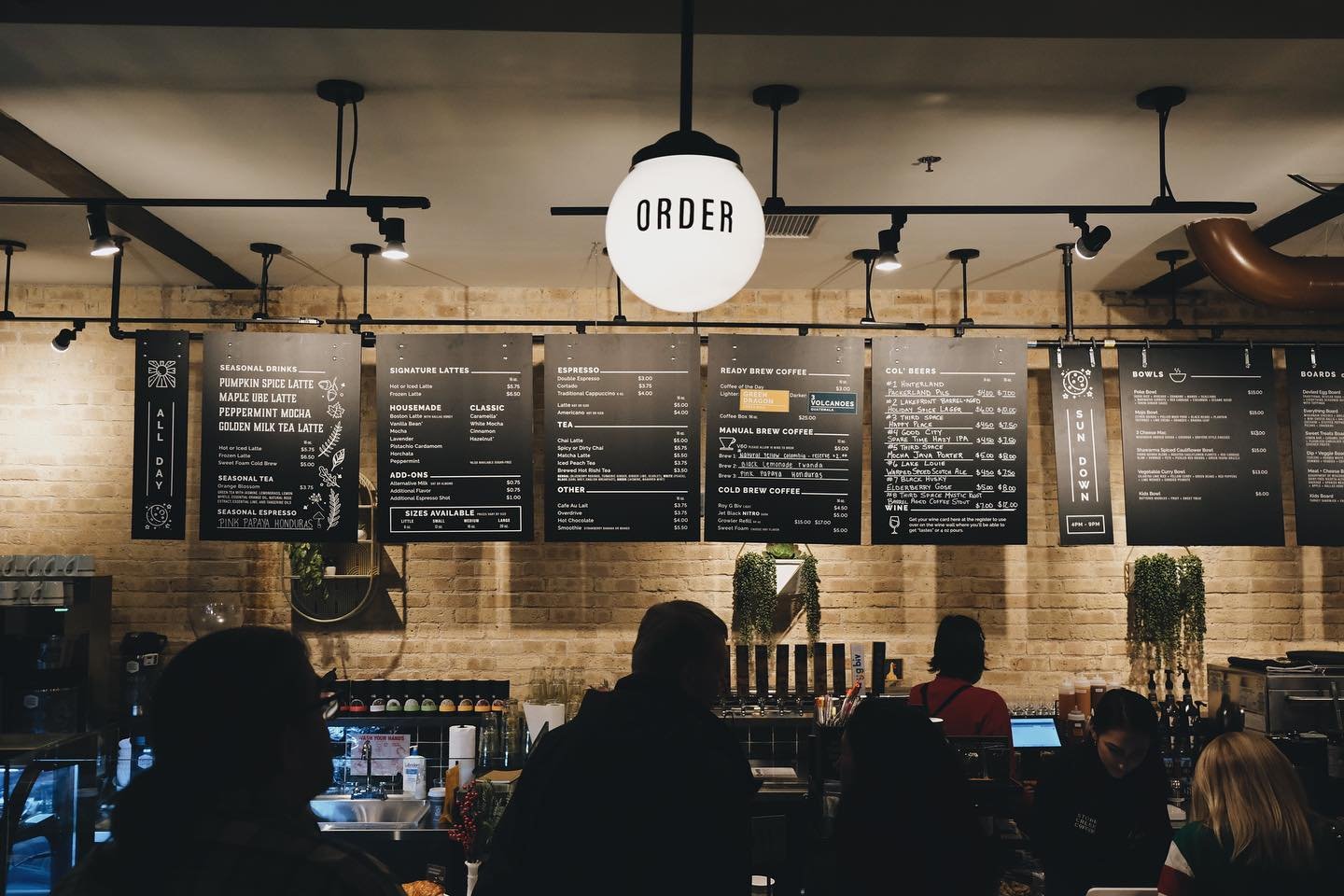
This time, the space is bigger and bolder: a full kitchen serving breakfast and lunch, wine on tap, and a curated selection of local goods alongside Stone Creek’s signature coffee. Sitting across from the evolving Sendik’s site, the café is designed not just for caffeine runs, but as a North Shore coffee destination where neighbors linger, work, meet friends, and keep running into each other.
In this Q&A, founder Eric Resch reflects on why food matters as much as coffee, how Stone Creek designs spaces for community, and why thoughtful details — from biophilic design to a walk-up window for dog walkers — can make a café feel like the heart of a neighborhood.
Q: We’re sitting across from Sendik’s, which is heading into its own next evolution. What do projects like Sendik’s and what you’ve built with your cafe say about Whitefish Bay and the North Shore? Has the neighborhood changed?
Eric Resch: I don’t think the neighborhood has changed. The neighborhood was always here. It’s historic — lots of families, kids going to school, great walking, great biking. That’s always been here.
For us, we opened our first door next door to this site. I love this community because it’s where we kicked off the company. When COVID hit, we shut everything down and then started reopening cafes, but that original location was very small — maybe 15 seats — more of a 700-square-foot, to-go setup.
I always wanted to get back to Whitefish Bay. I live in Whitefish Bay, near Cumberland. And one of the things we learned with our Downer location is that people want food — and food is a critical part of the coffee experience. You won’t deviate too far from your route to get a cup of coffee, but you will deviate pretty far for a great breakfast or brunch with friends, or for a meeting place.
So we learned our cafes are about coffee, of course — but maybe most importantly, they’re about community. And if there’s one thing the North Shore communities have, it’s these lovely, walkable neighborhoods. This concept — 4,000 square feet, great food, in-house, everything made from scratch — had a high probability that the community would love it.
Coming out of COVID, we had PPP money and some restaurant revitalization tax credits. We were fortunate enough to be net positive after COVID, which is kind of crazy. So I decided to invest it here. We spent about $1.7 million to build this location — about half from grant money — and we put in the rest, borrowing some as well.
I believe deeply we’re building community hubs. We’re a coffee company, and coffee is this lovely elixir of connection. And as it relates to Sendik’s: the more community assets we have to serve different needs — grocery, coffee, whatever — the better the place becomes. The more there are, the more people will drive to the community just to hang out.
“The more community assets we have to serve different needs — grocery, coffee, whatever — the better the place becomes. ”
Q: This place really feels like a gathering space — you constantly run into people. Was there a moment when you realized this is becoming the neighborhood hub? Or how do you intentionally create that kind of space?
Eric Resch: It’s part of a broader philosophy at Stone Creek: “We are coffee geeks. We never stop learning. We create remarkable care.”
That last part is important — remarkable care. We interpret “remarkable” literally: someone has to remark. That’s the metric. When somebody comes into this café, we want them to say something about it — the people were lovely, the kids’ play area was amazing, I ran into my neighbors, the patio is warm and cozy.
To do anything, you have to think about it first. How you think about a project — or a vacation with your family, or your career — informs what it becomes. We try to think at a high, unique level so we create remarkable things.
We don’t always hit it. We try things and sometimes we miss, or we misunderstand. After doing this for 32 years, I’ve made hundreds — thousands — of mistakes. Big ones and small ones. But those are learning lessons that inform the next set of decisions.
Q: This café reminds me a bit of Downer but with its own feel. When you built Whitefish Bay, were there specific features you knew you needed?
Eric Resch: When we do a project — a café, or even redoing a homepage — we talk about: Who’s the hero? What are we trying to win on, and what’s foundational?
In a café, there are all kinds of niches — pockets within the space. We try to create what we call “pockets of intimacy.” We use dividers, light, music, plants, furniture, bookshelves — all kinds of elements to create different zones.
““We try to create ‘pockets of intimacy’ — different zones within the café.””
We also lean into biophilic design — rooted in nature. Before we draft anything, we build a project document — for this one it might be 20 pages. Lots of greens, plants, texture. The materials are tactile.
And we try to make each area remarkable in some way. Like this painting — it’s interesting. Why is it here, in that frame? Or lighting — you don’t see some of these fixtures often because they’re hard to find, and you have to get the outlet in the right place (and the electrician always messes it up).
One other thing: we often struggle to find the “thread” we can build from. For this café, that was the tile floor. Once I found the tile, I already had some materials in mind, but once you get a couple big pieces, you can build everything from there — flooring, a specific lighting style, that kind of thing.
Eric Resch’s Café Design Checklist
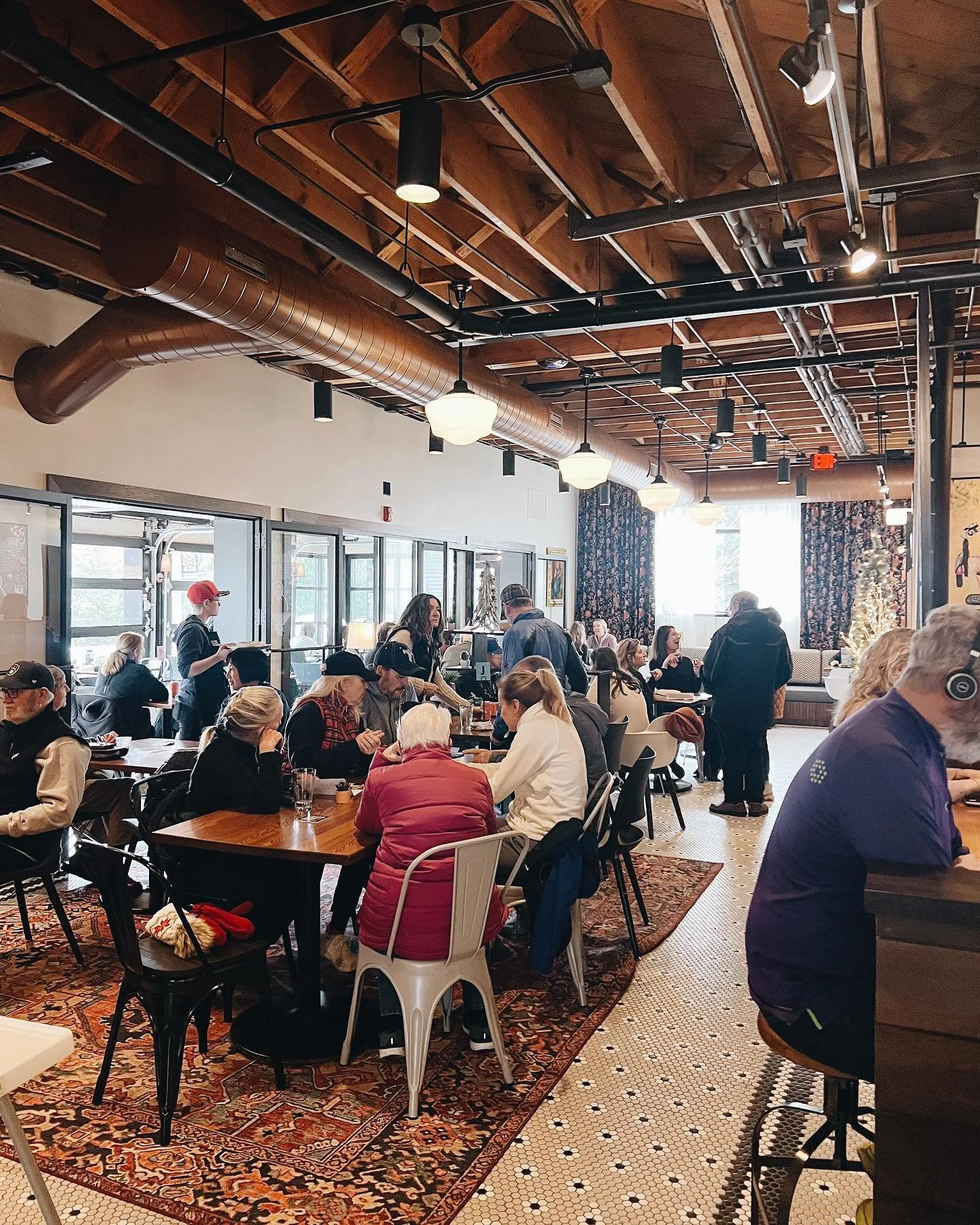

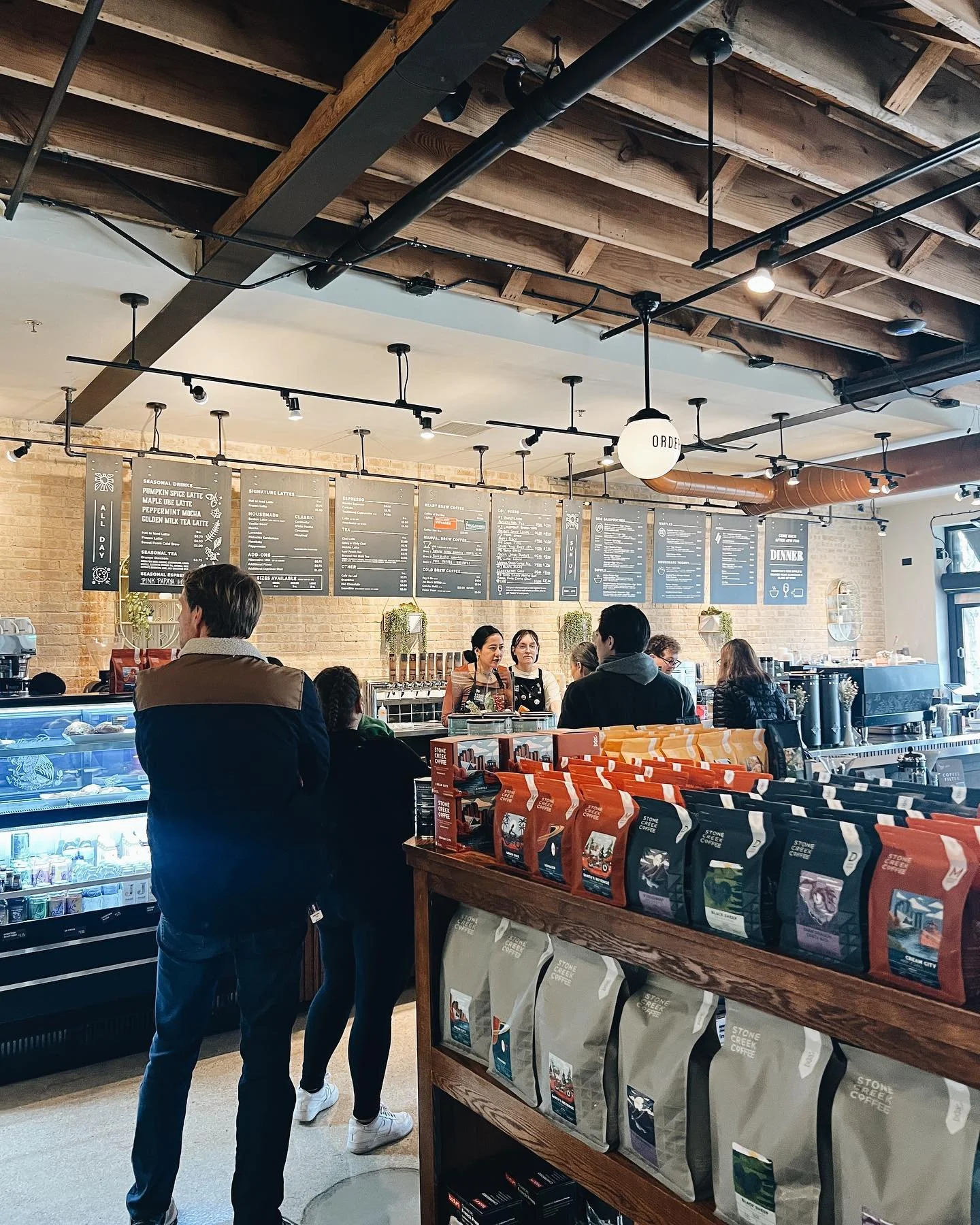
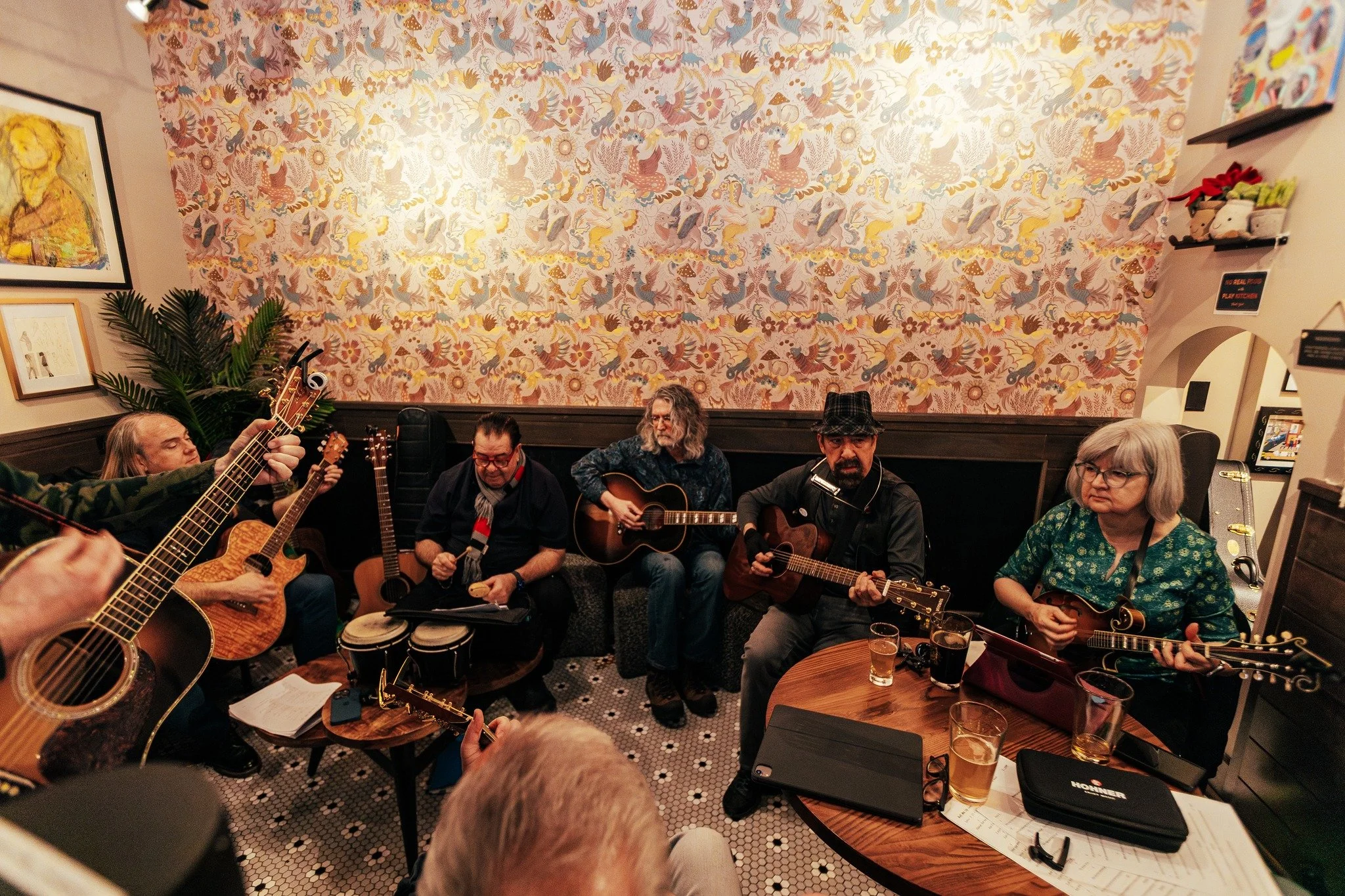
Stone Creek’s guiding idea: Build spaces that create connection. Here’s their approach to design.
1) Start with the “hero”
What’s the signature feature (or features) this location should win on?
2) Build “pockets of intimacy”
Use dividers, lighting, music, plants, furniture, and shelves to create distinct zones.
3) Use biophilic design
Anchor choices in nature: greens, textures, tactile materials, warmth.
4) Make each zone “remarkable”
A piece of art, a lighting fixture, a kids’ area, a cozy patio — something people talk about.
5) Find the thread
Identify the foundational element (like flooring or lighting) that the rest of the design can build from.
6) Design from the customer’s shoes
Observe real-life patterns (dog walkers, parents, commuters) and translate them into physical design
Q: Stone Creek’s “coffee geek” side comes through — especially in your newsletters about origins, brewing, and how-to’s. How do you personally stay connected to the core coffee craft while running the business?
Eric Resch: I started a coffee business because I love coffee, so it’s not hard for me to stay connected to it.
The team that roasts the coffee and buys the coffee reports up to me. I’m involved weekly — daily — in coffee decisions: how we name things, whether we buy this lot or that lot. We have small batch and reserve lines — micro lots that are constantly changing.
That’s what we mean by being coffee geeks who never stop learning. We want to keep teaching ourselves and teaching others about the uniqueness of coffee.
Building a business — like building a rewarding life — is about iteration. Learning and changing. That’s what we do.
Q: The walk-up window is such a smart detail especially for dog walkers. How did that idea come about?
Eric Resch: We put the first one in at the Downer cafe. That one’s been very busy — kind of crazy busy. People love it for walking dogs.
There’s a café I love when I’m in Costa Rica that has a great window. Here, we have winter and rain, so you don’t see walk-up windows as much. People think, “Why do you need that when you can just walk inside?”
But we try to think from the customer’s seat and walk in their shoes. What’s their morning like? Kids, dog, you need coffee. We interpret those patterns into our design. It’s user design in the real world, not just digital.
We saw people walking dogs, tying them up outside. And honestly, there’s something fun about getting something from a business without going inside. So we tried it at Downer, and it was amazing so we built it here too.
Q: Last one. What’s your go-to order when you come into your cafés?
Eric Resch: A cortado. Two ounces of espresso, about two to two-and-a-half ounces of milk. It lasts a little longer than straight espresso, but it’s not heavy milk — it’s the perfect balance.
I love tasting espresso when I’m in the cafés because if we’re pulling clean, good shots, I know everyone else’s drinks are going to be good. It’s a quality control thing.
Making espresso that’s sweet, clean, and juicy — that’s our standard — is not easy. We’re upgrading all our grinders and will spend about $50,000 to $60,000 over the next e8 months because we’ve made it here, and now we want to take another step in consistency and quality.
So yeah — back to iteration. Constantly learning and improving.


This guide distills the state down to the most iconic, beloved, and atmospheric ones you can actually book a table — organized by region so readers can plan a Friday fish fry close to home or a weekend detour