

Dog-friendly hiking in Wisconsin: the definitive trail guide
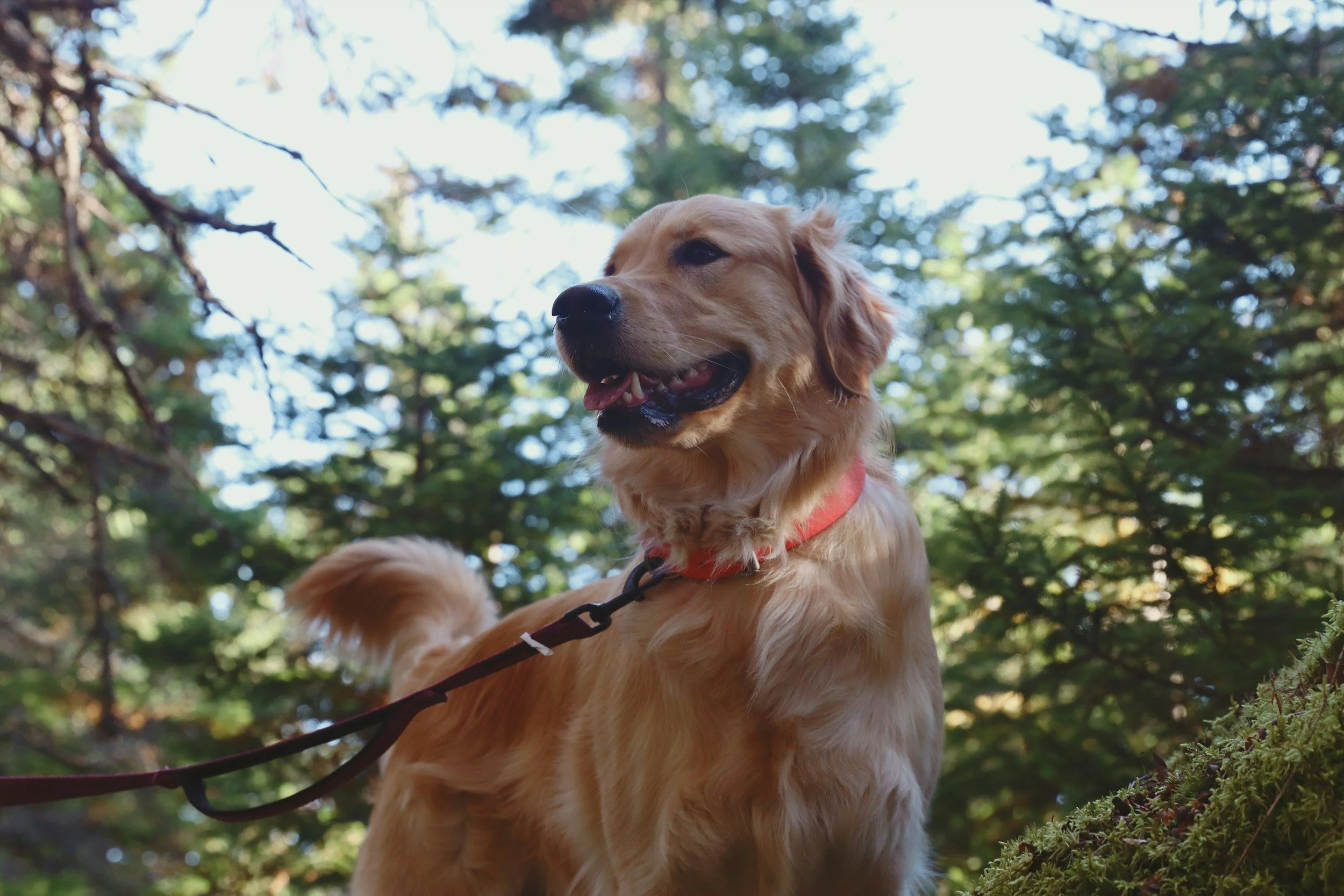
Wisconsin is an excellent place to hike with a dog—but “dog-friendly” does not mean the same thing everywhere.
Most Wisconsin state-park trails welcome dogs on physical leashes no longer than eight feet. County parks, nature preserves, national forests and individual Ice Age Trail segments may follow different rules. Beaches, nature trails, observation towers and groomed ski trails often have additional restrictions.
This guide highlights some of Wisconsin’s best dog-friendly hikes, pet-swimming areas and off-leash trail systems while helping you avoid the places where dogs are prohibited.
For more outdoor inspiration, explore our guide to Wisconsin’s best state parks, complete Wisconsin waterfall guide and guide to the Ice Age Trail.
Find a Wisconsin Hike for Your Dog
Search by park or community, filter by adventure type or let the map choose your next outing.
Before You Go: Wisconsin’s Trail Rules
At properties in the Wisconsin State Park System, pets must remain under control on a physical leash no longer than eight feet. Electronic collars do not count as leashes.
Dogs are generally welcome on designated hiking trails, roads and in most campgrounds. Unless an area is specifically designated for pets, dogs are typically prohibited from:
Buildings and observation towers
Swimming beaches
Playgrounds
Amphitheaters
Picnic shelters and general picnic areas
Designated nature trails
Groomed cross-country ski trails
Pet restrictions can differ from one property to another, so check the official park page and trail map before leaving home.
Most Wisconsin state parks, forests and recreation areas also require a vehicle admission pass. Current rates are $28 for a 12-month pass or $13 for a daily pass for vehicles with Wisconsin plates. Out-of-state vehicles pay $50 for a 12-month pass or $16 for a daily pass. Twelve-month passes are valid for 12 months from purchase rather than expiring at the end of the calendar year.
Best Dog-Friendly Hikes Near Milwaukee
Lion’s Den Gorge Nature Preserve
Lion’s Den Gorge Nature Preserve is one of the Milwaukee area’s most dramatic hikes. The 73-acre Ozaukee County preserve protects wetlands, forest, a deep gorge and more than half a mile of bluffs rising roughly 90 to 100 feet above Lake Michigan.
Boardwalks and relatively level bluff-top paths make much of the preserve approachable for families. A long staircase descends through the gorge to the shoreline, but there is no accessible route to the beach.
Leashed dogs are welcome, and admission and parking are free. Stay behind barriers near the unstable bluff edges and check the preserve’s hunting notices before a fall visit.
Lapham Peak
The Lapham Peak Unit of the Kettle Moraine State Forest contains more than 17 miles of loop trails with terrain ranging from gentle paved paths to hilly forest routes.
A 45-foot observation tower stands at the highest point in Waukesha County, 1,233 feet above sea level. Dogs may hike on designated pet-friendly trails but cannot enter the tower. Pets, hikers and snowshoers must also remain off cross-country ski trails when those trails are snow-covered.
For a longer Wisconsin hiking adventure, approximately four miles of the Ice Age Trail pass through the property.
Nashotah Park
Nashotah Park combines wooded, on-leash walking trails with one of Waukesha County’s four fully fenced dog exercise areas.
This is an especially useful choice when you want to begin or finish a hike with some off-leash play. Dogs must use a leash no longer than six feet outside the designated exercise area.
Minooka Park
Minooka Park offers hiking through woods, meadows and rolling terrain, plus a fenced dog exercise area.
Minooka is also one of Waukesha County’s designated dog-swimming destinations. Follow posted boundaries carefully: off-leash access is limited to the designated dog exercise and dog swim areas.
Seven Bridges and the Oak Leaf Trail
The Seven Bridges area of Grant Park provides one of Milwaukee County’s most atmospheric walks, passing through a wooded ravine before reaching Lake Michigan. Dogs must remain leashed in the general park and are not permitted in areas where signs prohibit pets.
Milwaukee County’s Oak Leaf Trail now spans more than 135 miles. Its paved branches are ideal for dogs that prefer predictable surfaces, but some stretches follow parkways or municipal streets and may involve traffic crossings.
Our Milwaukee-area hiking guide can help you find additional family-friendly routes.
Mequon Nature Preserve
Mequon Nature Preserve offers more than six miles of paths through restored prairie, wetlands and forest. Trails are free and open daily from sunrise to sunset throughout the year.
Leashed dogs are welcome. The mostly broad, gentle trails make this a good choice for older dogs, new hikers and families seeking a quieter outing.
Kettle Moraine Adventures
Southern Unit
The Southern Unit of the Kettle Moraine State Forest covers more than 22,000 acres of glacial hills, forests, prairie and kettle lakes.
Dog-friendly choices include portions of the Scuppernong system and the Ice Age Trail. Pets must remain on physical leashes no longer than eight feet and are not allowed on the Paradise Springs or Scuppernong Springs nature trails.
The Southern Unit maintains designated pet-swimming areas at Ottawa Lake, on the left side of the boat launch, and Rice Lake, on the right side of the boat launch.
Northern Unit
The Northern Unit extends through parts of Sheboygan, Fond du Lac and Washington counties. The Zillmer and Parnell trail systems provide memorable forest and glacial-landscape hikes, but pet owners need to pay close attention to seasonal trail designations.
Dogs are prohibited from groomed ski trails when snow-covered. Some designated nature trails also prohibit pets, including Spruce Lake Bog and Long Lake Summit.
The unit provides designated pet picnic areas at Mauthe Lake and Long Lake. It also has designated dog-training grounds, but these are regulated training spaces—not general-purpose off-leash dog parks.
Harrington Beach State Park
Harrington Beach State Park pairs easy trails with more than a mile of Lake Michigan shoreline.
The one-mile Quarry Lake Trail circles a 26-acre former limestone quarry and has a flat, crushed-limestone surface that the DNR classifies as universally accessible. Leashed pets are permitted on this trail.
Dogs are not allowed on the White Cedar Nature Trail or the park’s general swimming beach. A designated pet picnic and swim area is available at the south beach.
Outstanding State-Park Hikes for Dogs
Devil’s Lake State Park
Devil’s Lake State Park offers nearly 30 miles of hiking trails beneath and above 500-foot quartzite bluffs.
The East Bluff Trail is spectacular but strenuous, with steep stone steps, exposed rock and crowded viewpoints. Consider your dog’s fitness, paw condition and comfort around strangers before attempting it.
For an easier outing, the paved Tumbled Rocks Trail follows the lake’s western shoreline beneath the bluffs.
Devil’s Lake has an on-leash pet swim area near the north shore boat launch and an off-leash pet swim area near the south shore boat launch. A pet picnic area is also available near the East Bluff trailhead.
Dogs are completely prohibited at nearby Parfrey’s Glen State Natural Area. Do not bring a dog expecting to leave it unattended in a vehicle while visiting.
Governor Dodge State Park
Governor Dodge State Park protects more than 5,000 acres of Driftless Area hills, valleys, lakes and sandstone formations.
Lost Canyon Trail is a rewarding forest hike through the park’s rugged interior. The shorter Stephens Falls route provides a more manageable walk to the waterfall, although stairs and wet surfaces can be challenging for some dogs.
A designated pet swim area and pet picnic area sit next to the Cox Hollow swimming beach.
Potawatomi State Park
Potawatomi State Park is a quieter Door County alternative to Peninsula State Park and marks the eastern terminus of the Ice Age Trail.
The park offers approximately nine miles of named hiking trails through forest and along the Sturgeon Bay shoreline. Read our complete Potawatomi State Park guide before planning your route.
Peninsula State Park
Dogs are permitted on many Peninsula State Park hiking trails, including the rugged Eagle Trail, unless signs state otherwise.
Pets are prohibited at Nicolet Beach, on playgrounds, in buildings and on Eagle Tower and its accessible ramp. A designated pet picnic area is available in the Pines area near Nicolet Beach.
Eagle Trail includes steep, rocky terrain along the base of dolostone bluffs. It is better suited to agile dogs accustomed to uneven trails than puppies, senior dogs or dogs with joint problems.
For more choices throughout the peninsula, see our Dog-Friendly Door County guide and complete Door County hiking guide.
Mirror Lake State Park
Mirror Lake State Park provides a quieter alternative near Wisconsin Dells, with wooded trails above a narrow lake bordered by sandstone cliffs.
Check individual trail designations before hiking because pets are prohibited on designated nature trails and groomed ski trails. The park is especially appealing in fall, when the sheltered water reflects the surrounding forest.
Pattison State Park
Pattison State Park is home to 165-foot Big Manitou Falls, Wisconsin’s tallest waterfall, and 31-foot Twin Little Manitou Falls.
Leashed dogs can accompany hikers in permitted trail and viewing areas. Small designated pet picnic areas are available near Big Falls, Little Falls and the main picnic area. Dogs may not enter the general swimming beach.
Amnicon Falls State Park
Amnicon Falls State Park packs a series of waterfalls, rapids, a covered footbridge and roughly two miles of trails into a compact property.
The rocks near the river can be slippery, and currents around waterfalls are dangerous. Keep dogs on the trail and away from unprotected edges and rushing water.
Copper Falls State Park
Copper Falls is beautiful, but it is not the best choice for seeing Wisconsin’s signature waterfalls with a dog.
Dogs are prohibited from the Doughboys Nature Trail, the 1.7-mile loop leading to Copper and Brownstone falls. The DNR states that there is no alternative trail from which visitors can view those waterfalls with a pet.
Dogs are permitted on the Red Granite Falls Trail and on the Takesson and Vahtera trails when those routes are not groomed for skiing. Our complete Copper Falls State Park guide can help you decide whether the park works for your group.
Hiking the Ice Age Trail With a Dog
Dogs are welcome on much—but not all—of the approximately 1,200-mile Ice Age National Scenic Trail.
The Ice Age Trail crosses state parks, wildlife areas, county properties, municipal land and private property. Rules can change as the trail passes from one land manager to another. The Ice Age Trail Alliance recommends keeping dogs leashed and under control, with an eight-foot maximum as the general guideline.
Before every hike:
Check the Ice Age Trail’s online map and current trail alerts.
Review the applicable segment description.
Obey posted rules at the trailhead.
Never allow a dog to leave the trail on private property.
Check for temporary hunting-season closures.
Dogs are prohibited at Parfrey’s Glen and on several other trail sections. Do not rely on an older online list because land access and restrictions can change.
Good starting points include dog-permitted portions of the Lapham Peak, Monches, Holy Hill, Table Bluff and Straight Lake segments. Conditions and seasonal restrictions should be confirmed before each visit.
Off-Leash Parks With Real Trails
Katherine Kearney Carpenter Park
Katherine Kearney Carpenter Park in Mequon is a 35-acre leash-free park with meadow and woodland paths. Because the property is not designed like a small neighborhood dog run, dogs need reliable recall and handlers must remain attentive near its boundaries.
Granville Dog Exercise Area
Granville Dog Exercise Area covers 10 acres of hilly grassland, native plantings, wooded trails and Menomonee River access.
The area is not completely fenced, so Milwaukee County recommends it for handlers who have strong voice control over their dogs. A Milwaukee County dog-park pass is required.
Currie Dog Exercise Area
Currie’s dog exercise area provides a large off-leash space within a broader Milwaukee County park. Because the surrounding Oak Leaf Trail and general park are not part of the off-leash area, attach the leash before leaving the designated boundaries.
Mukwonago Park
Mukwonago Park combines a substantial dog exercise area with regular on-leash hiking, camping and other park recreation.
Waukesha County requires a daily permit or annual membership for vehicles entering fee-based parks.
Richard Bong State Recreation Area
Richard Bong State Recreation Area has more than 4,500 acres of prairie, wetland and former airfield terrain.
The property includes a special-use zone for training hunting dogs to retrieve, point, flush or track game. This is a regulated dog-training area rather than an ordinary recreational dog park. A license is required when live birds or ammunition are used.
Ticks, Blue-Green Algae and Hunting Season
Tick Protection
Wisconsin’s blacklegged ticks can transmit Lyme disease and other illnesses. Ticks can be active whenever temperatures are above freezing, so prevention should not be limited to summer.
Talk with your veterinarian about an appropriate tick preventive and whether Lyme vaccination makes sense for your dog. After every hike, inspect the ears, eyelids, collar area, legs, belly, tail and spaces between the toes.
Remove attached ticks promptly with fine-tipped tweezers or a tick-removal tool. Contact your veterinarian if your dog develops lethargy, fever, swollen joints, limping or loss of appetite.
Blue-Green Algae
Potentially toxic cyanobacteria can develop in Wisconsin lakes, ponds and slow-moving water, particularly during warm weather.
Avoid water that resembles pea soup, spilled paint, surface scum or floating green flakes. Do not allow dogs to drink from or swim in suspicious water. Wisconsin DNR’s advice is simple: when in doubt, stay out.
If exposure occurs, prevent the dog from licking its coat, rinse it with clean water if you can do so safely and contact a veterinarian immediately.
Hunting Season
Many state forests, wildlife areas, Ice Age Trail properties and county preserves permit hunting.
Wisconsin’s 2026 statewide gun deer season runs Nov. 21–29. Archery and crossbow deer season begins Sept. 12 and continues into January, with extended dates in some areas.
Wear blaze orange or fluorescent pink and outfit your dog with a high-visibility vest. Check the Ice Age Trail hunting-closure information and the property’s hunting map before leaving home.
On DNR-managed lands, dogs generally may not run free from April 15 through July 31 and must be on a leash no longer than eight feet unless a specific dog-training exception applies.
What to Pack for a Dog-Friendly Hike
Bring:
A physical leash that satisfies the property’s length limit
More water than you expect to need
A collapsible bowl
Waste bags
Tick-removal tools
A basic canine first-aid kit
A towel for muddy paws
A high-visibility dog vest during hunting seasons
Paw protection for sharp rock, ice or hot surfaces
A photo or digital copy of vaccination records for longer trips
Do not assume a stream or lake is safe drinking water. Carry enough clean water for both your dog and your family.
Choosing the Right Wisconsin Dog Hike
For a first outing near Milwaukee, try Mequon Nature Preserve, the Oak Leaf Trail or the bluff-top paths at Lion’s Den Gorge.
For hills and glacial scenery, choose Lapham Peak or a permitted Kettle Moraine segment of the Ice Age Trail.
For Lake Michigan access, Harrington Beach’s designated south-beach pet area is one of the strongest choices.
For a major state-park adventure, Devil’s Lake offers the most variety—but it also brings crowds, steep terrain and several restricted areas.
For off-leash trail time, consider Katherine Kearney Carpenter Park, Granville or one of Waukesha County’s fenced exercise areas.
Whatever destination you choose, check the official property page before every visit. Trail conditions, hunting activity, water quality and pet restrictions can change faster than a general guide can be updated.

There are restaurants, museums, shops, parks and places to stay throughout the off-season. The biggest change is that seasonal attractions begin closing in October, some businesses finish their season in early November, and many year-round businesses switch to shorter hours or fewer days.