Once It's Gone, It's Gone: Why We Need to Save Armory Park
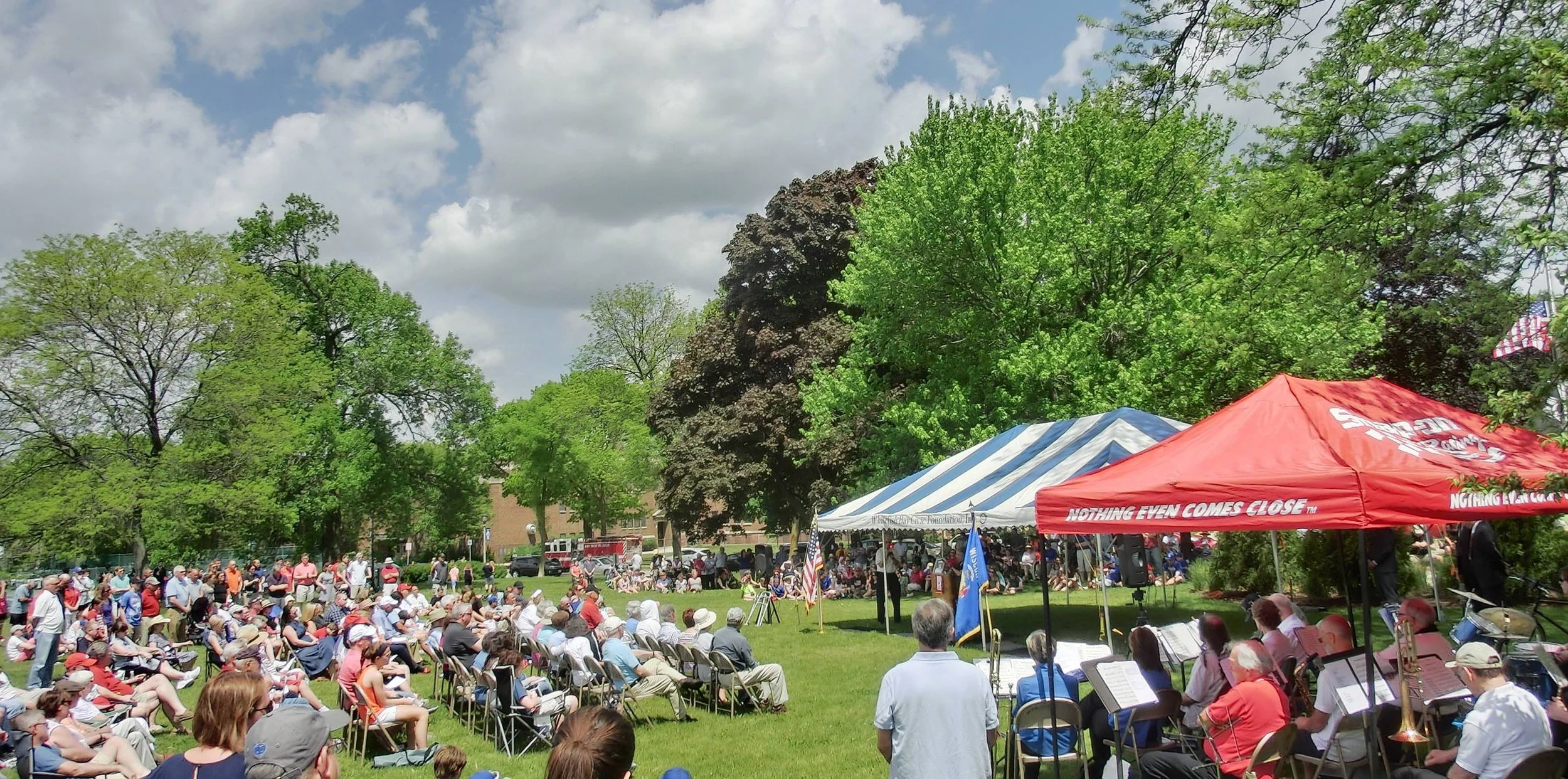
Armory Park, the proposed site to be paved over to build a new middle school building
There is a rhythm to Armory Park that most Whitefish Bay families have seen unfold over the season.
In the spring, T-ball games and kids learning to throw and catch.
In the summer, families spreading out on the grass, people climbing the old-growth trees or stringing up hammocks in the shade.
In the fall, the familiar energy of turkey bowls and lacrosse and soccer practices.
In the winter, snowball fights, forts and building snowmen.
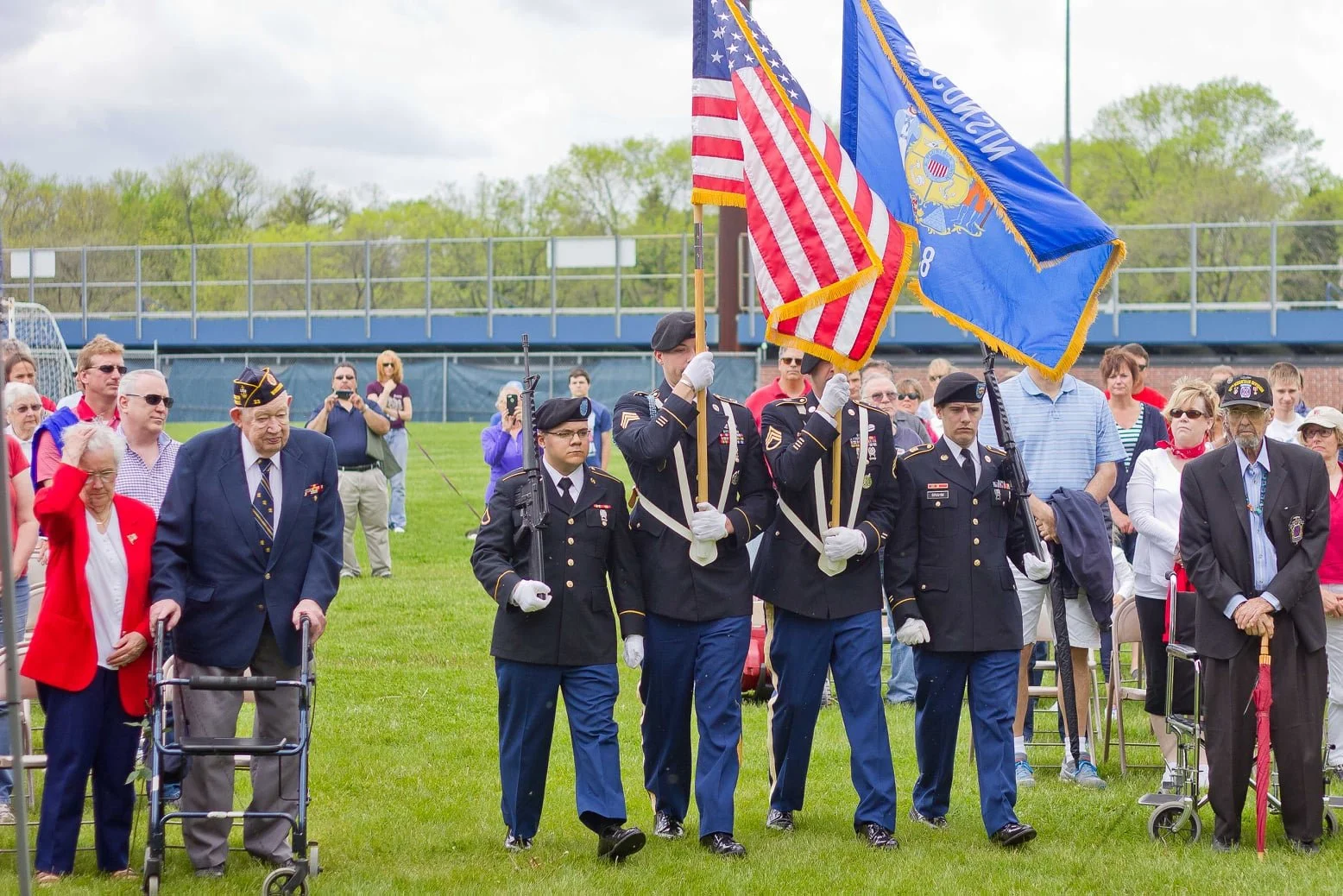
And each Memorial Day, neighbors gathering together for a Memorial Day ceremony that reminds us all of the deeper meaning of that space.
That is exactly why so many residents are raising serious concerns about the proposed $135.6 million school referendum — a plan that would build a new middle school directly on this site, eliminating Armory Park permanently.
A Space That Belongs to Everyone


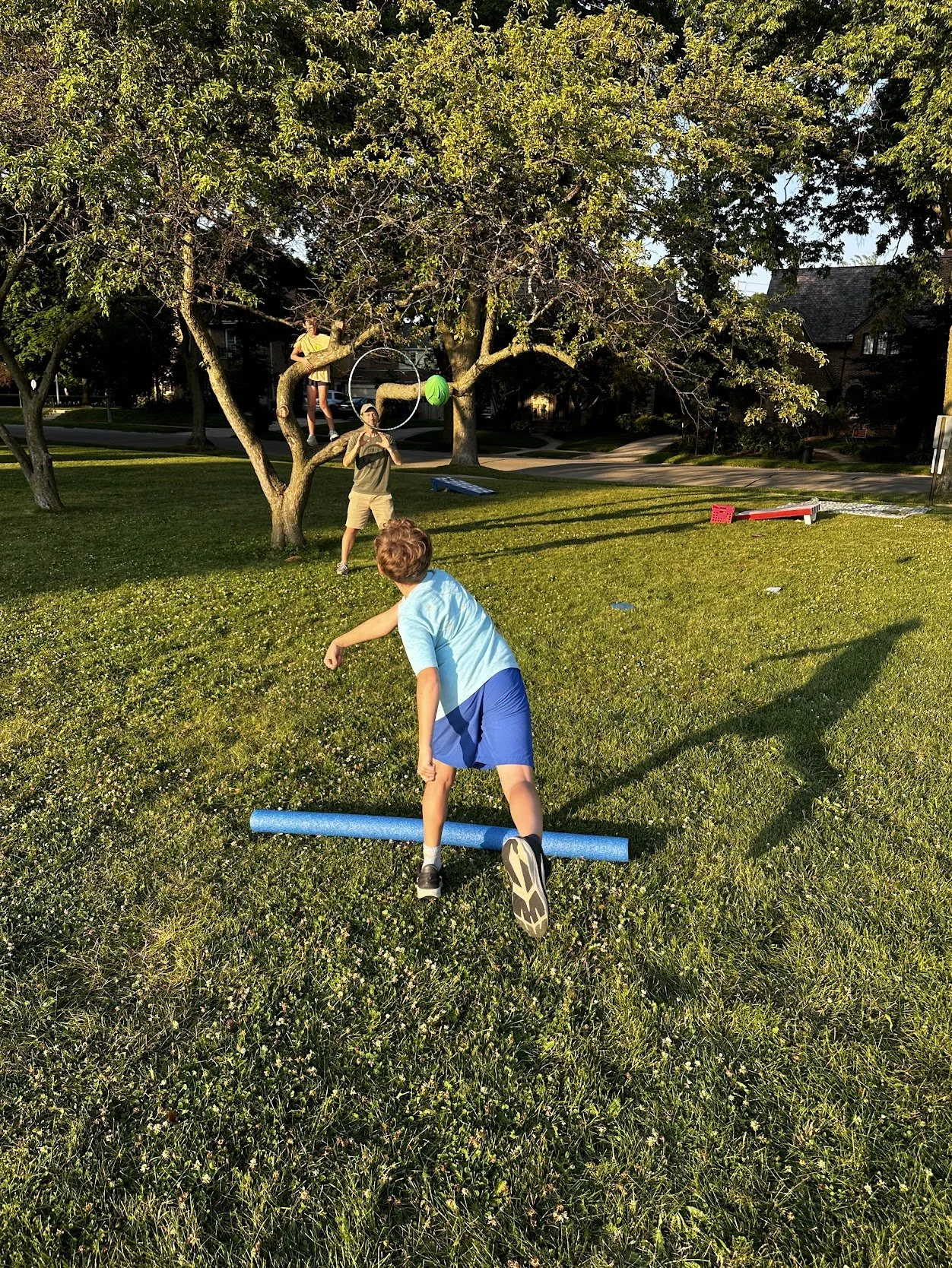
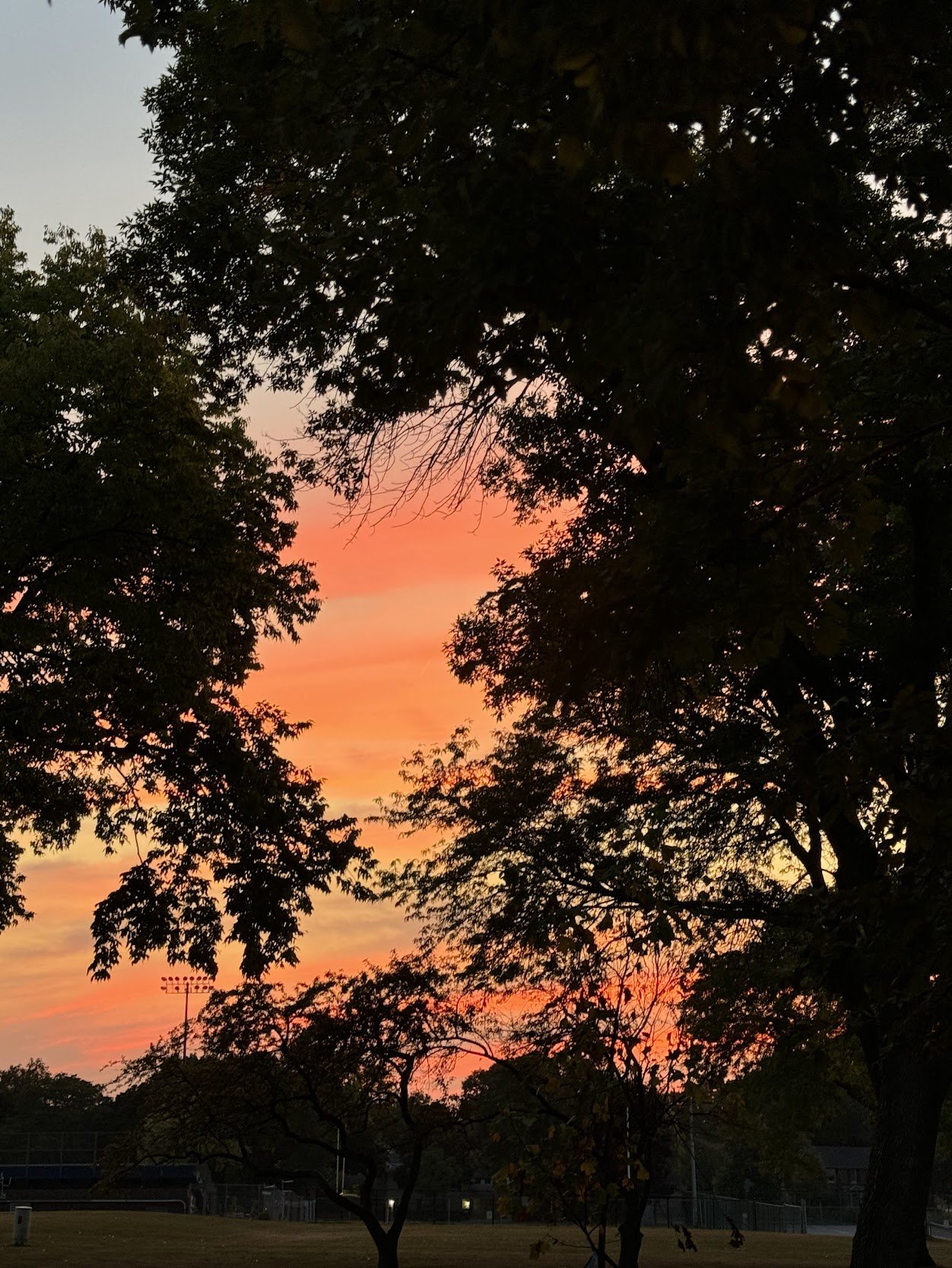

In a small, landlocked community like ours where room to breathe is limited, this green space is something truly precious. It belongs not to the houses around it, but to the entire community. It is one of the few places where generations overlap naturally: parents playing catch with their children, teenagers practicing, younger kids simply running freely.
Residents have been clear about what this space means to them, and have added their voice to why we need to save Armory Park. Here a just a few.
"Armory Park is one of the few pure green space parks left in the North Shore and paving it over would be a crime and a shame," said Ian Gabik. "I want to be able to take my future children to play in Armory Park."
Stephanie Schultz put it simply: "I love walking by Armory Park and seeing kids and teens playing soccer there, friends playing frisbee and the beautiful trees. I chose WFB over our neighboring villages for its green space and easy walkability."
As Betsie Berrien said: "With severely limited green spaces available within our Village, I think it would be unwise to eliminate one of the few remaining large parcels."
For Matthew Krueger, the park is an anchor. "Armory Park — with its memorial, trees, and green space — has provided an anchoring space to our neighborhood. I support improving our school buildings, but we should choose an option that does not sacrifice Armory Park."
The Memorial
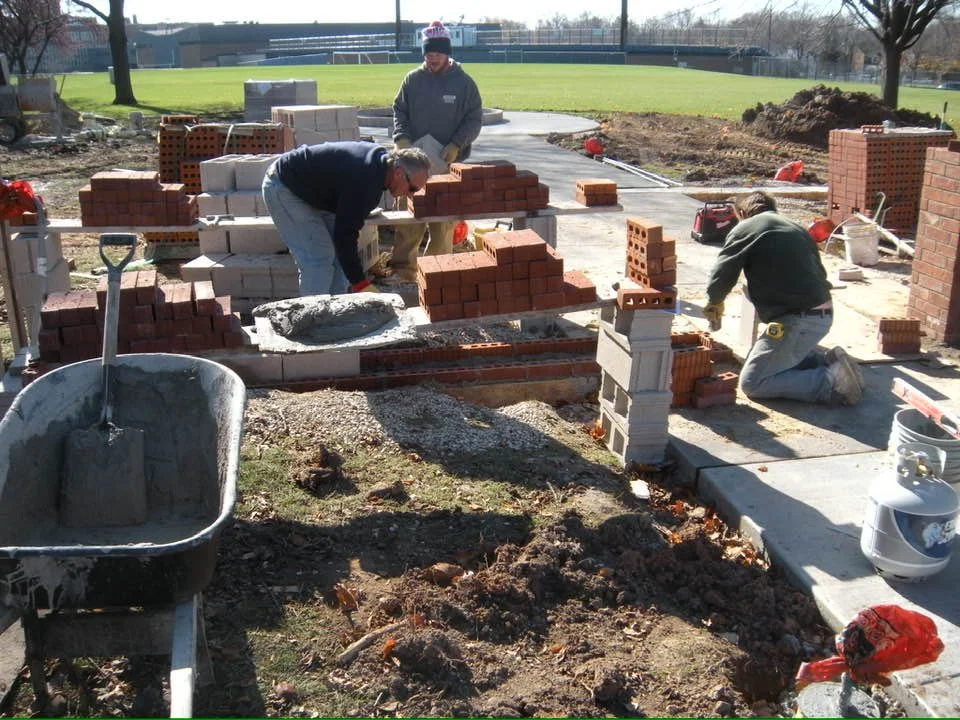
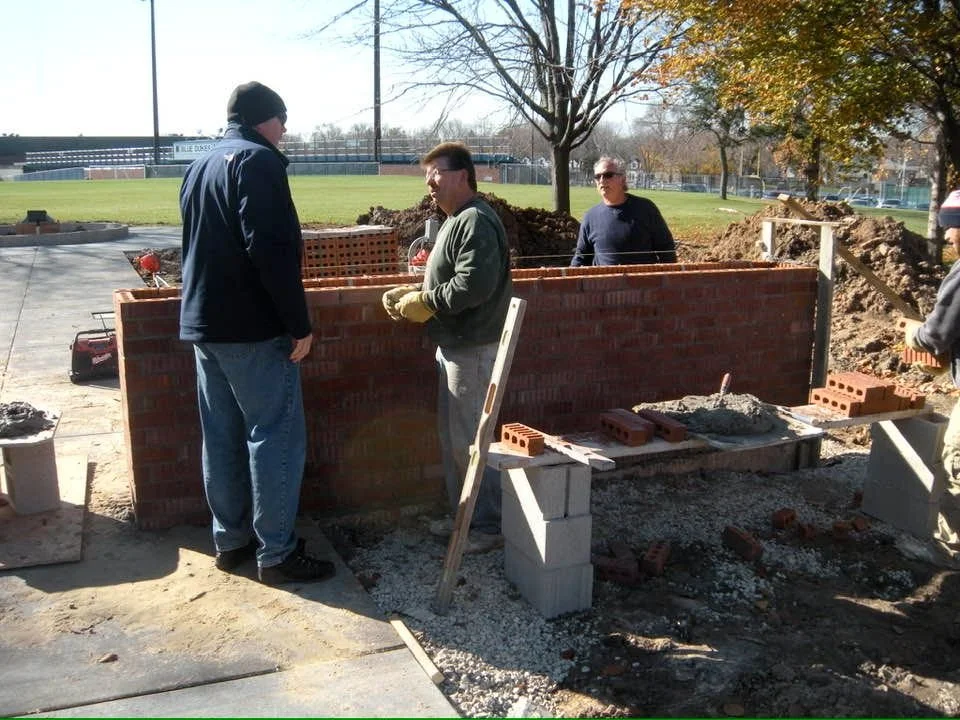
The Armory Memorial being built by volunteers, with 400 community donations
Beyond the green space, Armory Park holds a deeper significance that many residents feel is being overlooked in this conversation.
Each Memorial Day, scouts, families, and veterans gather here for a ceremony that has become one of the quiet but meaningful traditions of village life.
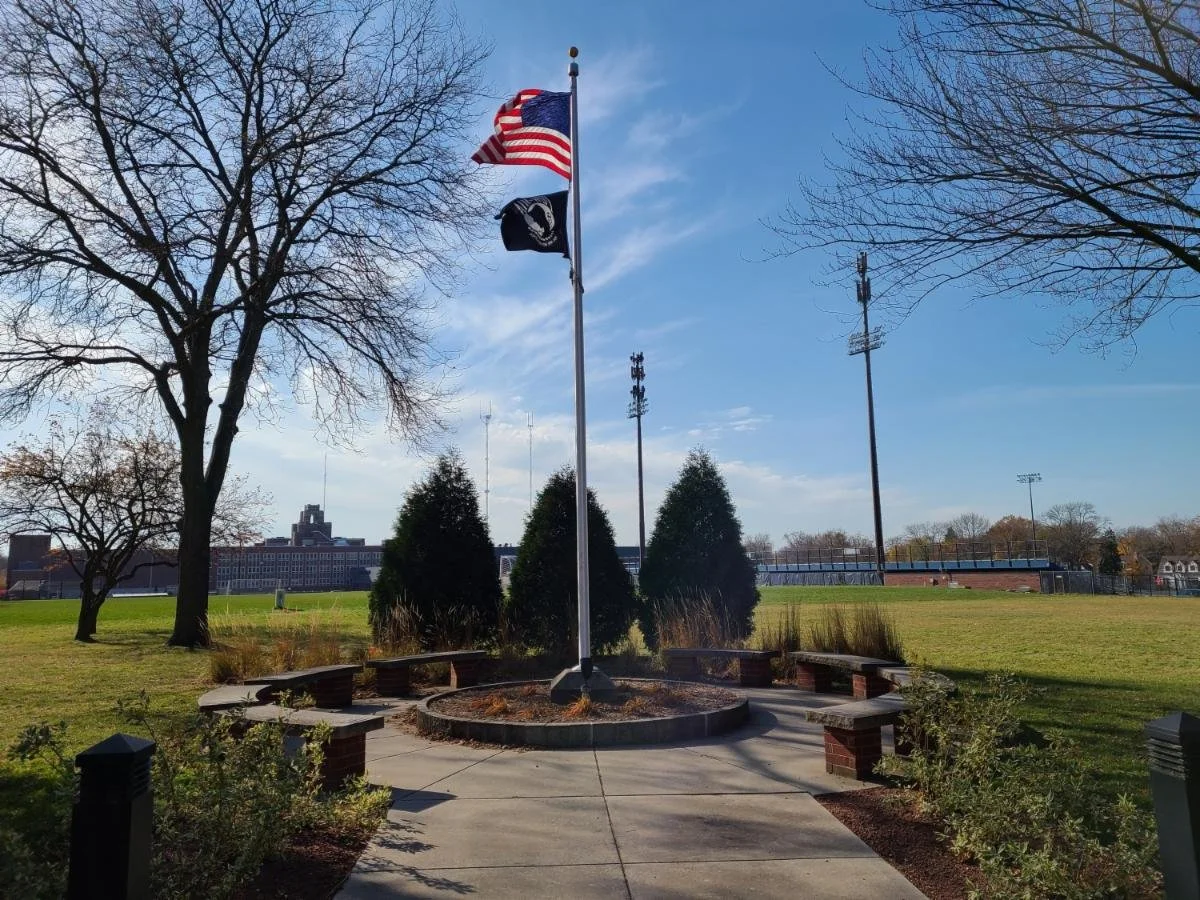
Today, the park is home to 56 plaques from families that honor veterans, many who have given the ultimate sacrifice. In 2020, the Whitefish Bay Civic Foundation donated a $10,000 grant to further beautify the space, calling it "a wonderful location in our Village to recognize their service." To demolish this memorial just six years later sends the wrong message about our values as a village.
Lawrence Abbott, whose son distributes flyers at the ceremony as a member of a local Scouting America troop, said: "The park is very special in that regard."
"This is hallowed grounds," said James Gomez. "Don't ruin it."
Joy Svoboda was equally direct: "Besides the huge $$$ I object to the idea of tearing up the Armory. It's disrespectful and unAmerican."
Susan Moss said: "The green space and historical significance of the Armory shouldn't be erased."
Andrew B. added: "The removal of a park that honors our veterans is a major oversight, and the fact that this piece of property is even up for debate should give us all pause."
This Is Not Anti-School. This Is Pro-Community.
To be very clear: this community believes deeply in strong schools and in providing the best possible education for our children. This is not a question of whether our community should invest in its students — it absolutely should.
But for today’s kids and future generations, the permanent loss of a space that cannot be replaced once it is gone.
Building a new middle school on this site would completely change the character of this part of the neighborhood. It would transform what so many of us chose when we purchased our homes into something almost unrecognizable. While we understand that change is sometimes necessary, this particular change would come at the cost of one of the last meaningful green spaces in our village.
Cate Olson echoed that concern: "More consideration needs to be given to creatively utilizing existing classroom space at Lydell before destroying a war memorial and precious green space."
Gretchen Augustyn offered a broader perspective: "It is hard to believe that in 2026 we would be considering filling one of the last open park areas in our village. Other cities are building underground buildings so they can keep their grass on top and we might fill ours up with a new building at a huge cost for decades — without even seeing renderings. Let's pump the brakes."
The Stakes Are Permanent
The games, the ceremonies, the unstructured play, the simple visual openness that gives this neighborhood its sense of calm — these are not things that can be relocated or rebuilt elsewhere.
Once this space is gone, it is gone forever.
We are asking for thoughtful consideration of whether this particular plan truly serves the long-term character, financial health, and communal life of our village. The community deserves to see full renderings, a complete accounting of alternatives, and a genuine exploration of every option before a decision of this magnitude is made.
Paving over Armory Park would be a permanent loss. This space belongs to all of Whitefish Bay — families, longtime residents, and generations to come.
Join the conversation. Visit Save Armory Park to learn more and sign the petition.
The Save Armory Park Committee is a grassroots community organization of Whitefish Bay residents.