

Window Trim Repair, Carpentry & Painting Contractors in Greater Milwaukee
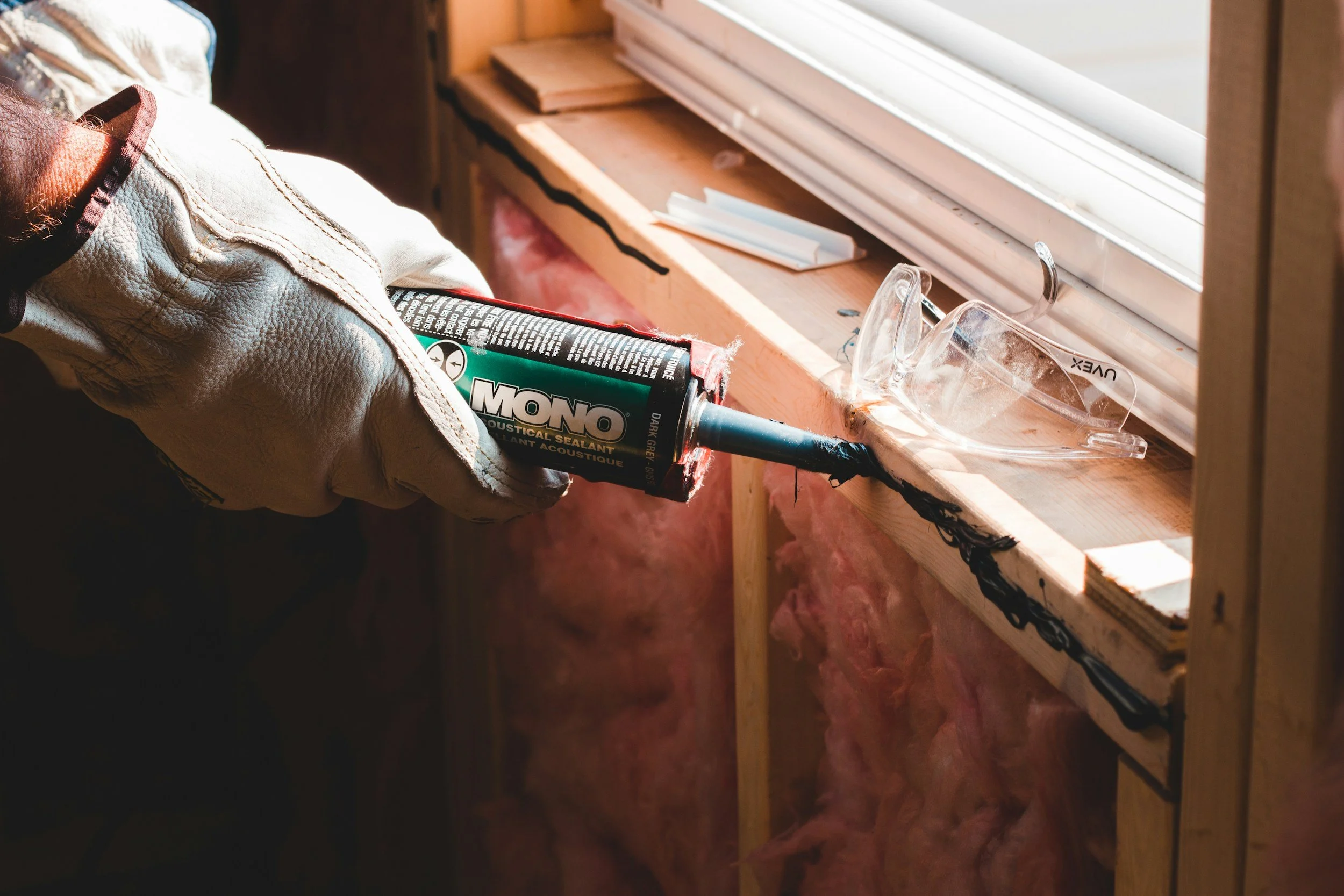
If you live in Whitefish Bay, Shorewood, Bay View, Wauwatosa, or anywhere else in the greater Milwaukee area, there's a good chance your home is 80 to 120 years old. That's a feature, not a bug — but it does come with a very specific maintenance reality. Wood trim rots. Window sills take a beating from Lake Michigan winters. Paint peels on freeze-thaw cycles that would humble any contractor who learned their trade in Phoenix. And lurking beneath at least a few layers of that peeling paint is almost certainly lead.
Finding the right contractor for this kind of work isn't as simple as calling whoever shows up first on Google. The best people for 100-year-old Milwaukee homes aren't always the biggest or the most-advertised. They're the ones who probe your trim with a screwdriver before they quote you, who know the difference between rot that needs to be replaced and rot that can be stabilized with epoxy consolidant, and who understand that painting over a moisture problem just moves the problem forward a few years.
Here's a guide to the contractors neighbors actually recommend — organized by specialty — along with the questions you should ask before signing anything.
The Restoration Specialists: Historic Homes First
Thoughtful Craftsmen is the name that comes up most consistently when Milwaukee homeowners ask on Nextdoor, in Facebook groups, or anywhere else about exterior work on pre-WWII homes. Based in Milwaukee's Riverwest neighborhood and in business since 1998, they have been working on homes between 80 and 130 years old longer than most of their competitors have been painting anything. Their model is intentional: carpentry, restoration, and painting stay under one roof, so the crew that repairs the trim is the same crew overseeing the paint. Reviewers on Nextdoor and Google praise their detailed assessments, their willingness to explain every decision, and their work on 1910s and 1920s homes in Shorewood, Whitefish Bay, Fox Point, and Milwaukee's East Side. The one caveat you'll hear: they are not cheap. They will also tell you, directly, that their pricing reflects the difference between a paint job that lasts five years and one that lasts fifteen. Their restoration painting crew handles everything from historic window tune-ups and custom wood combination storm windows to siding repair, soffit and fascia replacement, and full porch rebuilds.
Quaint Milwaukee, run by Norbert Rodriguez, is the other name you'll see on nearly every historic preservation discussion in the city. He restored the windows at former Mayor Tom Barrett's home and has been featured in the Milwaukee Journal Sentinel for his argument — backed up by his actual work — that original old-growth wood windows should be restored, not replaced. His woodshop on S. 23rd Street can rebuild sash cords and pulleys, reglaze glass, replace rotted bottom rails, and replicate any trim profile or sill nose in wood. A basic window repair in Milwaukee typically runs around $400 with Quaint Milwaukee, compared to $2,000 or more for a new replacement window — and the restored window will outlast the replacement. One honest caveat from the Milwaukee community: multiple reviewers have noted difficulty getting calls returned, and lead times can be long. Plan to follow up persistently. The workmanship reviews, however, are exceptional.
Acker Millwork Co. on W. Pabst Avenue is a different kind of resource — a custom millwork manufacturer, not an installation contractor. They've been in business since 1959, and they're where you go when a decorative trim profile has been discontinued by every major manufacturer, or when you need a replacement window sash that matches your 1914 originals exactly. North Shore homeowners have used them for sash kits, custom combination storm windows, and replicated brickmold and crown profiles. Lead times run about 30 days during busy season. You'll pair them with a separate carpenter for installation, but for getting the right wood piece made, there's no better local option.
Painters Who Do the Carpentry First
The category of contractors who can legitimately handle both wood repair and paint — under the same contract, with real carpenters on staff — is smaller than their marketing might suggest. Here are the ones that hold up to scrutiny in the Milwaukee area.
The Village Painter, based in Bayside and run by John Domjen since 2003, concentrates its work on the North Shore: Whitefish Bay, Shorewood, Fox Point, Bayside, Brown Deer, and Mequon. They list light carpentry, lead paint removal, and exterior wood repair alongside painting, and Houzz reviewers specifically mention thorough prep work on older homes, including full sanding and priming on houses where previous paint jobs had been applied over deteriorating surfaces. They shift from exterior to interior work in November and stay indoors through March — a good sign that they understand Wisconsin's painting season rather than trying to work around it.
Crain Painting Contractors has been serving Milwaukee and Ozaukee counties since 1952, which means they have been painting older Milwaukee homes for generations. Carpenters on staff is listed explicitly in their service description, and they can provide lead-safe certification on request. Long tenure doesn't always mean quality, but the reviews for Crain are consistent on one thing: old-fashioned professionalism and careful trim work.
Culver's Painting, based in Brookfield and serving the entire metro area including the North Shore and Lake Country, stands out for one specific credential that matters on pre-1978 homes: they hold a Wisconsin Department of Health Services Lead Company certification (DHS ID 2767280), which is a more rigorous standard than the federal EPA RRP certification alone. Their blog content on lead safety and older home painting is substantive and accurate — a good proxy for whether a company's crews are actually trained or just certified on paper. They have in-house carpenters who handle rot replacement before painting and have accumulated 200-plus Google reviews across Milwaukee, Waukesha, and Ozaukee counties.
O'Brien Professional Painting has strong community recommendations on the East Side and North Shore, with reviewers specifically noting careful handling of older homes and awareness of lead hazards. A solid choice for pre-war and 1920s homes in the Shorewood and Whitefish Bay area.
CertaPro Painters of Milwaukee is the most structured of the larger companies on this list — EPA Lead RRP certified, with a formal estimating and color-consultation process and an explicit carpentry repair offering alongside painting. They are active on the North Shore. For homeowners who prefer a more corporate process with documented warranties, they're a reliable mid-tier option. For genuinely complex older homes with significant restoration needs, most North Shore neighbors still tend toward the smaller specialists above.
360° Painting of North Shore has Google reviews that specifically reference a 100-year-old Victorian where the crew partnered with the homeowner to solve carpentry and rotting-wood issues before painting — the right approach, and worth noting.
AJ Painting Contractors is EPA Lead RRP Certified, BBB-accredited, and offers a five-year exterior warranty. A solid generalist for homes built before 1978 where lead-safe practices are the primary concern.
Empire Painting, based in Delafield and serving the western suburbs and Lake Country, is lead-safe certified, has been in business since 2003, carries $2 million in general liability coverage, and is a better fit if your property is on the Waukesha County side of the metro.
When You Need a Carpenter, Not a Painter
Sometimes the project starts before paint is anywhere in the conversation — you need a craftsperson who can assess, repair, or replace deteriorated trim before a painter is even scheduled. These contractors specialize in that work.
Mr. Handyman of Waukesha and North Milwaukee County explicitly lists wood rot replacement, soffit and fascia repair, and exterior trim as core services. They carry the Neighborly Done Right Promise warranty and serve Whitefish Bay, Shorewood, Fox Point, Bayside, and River Hills. For targeted rot repairs where you're not ready to involve a full painting contractor, they're a pragmatic starting point.
Milwaukee Handyman offers flat-rate carpentry pricing with no markup on materials and covers Whitefish Bay, Shorewood, Wauwatosa, and Brookfield.
Chisel and Vine is a finish carpentry shop serving Milwaukee, Ozaukee, and Waukesha counties, focused on trim, casing, baseboards, and custom built-ins — useful when the repair is intricate and you want a dedicated finish carpenter rather than a generalist.
Weatherization Services occupies a specialty niche: they're a state-certified lead-abatement contractor, not a general painting or carpentry company. If lead is the primary issue — especially for owner-occupied homes with young children — they specialize in lead paint removal, encapsulation, and aluminum-clad covering of lead-painted exterior surfaces. They also have experience helping clients qualify for City of Milwaukee lead-abatement assistance programs, which can significantly offset project costs.
What to Ask Before You Hire Anyone
These questions will help you separate contractors who know older Milwaukee homes from those who don't.
Ask for their lead certification, specifically. Federal EPA RRP certification is the minimum. Wisconsin DHS Lead Company certification is more rigorous. Ask for the certification number and verify it. For any home built before 1978 — and especially before 1950 — this is non-negotiable.
Ask how they assess wood condition before quoting. A contractor worth hiring will probe your trim, sills, fascia, and soffits with a screwdriver or awl before they finalize any number. They're looking for soft spots, dark staining at joints, and paint that's bubbled from moisture underneath. If they walk around the house and quote from visual observation only, they will paint over problems they didn't find.
Ask what their prep process looks like for lead paint. The right answer includes plastic-sheeted containment, HEPA vacuums (not shop vacs), wet sanding instead of dry sanding, and P100 respirators on the crew. Power-washing lead-painted surfaces before prep is actually illegal in Wisconsin and spreads contamination across your yard — if a contractor proposes it, walk away.
Ask whether carpenters are on their own crew or subcontracted. When the painter subs out carpentry to a separate company, accountability for the wood condition under the paint gets diffuse. The best outcomes on older homes come from contractors who own both sides of the project.
Ask for references from a similar home in this neighborhood. A homeowner with a 1920s Craftsman bungalow two blocks away is the best reference you can get. Nextdoor is genuinely useful for this — search for your neighborhood and the contractor name, and you'll usually find unsolicited opinions from people who hired them last summer.
Ask about the warranty. Five-year exterior warranties are now common among reputable painters. Make sure the warranty explicitly covers adhesion failures and peeling, not just defects in the paint product itself.
Should You Repair or Replace Your Original Windows?
This question comes up constantly in Milwaukee neighborhoods full of double-hung wood sash windows from the 1910s and 1920s, and the answer is almost always: repair them.
Original old-growth wood windows — the heart pine, Douglas fir, and old-growth white pine in homes built before 1940 — are denser and more rot-resistant than anything available today. Properly restored with new glazing compound, sash cords, weatherstripping, and a well-fitted storm window, they can match or exceed the energy performance of modern replacement windows. The Wisconsin Historical Society, Norbert Rodriguez at Quaint Milwaukee, and the National Park Service preservation guidelines all reach the same conclusion.
Replacement windows typically cost $1,500 to $3,000 installed per window in the Milwaukee area. The payback period in energy savings usually exceeds 30 years — often longer than the vinyl replacement windows themselves will last. Meanwhile, a restored original window paired with a new storm can be accomplished for a few hundred dollars and will last another 50 to 100 years with maintenance.
The conditions where window replacement actually makes sense are specific: when the structural framing or jamb itself has failed, not just the sash, sill, or casing. Even then, individual components — stiles, rails, muntins, stops — can be replaced like cabinet parts. A skilled restoration carpenter will always dutch in new sections before recommending full replacement.
For exterior trim on the house body — brickmold, drip caps, decorative crowns, sill noses — the same principle applies. Localized rot at sash corners and sill ends is standard maintenance territory, treatable with wood consolidant (such as Abatron products) and epoxy filler rather than wholesale replacement. When replacement is necessary, the piece should match the original profile and thickness. Acker Millwork can replicate any profile from a sketch, photo, or cut-off sample. Some homeowners use fiber cement trim (such as HardieTrim) as a rot-proof modern substitute, though it differs in texture from original wood and is a more significant departure from period character.
When to Paint Outdoors in Wisconsin
Wisconsin's climate is unforgiving for exterior paint, and understanding the window matters as much as choosing the right contractor.
The prime season runs from late May through early October. June, July, August, and September are the core months — daytime highs between 60 and 85 degrees Fahrenheit, overnight lows reliably above 50, and forecasts stable enough to plan around. Latex paint needs surfaces and air temperatures above 50 degrees for proper film formation; below that, the resin particles don't bond correctly and you'll get adhesion failure. Some cool-temperature acrylic formulations allow application down to 35 degrees, but both air and surface temperature must hold above that threshold for at least 36 hours after application.
April in Milwaukee looks tempting and often isn't. Late frosts, lake-effect cold snaps, and surface moisture from snowmelt ruin early-season jobs regularly. The overnight low is always more important than the daytime high — a beautiful 65-degree September afternoon followed by a 38-degree overnight before paint has cured will permanently weaken the film.
Sun-facing walls on the south and west can reach 110 degrees even when the air is 85, causing paint to flash-dry before it can level properly. Experienced crews follow the shade around the house through the day. And paint should never be applied within four to eight hours of rain, or when the surface temperature is within five degrees of the dew point.
All of this is why the best Milwaukee painters do no exterior work between November and March. If a contractor proposes exterior painting in January, that's a significant red flag.
One practical note: book early. The most sought-after contractors — Thoughtful Craftsmen, Village Painter, Culver's, Crain — are often fully committed for prime season by April. Calling in February gives you priority scheduling and leaves time to complete carpentry work before paint crews arrive.
A Note on Historic Districts and Tax Credits
If your home is in a designated Milwaukee historic district — including portions of Brady Street, Concordia, Walker's Point, Highland Boulevard, North Point, Prospect Avenue, and a number of locally-designated landmarks — exterior changes including window replacement, trim profile changes, and even paint colors may require Historic Preservation Commission review. The City of Milwaukee Historic Preservation office can confirm whether your address falls within a regulated area before you commit to any scope of work.
Wisconsin also offers a state historic-rehabilitation income tax credit on qualifying work to homes on the State Register or in National Register historic districts. Homeowners who have worked with Thoughtful Craftsmen on historic storm window installation have specifically reported qualifying for these credits. It's worth a call to the Wisconsin Historical Society's Division of Historic Preservation before starting any major exterior project — a credit can meaningfully offset what feels like a significant upfront investment in the right restoration work.
Do you have a contractor you'd recommend for older homes in the greater Milwaukee area? Drop a comment below or share this with a neighbor who's been putting off that trim project since last fall.

Water pooling near your foundation? Here's a North Shore homeowner's guide to the best grading and drainage contractors in greater Milwaukee, plus real costs and what to ask before you sign.