

Home energy audits: Complete Guide for Milwaukee families
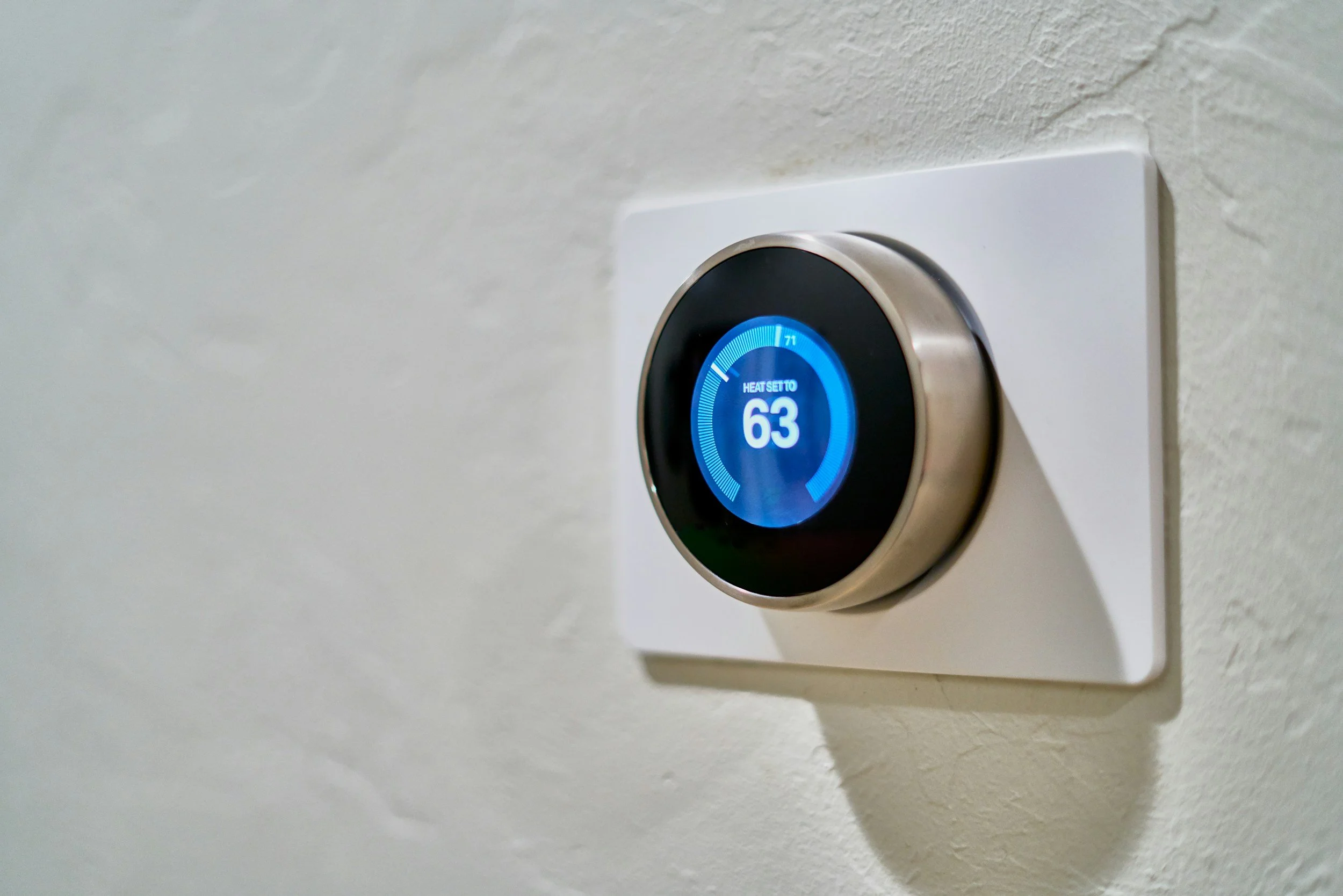
If you've been wondering whether a home energy audit is worth the investment, the short answer is yes—especially for Milwaukee-area homeowners with houses built before 1980.
A professional energy assessment typically costs $200-$625, but after implementing the recommended improvements, most families save 5-30% on their monthly energy bills, often recovering the audit cost within the first year. What makes 2025 particularly compelling is the combination of Focus on Energy's free assessments, federal IRA rebates, and tax credits that can stack to save Wisconsin homeowners $8,000-$20,000+ on efficiency upgrades—but the federal tax credits expire December 31, 2025.
This guide walks you through everything Milwaukee-area families need to know: whether an audit makes sense for your situation, which local companies to consider, how to take advantage of Wisconsin's generous incentive programs, and what red flags to watch for when hiring an auditor.
The value of a home energy audit
Think of an energy audit like a comprehensive physical for your house. An auditor uses specialized equipment—including a blower door that depressurizes your home to measure air leakage and an infrared camera that reveals hidden heat loss—to diagnose exactly where your energy dollars are going.
For North Shore families dealing with drafty older homes (and there are plenty of beautiful but leaky colonials and Cape Cods in Whitefish Bay, Shorewood, and Fox Point), the findings can be eye-opening. Homes built before modern energy codes often lose 20-30% of conditioned air through gaps, cracks, and inadequate insulation that are invisible to the naked eye but show up clearly on thermal imaging.
The U.S. Department of Energy reports that homeowners who implement audit recommendations see average savings of $372-$600 or more annually. Beyond your utility bills, there's a comfort factor that's hard to quantify: eliminating those cold spots near windows in January, stopping the basement from feeling like a refrigerator, and finally getting consistent temperatures throughout your home.
Perhaps most importantly for families, energy audits include combustion safety testing for your furnace and water heater. This testing checks for carbon monoxide leaks—a colorless, odorless gas that poses serious health risks. Auditors also identify moisture problems that can lead to mold, ventilation issues affecting indoor air quality, and even electrical hazards.
What happens during an energy audit
A comprehensive professional audit typically takes 2-4 hours for an average-sized home. Here's what to expect when the auditor arrives:
The process begins with an interview about your family's habits—who's home during the day, what temperatures you keep the thermostat at, which rooms feel uncomfortable—followed by a review of your past 12 months of utility bills. Then comes the diagnostic testing. The auditor installs a large fan in your front door (the blower door) that creates a pressure difference, making air leaks throughout your home more detectable. While your house is depressurized, they'll scan with an infrared camera to identify exactly where heat is escaping.
You'll also get a room-by-room inspection of insulation levels, a thorough evaluation of your HVAC system, combustion safety testing of gas appliances, and often duct leakage testing if you have forced-air heating. The auditor will climb into your attic and inspect your basement or crawl space—so make sure those areas are accessible.
What you'll receive afterward: A written report with thermal images documenting problem areas, a prioritized list of recommended improvements with estimated costs and projected savings, and the auditor's certification information (which you'll need for tax credits). Quality reports arrive within a few days; if an auditor says it'll take weeks, that's a yellow flag.
When does an audit make the most sense?
Older homes benefit dramatically. If your house was built before 1980, an audit is practically essential—these homes predate modern energy codes and almost always have significant opportunities for improvement. Even homes from the 1990s often have issues that newer building science has solved.
Newer homes aren't exempt. Construction quality varies, and even recently built homes can have "hidden" inefficiencies from installation mistakes or settling. For newer homes, consider an audit every five years rather than every two to three years recommended for older properties.
Schedule an audit before major renovations or HVAC replacement. This is crucial timing that many homeowners miss. If you're about to spend $8,000-$15,000 on a new furnace, you want to air-seal and insulate first—otherwise, you might install a larger, more expensive system than you actually need. After tightening up your home's envelope, you can often downsize HVAC equipment.
High energy bills or comfort complaints are obvious triggers. If certain rooms are always too hot or too cold, if you're seeing condensation on windows, or if your bills seem higher than your neighbors', an audit will identify the root causes rather than having you guess at solutions.
Area companies providing energy assessments
I've researched home energy audit providers serving Milwaukee and surrounding communities including Mequon, Whitefish Bay, Fox Point, Shorewood, Waukesha County, Ozaukee County, Washington County, Racine, and Kenosha. Here are the companies worth considering:
Weatherization Services (Milwaukee)
This company has been improving Milwaukee-area homes since 2008 and is one of the most established providers in the region. They're a BPI Certified Focus on Energy Trade Ally offering comprehensive whole-house energy audits with blower door testing, infrared imaging, and combustion safety testing.
Service area: Milwaukee, Racine, Waukesha, and Ozaukee Counties (including Whitefish Bay, Shorewood, and Glendale)
Pricing: $500 for comprehensive energy audit
Contact: (414) 873-4945 | weatherizationservices-wi.com
Address: 1101 W. Layton Avenue, Milwaukee, WI 53221
Wisconsin Home Improvement (Menomonee Falls)
A strong choice for families in western Milwaukee County and Waukesha County, WHI offers free Home Performance Audits and is a Pearl Certification provider—a credential that can increase your home's resale value by up to 5%. They're BPI Certified and participate in Focus on Energy's Trade Ally network.
Service area: Milwaukee, Madison, Brookfield, Waukesha, Wauwatosa, Shorewood, West Allis, Menomonee Falls, Oconomowoc
Pricing: Free energy audits available
Contact: (262) 345-9922 | whiinsulation.com
INTEC (Milwaukee)
With 31+ years in business and over 21,000 homes serviced, INTEC brings deep experience to energy assessments. They hold an A+ BBB rating with 4.7 stars from 96 reviews. BPI Certified with comprehensive testing capabilities including duct blaster testing.
Service area: Southeastern Wisconsin including Milwaukee, Bayside, Brookfield, Pewaukee
Contact: (414) 732-8834 | intecwi.com
Address: 321 N. 25th Street, Milwaukee, WI 53233
Hours: Monday-Friday 8am-4:30pm
Green Homeowners United (Milwaukee)
This company specializes in navigating the new federal IRA rebate programs—if you want to maximize every available incentive, they're worth considering. They provide DOE-certified assessments and IRA Energy Assessment & Incentives Reports that map out exactly which rebates you qualify for.
Service area: Milwaukee, Waukesha, Ozaukee, Washington, Racine, Kenosha, Dodge, Jefferson Counties (including Mequon, Grafton, Cedarburg, Franklin)
Pricing: $625 for IRA Energy Assessment (minus $150 federal tax credit = $475 net)
Income-qualified: No-cost assessments available for qualifying households
Contact: (414) 604-6450 | greenhomewi.com
Address: 9618 W Greenfield Ave, Milwaukee, WI 53214
Home Perfect (Mequon area)
Particularly convenient for North Shore families, Home Perfect operates in the Mequon/Thiensville area and offers Healthy Homes Assessments that go beyond energy to include indoor air quality monitoring, mold detection, and contaminant assessment. They're an independent assessor—meaning they don't also sell installation services—which some families prefer for unbiased recommendations.
Service area: Within 20 miles of Mequon; Ozaukee County and surrounding areas
Pricing: Focus on Energy Inspection ($350), Focus on Energy Assessment ($525), Healthy Homes Assessment ($999)
Contact: homeperfect.net
Beyond Energy LLC (Waukesha)
A good option for Waukesha County residents, Beyond Energy offers comprehensive diagnostics including radon testing, mold testing, and electrical panel mapping alongside standard energy audits. The owner has a home inspector background, which shows in the thoroughness of their assessments.
Service area: Waukesha County and surrounding areas
Contact: beyondenergyllc.com
Larson & Keeney Home Services (Pewaukee)
As part of the national Dr. Energy Saver network, this company brings standardized protocols to energy assessments. They're BPI Certified, hold an A+ BBB rating, and are also GAF Master Elite Roofing Contractors—useful if your audit reveals roof-related issues.
Service area: Milwaukee, Brookfield, Racine, Mequon, and Southeastern Wisconsin
Address: N29W23825 Woodgate Court W, Pewaukee, WI 53072
Contact: larsonkeeneyhomeservices.com
For Racine and Kenosha County families
The Racine Kenosha Community Action Agency (RKCAA) administers the federal Weatherization Assistance Program, providing free energy audits and weatherization services for income-qualified households. If your income is at or below 60% of Wisconsin's median income, you may qualify for comprehensive weatherization at no cost.
Contact: (262) 898-8036 | rkcaa.org/housing/weatherization
Address: 1800 21st Street, Racine, WI 53403
Take advantage of Wisconsin's energy incentive programs
This is where living in Wisconsin really pays off. The combination of state, utility, and federal programs available right now is unprecedented—but some of these incentives are time-limited.
Focus on Energy (your first call)
Focus on Energy is Wisconsin's statewide efficiency program, funded by utilities including We Energies. The most important thing to know: they offer FREE home energy assessments through their Trade Ally contractor network. These assessments identify drafts, insulation gaps, and efficiency opportunities, and they're required to unlock higher rebate tiers for many improvement projects.
Current rebates for 2025 include $675 for air sealing (or $1,125 if you're income-qualified), $525 for attic insulation, $450 for wall insulation, plus instant discounts on HVAC equipment through participating contractors.
Contact Focus on Energy: 800-762-7077 | focusonenergy.com
The federal IRA rebates are substantial
Wisconsin was the first state to launch the federal Inflation Reduction Act home energy rebate programs, and there's currently $149 million in funding available. Two programs matter for Milwaukee families:
HOMES Program (available to all households): After getting an energy assessment, you can receive rebates based on your predicted energy savings—up to $4,000 for 20-35% improvement or up to $8,000 for 35%+ improvement. These rebates can't exceed 80% of project costs.
HEAR Program (income-restricted): If your household income is below 150% of Area Median Income (roughly $140,000 for a family of four in metro Milwaukee), you may qualify for up to $14,000 in rebates covering heat pumps ($8,000), electrical panel upgrades ($4,000), heat pump water heaters ($1,750), and more. Households below 80% AMI can have 100% of costs covered.
Milwaukee residents: check out the Me2 program
The Milwaukee Energy Efficiency program combines Focus on Energy rebates with low-interest financing through Summit Credit Union. You can borrow up to $15,000 at 4.5-5.25% fixed for up to 15 years—with no minimum credit score required for approval. Current bonus incentives of up to $3,000 are available.
Eligible improvements include: insulation, air sealing, high-efficiency furnaces and boilers, water heaters, air conditioners, and windows.
Stack these programs for maximum savings
Here's what many homeowners don't realize: you can combine multiple programs on the same project. A Milwaukee resident recently documented saving over $20,000 by stacking HEAR rebates, HOMES rebates, Focus on Energy rebates, and federal tax credits on a comprehensive efficiency upgrade.
The basic stacking strategy:
Focus on Energy rebates/instant discounts (applied first)
IRA HOMES or HEAR rebates (based on savings achieved or income)
Federal tax credits (30% of remaining costs, up to $3,200 annually)
Me2 financing for any balance (Milwaukee residents)
Critical deadline: Federal tax credits under Sections 25C and 25D expire December 31, 2025. This includes the $150 credit for energy audits themselves, plus credits up to $2,000 for heat pumps and $1,200 for insulation and air sealing materials.
What to watch out for when hiring an energy auditor
Not all energy audits are created equal, and unfortunately, some providers cut corners or use audits primarily as sales tools for their contracting services. Here's how to protect yourself:
Verify certifications before signing anything
The gold standard is BPI (Building Performance Institute) certification—specifically the Building Analyst Professional credential. BPI-certified auditors have passed rigorous written and field examinations covering building science, safety testing, and diagnostic protocols. This certification is also required if you want to claim the federal tax credit for your audit.
Other legitimate certifications include RESNET HERS Rater (particularly for new construction or home sales) and various DOE-recognized credentials like ASHRAE Building Energy Assessment Professional and AEE Certified Energy Auditor.
How to verify: Use the BPI GoldStar Contractors Locator at bpihomeowner.org, or the RESNET National Registry at hersindex.com to confirm an auditor's credentials are current and in good standing. Ask for certification numbers and verify them directly.
Red flags that should make you walk away
Watch for these warning signs:
Unsolicited contact claiming to represent your utility—legitimate utility programs don't cold-call for home access
No certification or refusal to provide certification numbers
Doesn't use a calibrated blower door (uncalibrated equipment gives meaningless readings)
Won't perform combustion safety testing
Promises specific dollar savings before conducting the audit
Provides only verbal recommendations without a written report
Demands immediate decisions or payment via gift cards, wire transfers, or Zelle
Report takes weeks or months to receive (reputable auditors deliver within days)
The conflict of interest question
Many companies that perform energy audits also sell installation services—insulation, HVAC, air sealing, and so on. This isn't automatically disqualifying, but it creates potential bias toward recommending their own products and services.
Ask upfront: "Do you work as a contractor as well as an energy auditor?" If yes, RESNET standards require a conflict of interest disclosure document before ratings. You might also consider using an independent auditor who doesn't perform installation work—companies like Home Perfect and Green Homeowners United focus on assessments rather than contracting.
Essential questions to ask before hiring
About their process:
Will you perform a blower door test using a calibrated blower door?
Will you conduct thermographic/infrared inspection?
Will you perform combustion safety testing?
Will you analyze my past 12 months of utility bills?
How long will the audit take? (Should be 2-4 hours for a comprehensive assessment)
About deliverables:
May I see a sample report?
How soon after the audit will I receive my report?
Will recommendations include estimated costs and quantified savings?
Will you include infrared images in the report?
About qualifications and references:
What certifications do you hold? Can you provide certification numbers?
How long have you been conducting home energy audits?
Can you provide 3-5 references from previous clients?
Are you a Focus on Energy Trade Ally?
What happens after you get your audit report
A quality audit report gives you a prioritized roadmap of improvements ranked by safety impact, payback period, and comfort improvement. Here's how to move forward:
Address safety issues immediately. If your auditor identifies carbon monoxide concerns, gas leaks, or electrical hazards, these take priority over everything else.
Focus on air sealing and insulation first. These improvements typically offer the fastest payback—often under two years—and they're prerequisites for other work. Air sealing alone can reduce heating and cooling costs by up to 30%, according to the Department of Energy. Always complete air sealing before adding insulation.
Get multiple quotes for major work. For any project over a few thousand dollars, get at least three quotes from contractors. Ask if they're familiar with your audit report and whether they'll perform a "test-out" blower door test after work is completed to verify improvement.
Don't wait too long on HVAC replacement—if it's recommended. If your heating system is 15+ years old and the audit reveals efficiency issues, factor replacement into your timeline. But remember: do air sealing and insulation work first so you can potentially downsize your new equipment.
Apply for rebates before starting work. For projects over $10,000, Focus on Energy recommends getting pre-approval. Submit applications within 60 days of project completion—allow 8-10 weeks for processing.
Preparing for your audit appointment
To get the most value from your assessment, a little preparation helps:
Gather your utility bills. Pull together 12 months of electric and gas statements, or request usage history from We Energies. This data helps the auditor understand your consumption patterns.
Make a list of concerns. Note which rooms feel drafty, where you see condensation, any comfort complaints, and specific questions about improvements you're considering.
Clear access to key areas. The auditor needs to reach your attic hatch, basement or crawl space, utility closets, and all mechanical equipment. Move stored items if necessary.
Prepare the house. Close and latch all windows and doors. Open curtains and blinds. If you have a fireplace, cover ashes with wet newspaper to prevent mess during the blower door test. Secure pets.
Plan to be present. Block 2-4 hours for the audit and plan to walk through the home with the auditor. The best insights often come from asking questions about findings in real-time and pointing out specific problem areas you've noticed.
The bottom line for Milwaukee families
For most Milwaukee-area homeowners—especially those with homes built before 1980 or anyone experiencing high energy bills and comfort issues—a professional energy audit is one of the highest-return investments you can make in your home. The math is compelling: $200-$625 for an audit (often free through Focus on Energy or reduced by the $150 federal tax credit) that identifies improvements yielding 5-30% annual energy savings.
With Wisconsin's current stack of incentives—Focus on Energy rebates, federal IRA programs, the Me2 program for Milwaukee residents, and tax credits expiring at year's end—2025 is an unusually good year to act. A single comprehensive efficiency upgrade can qualify for $8,000-$20,000+ in combined rebates and credits, dramatically reducing your out-of-pocket costs.
Start by calling Focus on Energy at 800-762-7077 to schedule a free assessment through their Trade Ally network, or contact one of the Milwaukee-area companies listed above. Either way, you'll walk away knowing exactly where your energy dollars are going—and a clear roadmap for keeping more of them in your pocket.
This guide was researched and written for Milwaukee-area homeowners. Program details and incentive amounts change periodically—always verify current information directly with Focus on Energy (focusonenergy.com) or individual program administrators before starting projects.

Looking to recycle old electronics on Milwaukee's North Shore? Find free drop-off events in Fox Point and Whitefish Bay, year-round programs in Glendale and Shorewood, and retail options at Best Buy — plus what Wisconsin law says you can't throw in the trash.