Snow Removal Services in Greater Milwaukee: Your Winter Guide
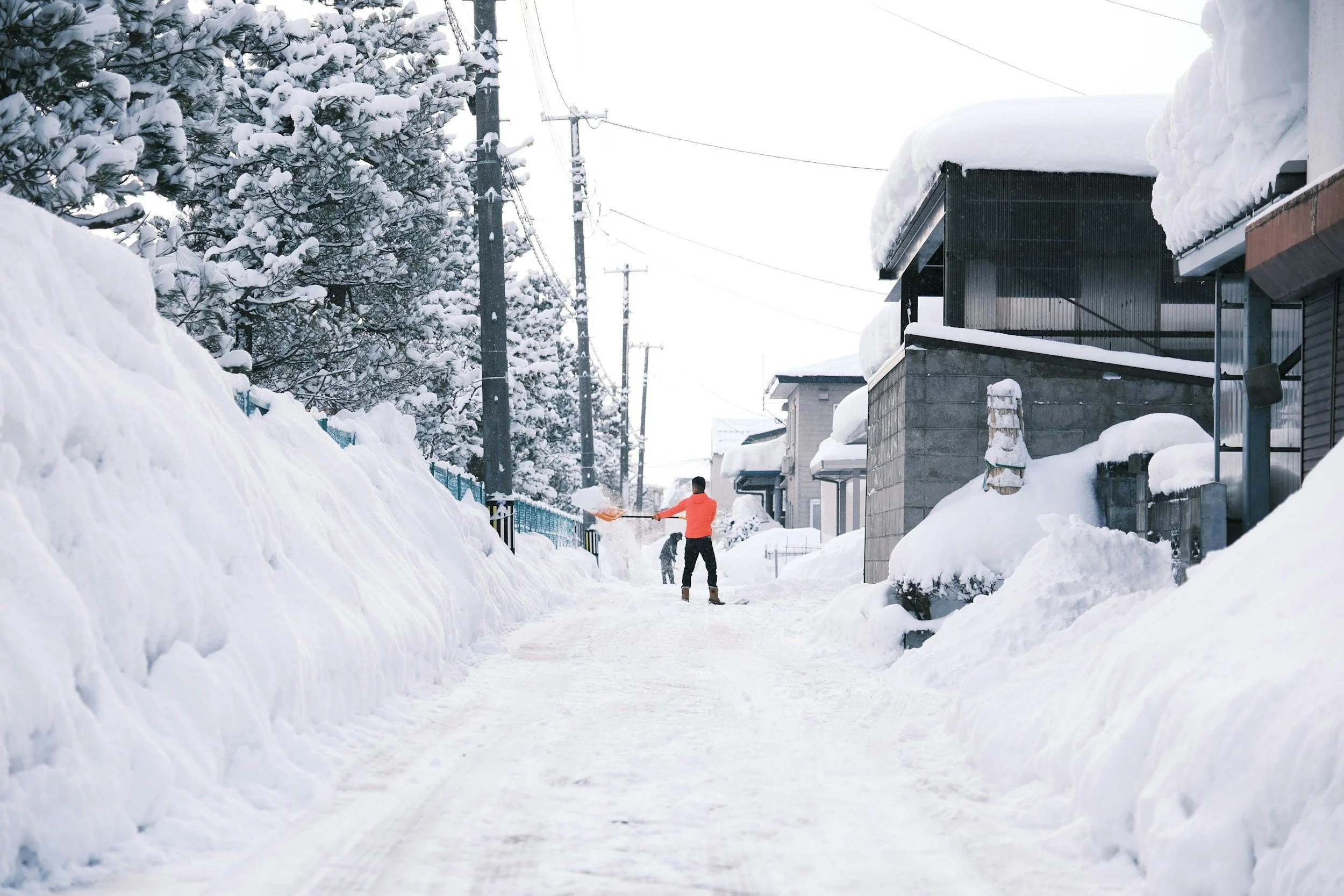
When winter arrives in the Milwaukee area, homeowners face an annual question: tackle the snow yourself or hire a professional service? For most families in the Greater Milwaukee metro—where nearly 50 inches of snow falls each season across roughly 14 plowable events—the answer increasingly favors hiring help. The combination of strict municipal sidewalk-clearing ordinances (with fines reaching $100+ for violations), genuine health risks from snow shoveling, and the time crunch of Wisconsin winters makes professional snow removal not just a convenience but often a necessity.
This guide covers everything Milwaukee-area families need to know: which companies serve your neighborhood, what services actually cost, how to navigate contracts, and when hiring help makes more sense than doing it yourself. Whether you're in Fox Point, Waukesha, or anywhere in between, you'll find the practical information needed to keep your property safe and compliant all winter long.
Milwaukee’s annual snowfall
Thanks to Lake Michigan's lake-effect influence, Milwaukee receives significantly more snow than cities located further inland. According to the Wisconsin State Climatology Office, Milwaukee averages 48.7 inches of snowfall annually, with January alone accounting for nearly 14 inches. December follows close behind at 11.3 inches, while meaningful accumulation continues through March.
The snow season typically runs from early November through April. First measurable snowfall (at least one inch) usually arrives around December 2, though trace amounts often appear by November 2. Milwaukee homeowners should expect around 14 days per year with at least one inch of new snow, with two to three storms exceeding five inches. Major blizzards dumping ten or more inches remain rare but not unheard of—Hales Corners recorded 22 inches in a single day in February 2011.
For families planning their winter budgets, this climate data matters. A typical seasonal contract assumes coverage for 15-20 plow events, and understanding Milwaukee's historical patterns helps you evaluate whether per-storm or seasonal pricing makes more sense for your property.
Clearing deadlines
One of the most important factors for Milwaukee-area homeowners is understanding your community's specific snow removal ordinances. These requirements vary significantly across the metro area, and violations can be costly.
City of Milwaukee requires sidewalks to be cleared within 24 hours after snow stops falling. Property owners must clear the entire paved sidewalk surface, and corner lots must also clear crosswalk ramps. First-time violations result in a $50 special charge, with an additional $75 fee if the city sends a contractor. Subsequent violations jump to $100 plus actual removal costs. Perhaps most importantly: shoveling snow back into the street is illegal under Milwaukee ordinances 79-11 and 79-12, treated as littering.
Village of Shorewood maintains the strictest requirements in the North Shore at just 12 hours after snowfall ends. Sidewalks must be cleared to full width down to pavement, and property owners must apply sand, salt, or chemicals to ensure reasonably safe walking conditions. Dumping snow into streets carries fines between $100 and $500.
Village of Whitefish Bay allows 24 hours but requires sufficient width for two pedestrians to pass. Corner and handicap-accessible ramps must be cleared. If you fail to comply, the village can clear your sidewalk and charge the cost as a special tax on your property.
City of Waukesha gives residents just 12 hours after snow stops. Enforcement is complaint-based, but the costs add up quickly: $2 per linear foot for sidewalks, $25 per curb ramp, and $100 per fire hydrant if the city handles clearing. Repeat offenders face escalating administrative fees.
For communities like Fox Point, Bayside, Glendale, and Mequon, requirements generally follow standard Wisconsin guidelines of 24 hours, though specific ordinances vary. Checking with your municipal office before winter arrives helps avoid expensive surprises.
Snow removal providers
The Milwaukee metro area supports a robust market of snow removal services ranging from multi-decade family businesses to app-based on-demand options. Your best choice depends on location, property type, and service preferences.
Full-service regional companies
Lake Effect Snow Removal has served Southeast Wisconsin for over 20 years, covering both residential and commercial properties throughout the Milwaukee metro. They offer seasonal contracts with priority dispatch, 24/7 weather monitoring, and eco-friendly product options. Their services include everything from curved and steep driveway plowing to ADA-compliant sidewalk clearing. Reach them at 414-426-9674.
Central Services Company brings 40 years of experience since 1974, focusing on institutions, commercial buildings, and multi-family properties across Waukesha, Milwaukee, and Southeast Wisconsin. Their A+ BBB rating and top Angie's List position reflect consistent service quality. They operate on a pay-per-service model with 24/7 radio-dispatched crews.
Dorshak Family Tree Service (262-783-8733) has provided commercial snow plowing for over three decades across Milwaukee, Waukesha, Racine, Kenosha, Washington, and Jefferson Counties. They're particularly known for specialized liquid brine application, which is safer than traditional rock salt, and their effective but non-excessive salting approach.
North Shore and Ozaukee County specialists
Superior Outdoor Services specifically targets North Shore Milwaukee County and Southern Ozaukee County, including Grafton, Cedarburg, Mequon, Bayside, Glendale, Fox Point, River Hills, Brown Deer, and Whitefish Bay. They provide around-the-clock residential service for driveways and sidewalks alongside commercial parking lot management.
Nelson's Specialty Services operates from locations in Glendale and Mequon, bringing 20 years of experience to Milwaukee, Mequon, and Ozaukee Counties. They specialize in large commercial properties and condominium associations.
Waukesha County providers
Waukesha Snow Removal Inc. (414-364-7563) dispatches from both Waukesha and Pewaukee, covering Brookfield, Delafield, Hartland, Vernon, New Berlin, and surrounding areas. While primarily commercial-focused, they accept residential accounts and notably offer emergency snow removal when another provider fails to show.
Wisco Plowing has served Waukesha County for over a decade as a family-owned operation offering both zero-tolerance and standard-visit approaches for residential and commercial properties.
Competitive Edge Landscaping serves Waukesha, Oconomowoc, Brookfield, and Milwaukee with a full range of winter services including plowing, salting, sidewalk clearing, snow stacking, hauling, and even roof raking.
On-demand and app-based services
For homeowners preferring flexibility without seasonal commitments, app-based services have emerged as popular alternatives. LawnGuru serves Milwaukee, South Milwaukee, Waukesha, and surrounding areas with starting prices around $42. Their platform uses aerial mapping for instant pricing, offers real-time tracking and text updates, and sends photo receipts after completion. No contracts required.
Plowz & Mowz provides similar on-demand residential plowing throughout Milwaukee, letting you order service before bed for morning clearing with live updates and photo confirmation.
Snow Scholars, a UW-Milwaukee student-run service, offers hand-shoveled residential snow removal within approximately six miles of campus. Their model supports students' tuition while providing homeowners with lower-cost service—often two to three times cheaper than traditional providers according to their claims.
City of Milwaukee contractor resources
The City of Milwaukee maintains a public list of snow removal providers (not endorsed) including numerous smaller operations. Options range from established companies like Aztec Masonry (414-788-9966) handling walkways, driveways, and parking lots with various equipment, to neighborhood services like Cut and Plow Services (414-928-1675) offering hand shoveling, snow blowing, salting, and alley plowing. The complete list is available at city.milwaukee.gov/dpw.
What snow removal actually costs in Milwaukee
Understanding pricing helps you budget appropriately and recognize fair quotes. Milwaukee-area snow removal costs align with Midwest averages but vary significantly based on property characteristics and contract type.
Residential pricing breakdown
For standard residential driveways, expect $30-$70 per visit for per-push pricing. Larger driveways, particularly those that are long, steep, or curved, typically run $50-$100 per visit. ProMatcher data specific to Milwaukee puts the average at $36.68-$45.86 per visit for typical driveway and sidewalk clearing combined.
Sidewalk clearing alone generally costs $25-$75 per hour, though many services bundle it with driveway work. Steps, walkways, and detail work typically add $15-$30.
Seasonal contracts for residential properties range from $200-$700 for an entire winter depending on property size, service frequency, and included features. These contracts typically run November 1 through April 1 and provide unlimited service visits for snow events meeting the trigger depth.
Salt and de-icing applications cost extra with most providers, typically $20-$50 per application for residential properties or around $35-$75 per bag of product applied.
Commercial pricing expectations
Small parking lots under 20,000 square feet typically cost $75-$250 per push or $3,500-$8,000 for seasonal contracts. Medium lots (20,000-60,000 square feet) run $200-$400 per plow or $600-$800 monthly. Large commercial properties exceeding 60,000 square feet can expect $400-$1,000+ per service or $800-$1,500 monthly under contract.
Hourly rates for commercial equipment typically fall between $125-$350 for plow trucks, with skid steers and loaders at the higher end of that range.
Seasonal versus per-storm pricing
The choice between seasonal contracts and per-storm pricing depends on your risk tolerance and budget preferences. Seasonal contracts provide predictable monthly payments regardless of snowfall amounts—valuable for budgeting but potentially expensive in mild winters. Per-storm pricing saves money in light years but can result in sticker shock during heavy snow seasons.
Multi-year contracts (typically two to three years) often provide 5-15% savings compared to single-season agreements. HOA and condo associations sometimes negotiate group contracts bringing individual household costs as low as $70 per season.
Emergency service premiums
When you need last-minute or after-hours service, expect to pay 20-50% more than standard rates. Overnight emergency plowing typically runs 1.5 times the daytime rate, and same-day emergency commercial service can exceed $600 per visit.
What contracts should include and how to read them
Snow removal contracts can be confusing, but understanding key provisions protects your interests and ensures you receive the service you're paying for.
Trigger depth determines when service begins
Perhaps the most important contract term is the trigger depth—the snow accumulation level that initiates service. Most Milwaukee-area residential contracts use a two to three inch trigger, meaning the service won't dispatch until accumulation reaches that threshold. Commercial properties, particularly those with high foot traffic, often specify one to two inch triggers for safety reasons.
Lower triggers mean more frequent service but higher costs. Budget-conscious homeowners sometimes accept three to four inch triggers, though this can conflict with municipal clearing deadlines if snow falls slowly throughout the day.
Essential contract elements
Every snow removal agreement should clearly specify the scope of work: exactly which areas will be cleared, including driveways, sidewalks, parking areas, stairs, and emergency exits. Response time guarantees matter too—understand whether service begins during the storm or only after snow stops, and how quickly crews will arrive once triggered.
For seasonal contracts, verify the exact dates covered. Standard Milwaukee-area seasons run November 1 through April 1, though some contracts end March 31. Confirm what happens if snow falls outside contract dates.
De-icing services often cost extra unless explicitly included. Understand what products will be used, when they'll be applied (pre-treatment versus post-plowing), and whether applications count toward any visit limits.
Finally, examine liability clauses carefully. Contracts should specify who bears responsibility for slip-and-fall incidents, what documentation the company maintains, and whether you'll be named as an additional insured on their policy.
Red flags that signal problems
Be wary of quotes significantly lower than competitors—quality snow removal requires adequate equipment, staffing, and insurance that legitimate companies must price into their services. Vague contract language like "as needed" or "weather permitting" provides no accountability. Companies unwilling to provide proof of insurance, references, or conduct a property walk-through before quoting raise serious concerns.
Pressure to sign immediately without time to review the contract suggests terms the company doesn't want you to examine closely.
When hiring beats shoveling it yourself
For many Milwaukee families, the decision to hire snow removal isn't about convenience—it's about health and safety.
The cardiac risks of snow shoveling are real
The American Heart Association warns that hundreds of people die annually from cardiac events during or immediately after snow shoveling. Within just two minutes, heart rates can exceed 85% of maximum effort, making shoveling potentially more demanding than a treadmill stress test. Cold temperatures compound the risk by constricting blood vessels and raising blood pressure.
Those over 45, with sedentary lifestyles, obesity, diabetes, high cholesterol, high blood pressure, or any history of heart disease face elevated risk. Anyone who has had a heart attack, bypass surgery, or coronary stenting should not shovel snow, according to cardiologists.
Beyond cardiac concerns, snow removal causes approximately 11,500 shoveling injuries and 5,000 snow blowing injuries annually. Back strains, slips, and falls account for most injuries, with heavy, wet snow presenting particular danger.
When DIY makes sense
For physically fit adults without cardiovascular risk factors, small properties with flat driveways under 600 square feet, and light snowfalls under three to four inches, DIY removal remains reasonable. The math favors doing it yourself if you already own equipment, have time flexibility around snow events, and genuinely enjoy the activity.
Cost comparison for the budget-conscious
Basic DIY equipment costs range from $20-$50 for a quality shovel to $400-$800 for a single-stage gas snow blower. Two-stage blowers for heavier snow run $800-$2,400. Consumer Reports analysis suggests that using a snow blower five times per year achieves break-even versus hiring after approximately five years—longer if you factor in maintenance, fuel, storage, and the value of your time.
For many families, the $200-$600 seasonal contract cost proves worthwhile against the time investment of 1-2 hours per event, multiplied across 14 or more snowfalls, plus the elimination of health risks and the guarantee of municipal compliance.
Verifying insurance protects your family
Before signing any contract, request a Certificate of Insurance (COI) and actually verify it. Legitimate snow removal companies carry several coverage types.
General liability insurance (minimum $1 million recommended) covers bodily injury and property damage if the company's work causes harm. Commercial auto insurance covers their plow trucks. Workers' compensation protects you from claims if their employee is injured on your property.
Don't just accept a certificate—call the insurance company directly to confirm coverage remains active. Request to be named as an "additional insured" on their policy, which provides extra protection if someone sues after a slip-and-fall.
Understanding your own liability
Hiring a contractor doesn't automatically transfer liability for slip-and-fall incidents on your property. Property owners generally maintain a duty to provide safe premises. If your contractor fails to show and someone is injured on an uncleared sidewalk, you may still face claims.
Protect yourself by hiring only fully insured contractors, maintaining detailed records of service visits, ensuring your homeowner's insurance includes adequate premises liability coverage, and clearing promptly to meet municipal deadlines.
Eco-friendly options
Traditional rock salt (sodium chloride) remains the most common and cheapest de-icer, but its environmental impact is substantial. Approximately 70% of road salt eventually enters watersheds, where elevated chloride levels harm aquatic life. Salt also damages soil structure, draws moisture from plants, corrodes concrete and metal, and irritates pets' paws.
Better alternatives exist at reasonable costs
Calcium Magnesium Acetate (CMA) represents the gold standard for environmental safety—biodegradable, gentle on concrete and vegetation, and safe around waterways. Its higher cost (roughly two to three times rock salt) makes it best suited for sensitive areas rather than entire properties.
Magnesium chloride works down to -13°F and contains less chloride than rock salt, causing less environmental damage while remaining reasonably priced.
Beet juice blends, made from processed sugar beet molasses mixed with salt brine, reduce overall salt use by 30-40% while remaining effective to temperatures as low as 5°F. This pre-treatment approach prevents ice from bonding to pavement in the first place.
For traction without melting, sand provides excellent grip with minimal environmental impact. Wood ash, kitty litter, and crushed granite offer similar benefits.
Keeping pets safe from de-icers
Standard rock salt and calcium chloride can cause chemical burns to pets' paws and serious illness if ingested. Safe Paw, which contains modified urea without salt or chloride, carries veterinary recommendations and works down to -2°F. Morton Safe-T-Pet offers another salt-free, chloride-free option developed specifically with pet safety in mind.
Regardless of what products your service uses, wipe pets' paws immediately after walks, prevent them from eating snow or slush on treated surfaces, and consider protective paw wax or boots during winter outings.
Protecting your landscape
To minimize damage to lawns and plants, ask your service provider about application rates—a coffee mug of rock salt adequately covers a 20-foot driveway. More isn't better. Request pre-storm treatment when possible, which uses less product overall. Keep salt applications away from vegetation, and flush affected areas with water once spring arrives. Applying pelletized gypsum (calcium sulfate) can help neutralize accumulated salt in lawn areas.
Equipment the professionals use and why it matters
Understanding what equipment your service provider uses helps you evaluate their capability for your specific property.
For residential driveways
Most residential services rely on truck-mounted plows (straight or V-blade configurations), commercial snow blowers, and hand shoveling for detail work. V-blades excel at cutting through deep, hard-packed snow, while straight blades work well for standard clearing. Back-drag attachments allow plows to pull snow away from garage doors.
For sidewalks and walkways, professional services use commercial two-stage snow blowers, powered brooms for light accumulation, and traditional shoveling around obstacles and corners.
For commercial properties
Large parking lots require heavy equipment: wheel loaders with high capacity for moving large snow volumes, skid steers with multiple attachment options, and multiple plow trucks working simultaneously. Salt spreaders (truck-mounted or tow-behind) handle de-icing efficiently across large areas.
When evaluating commercial providers, ask about backup equipment—a mechanical breakdown during a major storm shouldn't leave your property uncleared.
Timing your service booking makes a real difference
The best contractors fill their routes by November, leaving latecomers with fewer options and potentially less reliable service. Ideally, begin contacting providers in September or October to evaluate quotes and compare contracts. By early November, quality providers have committed their capacity.
If you wait until after the first major snowfall, expect limited availability, less favorable contract terms, and potentially higher prices. Some homeowners have found themselves unable to secure service at all during heavy snow years after waiting too long.
What to expect during the season
Once you have a contract in place, understand the service flow. Most providers prioritize commercial accounts with liability exposure (hospitals, retail, offices) before moving to residential customers. During major storms, even contracted residential customers may wait several hours after commercial routes clear.
Communication matters during snow events. Better providers offer text alerts, app tracking, or proactive communication about expected service timing. Establish expectations upfront about how you'll be notified before, during, and after service visits.
For residents with early work schedules, discuss timing priorities with your provider. Some services offer early-morning completion guarantees for additional fees.
Conclusion: Practical steps for Milwaukee-area
Milwaukee's combination of substantial snowfall, strict municipal ordinances, and genuine health risks from shoveling makes professional snow removal a worthwhile investment for most families. Start your provider search in early fall, obtain multiple quotes, and read contracts carefully before signing.
The sweet spot for most residential properties falls between $300-$600 for seasonal contracts, providing budget predictability, priority service, and peace of mind through typically 14 or more snow events each winter. For those preferring flexibility, per-push pricing at $30-$70 per visit offers pay-as-you-go simplicity, though costs become unpredictable in heavy snow years.
Whatever you choose, verify insurance coverage, understand your municipality's clearing deadlines, and consider eco-friendly de-icing options that protect pets, landscaping, and local waterways. With proper planning, Milwaukee winters become far more manageable—leaving you time to enjoy the season with family rather than battling the snow.