

Morel Mushroom Season in Wisconsin: Where to Hunt, What to Look For, and When to Go
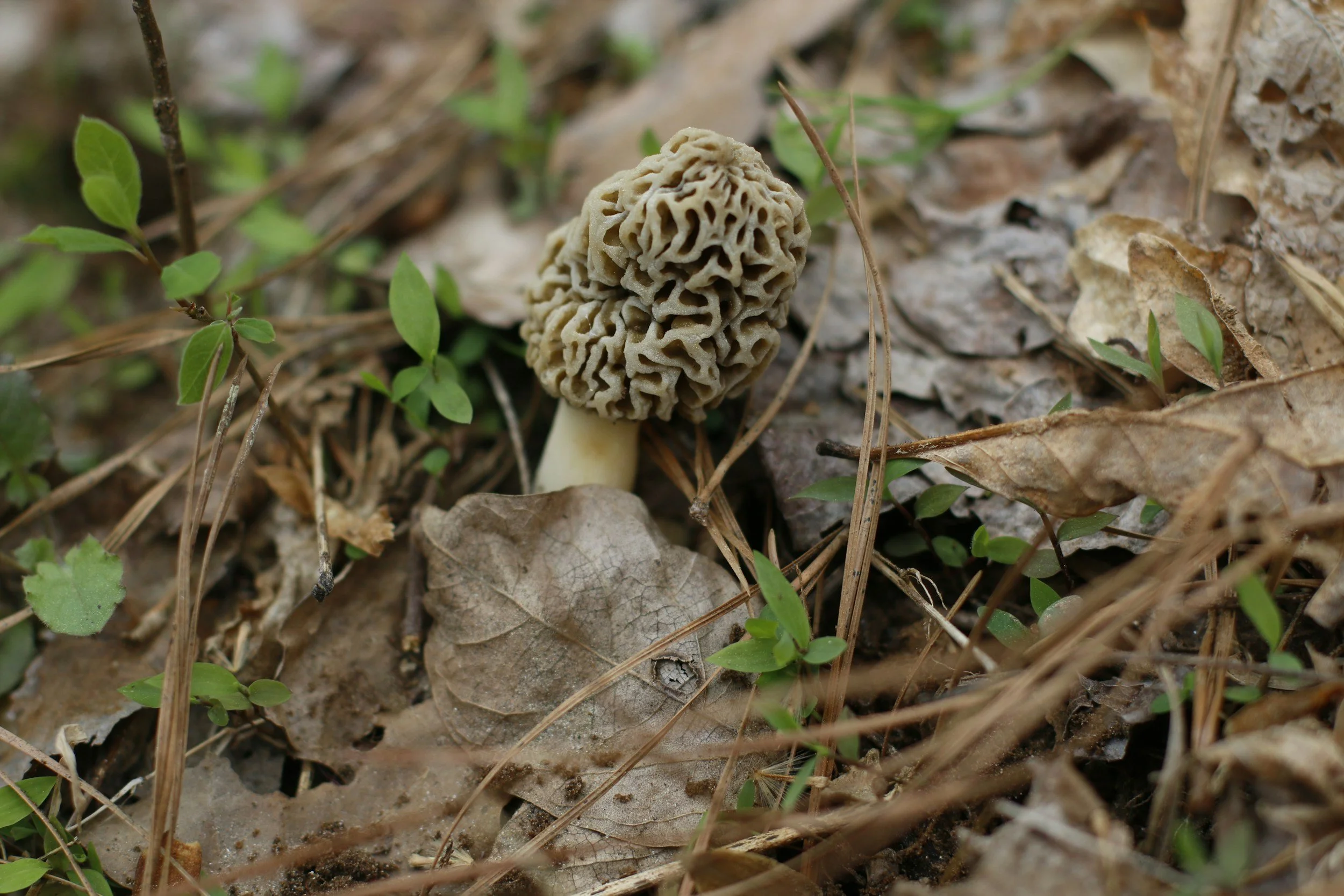
Every spring, thousands of Wisconsinites trade in their winter routines for a very specific kind of treasure hunt — one that takes them into the woods with a mesh bag and a sharp eye, scanning the forest floor for one of nature's most elusive and delicious prizes. Morel mushroom season is a rite of passage in this state, a fleeting few weeks when the woods come alive with possibility and the lucky (and patient) walk out with enough for a proper feast.
Whether you're a first-timer curious about trying your hand at foraging or a veteran hunter looking to sharpen your strategy, here's everything you need to know about morel season in Wisconsin.
What Is a Morel Mushroom?
The morel, scientifically known as Morchella, is a wild edible mushroom that only grows in the woods and cannot be commercially farmed, which is exactly why they command prices north of $50 per pound at specialty markets. They have a nutty, earthy flavor highly desired by chefs for their meaty texture. Hunters describe the taste in all kinds of ways — smoky, buttery, rich — but the consensus is that a freshly foraged morel sautéed in butter is one of the finest simple pleasures spring has to offer.
The morel has a distinctive honeycomb or pitted cap that looks unlike almost anything else in the forest, which makes identification fairly straightforward once you know what you're looking for. That said, the morel does have a lookalike worth knowing about. The false morel is a toxic lookalike that can induce serious side effects like nausea and fatigue, so proper identification before eating anything you forage is non-negotiable.
When Is Morel Season in Wisconsin?
Morel season in Wisconsin generally runs from late April through mid-June, depending on the year and where in the state you're looking. For the greater Milwaukee area — including Waukesha, Ozaukee, Washington, and Racine counties — peak season typically falls in May. The peak is right around May 15th depending on the weather, though morels can be found as early as April and as late as June.
The season ramps up when daytime temperatures hit 60–70°F and nights stay above 40°F, with soil temperatures around 50–55°F being the sweet spot. Many people say morels come out when lilacs start to flower — a natural calendar marker that local foragers have relied on for generations. According to experienced hunters, when the oak leaves are the size of a mouse's ear, that's the time to start looking.
Morels can pop up overnight. Warm rain followed by mild weather can trigger a fast flush, and mushrooms can go from tiny to pickable in a day or two. The window is short, so when conditions align, get out fast.
What Weather and Conditions to Watch For
Pay close attention to the forecast in the days before you head out. A week of 50-degree nights and some rain usually heralds the coming of morels. Prime time for morel mushrooms occurs with daytime temperatures in the 60s and overnight temperatures in the 40s — a little bit of rain and a little bit of sun help these mushrooms spring up. After a solid soaking rain followed by a warm sunny stretch, the conditions are as good as they get.
Where to Hunt for Morels Near Milwaukee
The greater Milwaukee metro area sits in some of Wisconsin's best morel territory, with forested preserves and state lands spread across all six counties. Here's where experienced hunters consistently find success.
Kettle Moraine State Forest is one of the most productive areas in all of southeast Wisconsin. The forest features nutrient-dense and well-drained soil that morels love. Areas near Whitewater Lake, where hardwood trees shade kettled hillsides, are likely to harbor morels, and the wooded areas near the Scuppernong Trail system and sections of the Ice Age Trail are also strong spots. The Northern Unit near Hartford and Campbellsport and the Southern Unit near Eagle and Whitewater both offer good hunting.
Morels have been found in Waukesha County as early as mid-April near streams on steep south-facing slopes, where southern exposure warms the ground ahead of schedule. All of Waukesha County Parks permit foraging for personal use. At Minooka Park, you can spot wild grapes, wild berries, mushrooms, ramps and morel mushrooms in spring.
Washington and Ozaukee counties offer productive hunting in woodland areas along the Milwaukee River corridor, particularly where forested ridges meet creek drainages. Look for older hardwood stands with a mix of elm, ash, and apple trees, especially in transition zones where the woods meet open farmland or wetland edges.
Note that foraging rules vary by jurisdiction. Foraging is not allowed in Milwaukee County Parks, but is allowed on state properties and Waukesha County Parks. Wisconsin state parks allow you to pick wild mushrooms by hand for personal consumption, though use extreme caution because some mushrooms are edible and others are deadly. Always verify local rules before you go, and never forage on private land without permission.
What Trees and Habitat to Target
Morels like to grow around dead ash trees. Well-drained soils or sandy soils where the woods meet a stream are a good place to look. They may also be found around elm, poplar, or apple trees. The first morels of spring are typically found on warm sunny south-facing slopes, and the hunting spreads from there as the season goes on.
Morels show up first in recently burned areas because the black soil warms up first. Then look at south-facing hillsides and on top of sunny hills around dead trees, especially elms — the tree should still have some twigs and bark hanging on but its branches won't have buds. At the end of the season, look on north-facing slopes, on the northern edges of woods, and in shady ravines.
The emerald ash borer has killed millions of ash trees across Wisconsin over the past two decades, and many hunters have found this an unexpected boon for morel season — those dead and dying ash trees have become prime morel habitat. Learn to recognize ash bark while you're out exploring.
Tips for a Successful Hunt
One key trick is to slow down and scan instead of walking fast. Look for shapes, not colors, since morels blend in remarkably well. The honeycomb texture catches light differently than the surrounding leaves and debris, so train your eye to pick up on subtle texture changes rather than obvious color differences.
Carry your harvest in a mesh bag or wicker basket. Using a porous, natural weave bag or wicker basket to collect mushrooms allows them to drop spores as you move, helping them propagate and grow more for the next season. It's a simple habit that helps ensure future seasons stay productive.
When you find one, stop moving immediately. If there's one morel, there are almost certainly more within a few feet. Get down low, move slowly, and scan in all directions before you take a step. Experienced hunters often say that the second and third mushrooms require more patience than the first — but they're usually there.
Ticks will be out, so wear long sleeves, tuck trouser legs into socks, and spray everything with Permethrin or bug repellent. Mud-season trails are real, so sturdy waterproof footwear is a must.
How to Cook Morels
Fresh morels don't need much fuss. Cut them lengthwise, rinse in cold water to remove any insects or debris hiding in the honeycomb chambers, and pat dry. Melt a generous amount of butter in a cast iron or heavy-bottomed skillet over medium heat and sauté until golden, seasoning with salt and pepper. That's it. Some people add a splash of white wine, a little garlic, or a sprinkle of thyme, but the morel's own flavor is so distinctive that simplicity is almost always the right call.
They pair beautifully with pasta, eggs, grilled chicken, or spring asparagus — another peak-season find in Wisconsin around the same time. Morels don't store well fresh, but they dry beautifully and can be reconstituted throughout the year.
Staying Connected and Tracking the Season
Real-time community reporting makes a huge difference in timing a successful trip. The Wisconsin Morel Mushroom Reports Facebook group has an active community sharing sightings and conditions across the state. The Great Morel's sightings map at thegreatmorel.com tracks reports by zip code and is updated throughout the day during peak season, giving you a solid real-time read on where things are popping.
The Muscoda Morel Mushroom Festival
If you want to experience morel culture at its most concentrated, make the trip west to the Muscoda Morel Mushroom Festival. Muscoda holds the festival every May and embraces its identity as the Morel Mushroom Capital of Wisconsin. The 45th Annual Morel Mushroom Festival in 2026 ran May 15–17 and included fresh mushrooms available to purchase at Mushroom Headquarters, a pancake breakfast, a chili cookoff, live music, a parade, and an antique and farm tractor pull. The Muscoda American Legion is ground zero for thousands of morels foraged by locals in the days leading up to the festival, cleaned, weighed, bagged, and sold as a community fundraiser.
It's about a two-and-a-half-hour drive from Milwaukee, and it's absolutely worth it — a distinctly Wisconsin experience that reminds you just how embedded foraging is in the culture of this state.
Get Out There
Morel season is one of the most rewarding outdoor traditions Wisconsin has to offer. The window is short, the mushrooms are genuinely elusive, and the payoff — whether it's a full basket or just a beautiful morning in the woods — is always worth it. Check the weather forecast, watch for those lilacs to bloom, and get out to the woods. The mushrooms won't wait.

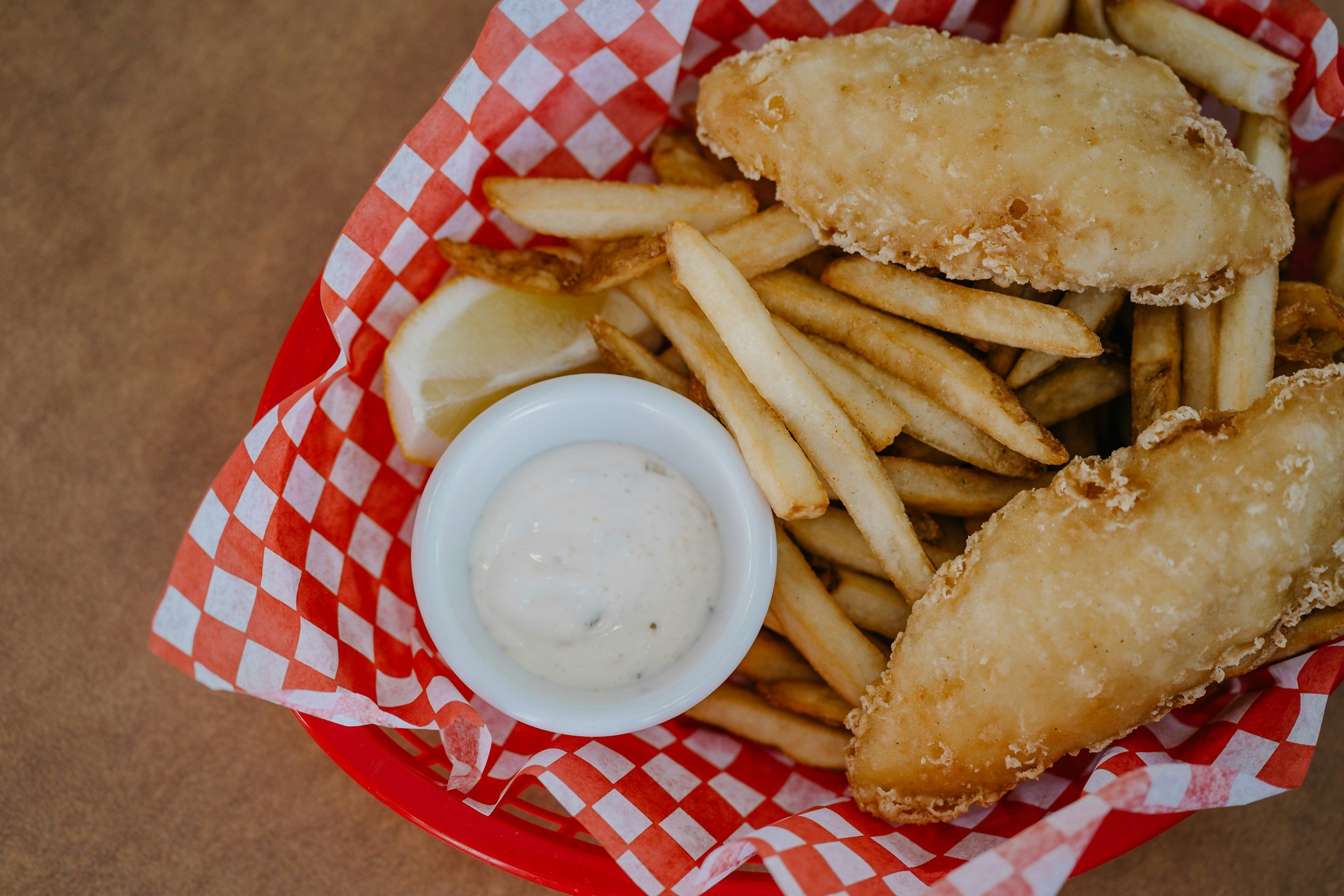
This guide distills the state down to the most iconic, beloved, and atmospheric ones you can actually book a table — organized by region so readers can plan a Friday fish fry close to home or a weekend detour