

Nature Centers in Greater Milwaukee
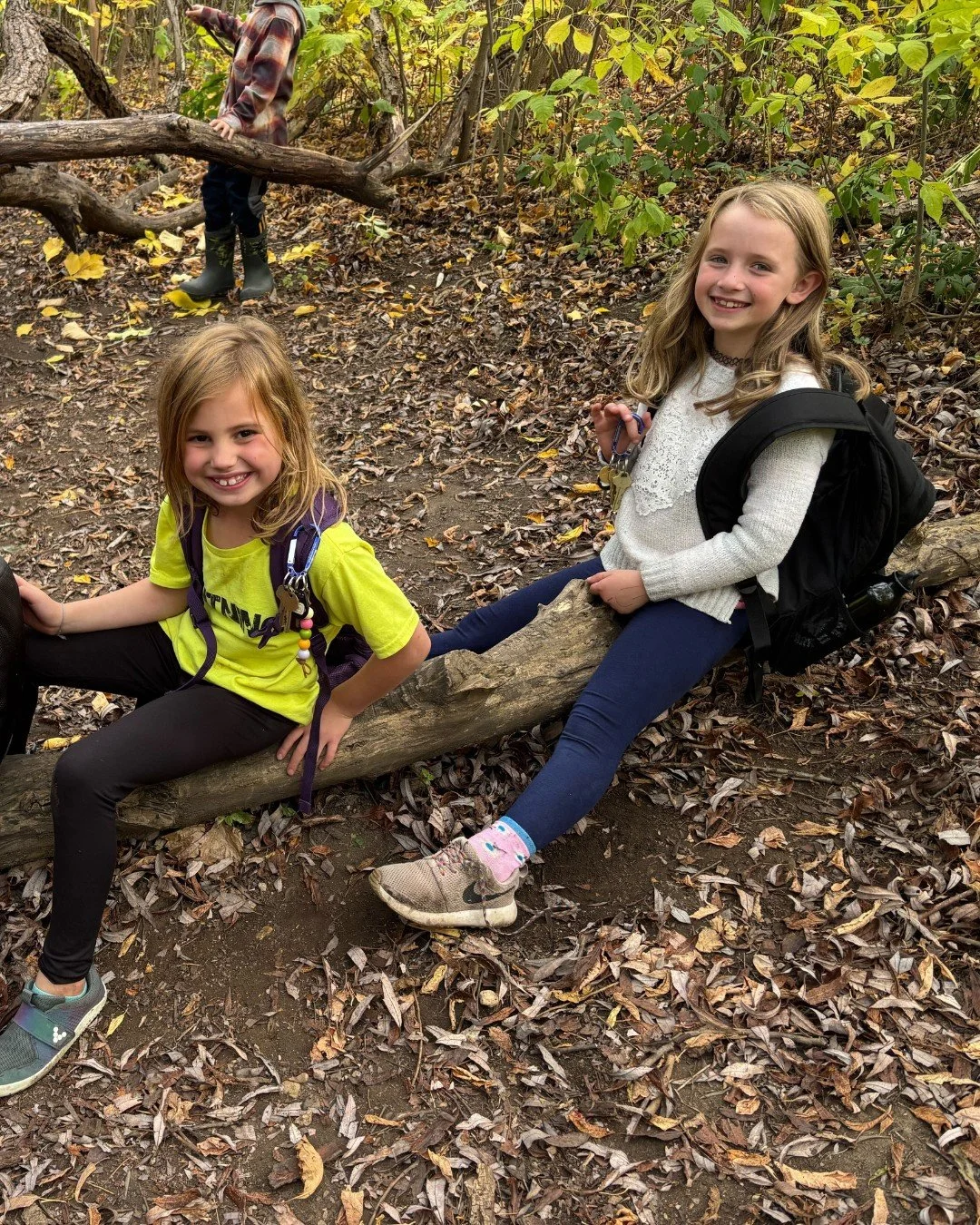
Greater Milwaukee is home to one of the richest collections of nature centers anywhere in the Midwest. Whether your family craves Lake Michigan bluff hikes, hands-on wildlife encounters, or a quiet walk through restored prairie, there is a nature center within 40 minutes of your front door that fits the bill. From the urban magic of the Urban Ecology Center to the wild, 485-acre expanse of Riveredge, these destinations offer year-round programming, free or low-cost admission, and experiences your kids will remember long after the mud has been hosed off their boots.
This guide covers every major nature center and nature preserve in the greater Milwaukee area, with current details on hours, fees, trails, programs, and what makes each one worth the drive. Bookmark it, share it, and start planning your next family adventure.
Urban Ecology Center: three branches, one big mission
The Urban Ecology Center is Milwaukee's homegrown environmental education powerhouse, and nothing else in the region quite compares. Founded in 1991 when Riverside Park neighbors organized cleanups to combat crime and neglect, the UEC has grown from a used double-wide trailer with no running water into a three-branch operation that connects more than 500,000 visitors per year to urban nature across 80-plus acres of restored green space.
The mission is simple: connect people in cities to nature and each other. The model is brilliant. Through a $1-per-year preservation lease with Milwaukee County, UEC manages county parkland using staff and volunteers, transforming neglected urban spaces into thriving ecosystems and outdoor classrooms. Their Neighborhood Environmental Education Project partners with 60 Milwaukee schools for repeated, curriculum-aligned field trips throughout the school year, not one-and-done visits. The research is clear: kids develop lasting connections to nature through repeated exposure, caring mentors, and hands-on experiences. UEC delivers all three.
Admission is free at all three branches. That's right, free. The parks and trails are always open to explore at no cost. Membership in "The Hive" starts at $50 for individuals or $60 for families and unlocks the incredible equipment lending library: kayaks, canoes, bikes, cross-country skis, snowshoes, ice skates, sleds, and camping gear, all free to borrow. Every branch offers cozy indoor spaces with fireplaces, free WiFi, hot cocoa, live animals, and gender-neutral restrooms. Hours at all three branches are Tuesday through Thursday noon to 6 PM, Friday noon to 5 PM, and Saturday 9 AM to 3 PM (closed Sunday and Monday).
Riverside Park: the original branch and headquarters
Address: 1500 E. Park Place, Milwaukee, WI 53211
This is where the story began, and it remains the flagship. The 20,000-square-foot green building opened in 2004 and features a solar array, observation tower, rock-climbing wall, and habitat-themed playground. Riverside Park itself covers roughly 25 acres of wooded land and riparian habitat along the Milwaukee River, and the adjacent Milwaukee Rotary Centennial Arboretum adds another 40 acres of restored land, including one of the most endangered habitats in the United States: an oak savanna. The park is one of only 22 U.S. Forest Service–designated Children's Forests in the nation and was originally designed by Frederick Law Olmsted in 1892.
The standout feature here is the Three Billion Year Walk, a path of nine stunning rock sculptures and cairns leading from the building to the canoe launch on the Milwaukee River. Stone mason Nic Tompkins built the cairns from stones ranging from 390-million-year-old Devonian Dolomite to 3-billion-year-old Nephrite Jade, creating a visual story of Wisconsin's geologic history that kids find genuinely fascinating. The canoe launch puts you right on the Milwaukee River, the Oak Leaf Trail runs through the park, and the resident beavers in the Milwaukee River Greenway have become local celebrities.
Best for: Families looking for an easy, close-to-downtown nature escape with the most amenities. The playground, climbing wall, and indoor live animals make it especially great for toddlers and younger kids. Birdwatchers will enjoy migratory stopovers along the river corridor.
Washington Park: newly reimagined and stunning
Address: 1859 N. 40th Street, Milwaukee, WI 53208
Washington Park is the branch that just got a dramatic upgrade. After a $19.6 million rebuild, the new facility held its grand reopening on February 1, 2025, with more than 1,000 community members in attendance. It is now Milwaukee's first 100-percent electric building, and it's gorgeous. The new space features a soaring observation tower with panoramic views, an indoor slide for getting to the first floor (yes, the kids will lose their minds), and an interactive Ecology Room complete with a giant wheel that takes visitors through Wisconsin's seasons and a display comparing your child's height to five native birds. Community murals by local artists Tia Richardson and Mi Salgado celebrate the neighborhood's connection to nature.
The branch sits within 135-acre Washington Park, the largest green space of any UEC location and another Olmsted-designed gem. The park features a lagoon for fishing and canoeing, orchards, paved paths ideal for strollers and bikes, and abundant wildlife. This location was formerly the site of the Milwaukee Zoo, a fun bit of history for older kids.
Best for: Families with young children who will love the indoor slide and ecology room. The paved paths around the lagoon are ideal for strollers and balance bikes. The brand-new facility is worth a visit even if you've been to other UEC branches before.
Menomonee Valley: the community-rooted south side gem
Address: 3700 W. Pierce Street, Milwaukee, WI 53215
The Menomonee Valley branch tells one of Milwaukee's greatest comeback stories. The building is a converted vacant tavern at 37th and Pierce, and the adjacent Three Bridges Park transformed 24 acres of contaminated rail yard into a nationally recognized urban oasis that now draws more than 50,000 visitors per year. The park won the 2015 Social Impact Award at the National Brownfields Conference and is considered a gold standard in land reuse.
Three Bridges Park offers two-plus miles of walking and biking trails, 42 community garden plots, river access for fishing, canoeing, and kayaking on the Menomonee River, and direct connections to the Hank Aaron State Trail, a 12-mile paved route linking the lakefront to Milwaukee's west end. Inside the building, look for the mosaic mural made by neighborhood children, the snake-shaped door handle, and an exposed wall from the original tavern with a lumber company name still visible.
This branch has an especially strong connection to the surrounding Latino community, offering bilingual programs and Caminatas, a weekly Spanish-language walking group. The Urban Candlelight Hike every February illuminates two miles of trails, and Summit Players Theatre performs Shakespeare in the park each July.
Best for: Families who want a more adventurous urban nature experience with river access. The Hank Aaron State Trail makes it perfect for biking families. The community gardens are a wonderful way to get kids involved in growing food. Steelhead runs in spring and salmon runs in fall make it a surprisingly good urban fishing destination.
Schlitz Audubon Nature Center: Lake Michigan views and raptors
Address: 1111 E. Brown Deer Road, Milwaukee, WI 53217
Website: schlitzaudubon.org
Hours: Daily 8:30 AM to 5:00 PM (closed Thanksgiving, Christmas Eve, Christmas, and New Year's Day)
Admission: Adults $10, ages 3–17 $7, under 2 free, military $7, members free
Family membership: $80 per year
If you could visit only one nature center in the Milwaukee area, Schlitz Audubon would be on the shortest of shortlists. Spread across 185 acres on the western shore of Lake Michigan, this center packs dramatic bluffs, ravines, forests, restored prairies, wetlands, and a stunning shoreline into a single property. Six miles of trails wind through nearly every landform and ecological community found in southeastern Wisconsin, and the 60-foot observation tower rising above the tree canopy delivers panoramic views of the lake, especially spectacular in autumn.
The history is irresistible. This land was once called Nine Mile Farm, nine miles from the Schlitz Brewery in downtown Milwaukee, where draft horses that pulled Schlitz beer wagons were pastured. When Prohibition and automobiles rendered the horses obsolete, the land sat quietly until brewery founder's granddaughter Dorothy Vallier and a group of determined women fought to prevent it from becoming condos or a golf course. The property was donated to the National Audubon Society in 1971. Today's Dorothy K. Vallier Environmental Learning Center, completed in 2003, was the first LEED Gold–certified new building in Wisconsin.
The Raptor Program is a crown jewel. Schlitz Audubon is home to 15 birds of prey, including Bald Eagles, hawks, owls, and falcons. A live raptor is on display outside the Visitor Center from 10 AM to 3 PM daily, and the "Word with a Bird" program runs every Saturday and Sunday from 1 to 2 PM. The first Saturday of each month is Raptor Day. For kids who love raptors, this is heaven.
Mystery Lake, excavated in 1987, has a wheelchair-accessible boardwalk trail perfect for younger kids and strollers. It's home to frogs, turtles, waterfowl, and muskrats and requires no hills or challenging terrain. At the other end of the experience spectrum, the Lake Terrace Trail follows the bluffs with sweeping Lake Michigan views and is rated 4.7 stars on AllTrails. In winter, the ice formations along the shore, sometimes called "ice volcanoes," are otherworldly.
Schlitz Audubon's Nature Preschool, founded in 2003, was the first nature preschool in Wisconsin and has become a national model. With 160 students, a 1:8 teacher-student ratio, and children spending at least half their class time outdoors year-round, it earned a 2019 U.S. Department of Education Green Ribbon School designation. Sesame Street has consulted with the program. Summer camps run weekly with creative themes like Reptile Adventures, Wild Kratts, and Harry Potter Creatures, typically priced around $190 for members and $225 for non-members.
The center has documented 238 to 252 bird species and is designated an Important Bird Area due to its Lake Michigan habitat for waterfowl. Birders consider it a premier destination for spring and fall warbler migration and winter duck concentrations. The SPARK! Program, now in its seventh year, serves people experiencing cognitive changes alongside their care partners, and Schlitz Audubon After Dark events offer adults-only evening experiences.
Best for: Birders of all levels, families who want the "wow factor" of Lake Michigan views, raptor enthusiasts, and families considering nature preschool. The Mystery Lake boardwalk is ideal for toddlers and mobility-impaired visitors, while the bluff trails challenge older kids and adults.
Seasonal highlights: Spring warbler migration (May), summer raptor programs and camps, fall foliage from the observation tower, winter ice formations and duck concentrations along the shoreline.
Riveredge Nature Center: 485 acres of wild Wisconsin
Address: 4458 County Highway Y, Saukville, WI 53080
Website: riveredgenaturecenter.org
Hours: Visitor Center Monday through Friday 8:30 AM to 4:30 PM, Saturday 9 AM to 4 PM (5 PM in summer), buildings closed Sundays. Trails open dawn to dusk, 365 days a year.
Admission: Adults $5, children 4–13 $2, under 3 free, family day pass $15, members free
Family membership: $75 per year
Riveredge is the place to go when your family needs to feel truly immersed in nature. Located about 35 to 40 minutes north of downtown Milwaukee near the village of Newburg, this 485-acre preserve is the largest of the region's dedicated nature centers and feels genuinely rural. The property wraps around 1.5 miles of Milwaukee River frontageand contains an astonishing range of habitats: seven types of deciduous forest, 28 acres of prairie, a rare fen, several wet meadows, six ponds, a cold-water creek with extraordinary water quality, and two State Natural Areas. More than 580 plant species and 168 bird species have been documented here, along with rare finds like the rusty patched bumblebee, swamp metalmark butterfly, and star-nosed mole.
The signature experience is the 400-tree sugarbush and the nearly 50-year tradition of maple sugaring. The brand-new Sugarbush House, opened in 2019, showcases the sap-to-syrup process, and the annual Maple Sugarin' Festival each March is a beloved tradition with pancake breakfasts and hands-on demos. Riveredge produces and sells its own maple syrup.
Equally remarkable is the Lake Sturgeon Reintroduction Project, a 20-to-25-year partnership with the Wisconsin DNR. Riveredge raises and releases approximately 1,500 young lake sturgeon per year into the Milwaukee River, and more than 20,000 sturgeon have grown up at the facility to date. The annual Sturgeon Fest draws more than 2,300 visitors and gives kids a chance to participate in genuine species restoration. The center also runs a Swamp Metalmark Butterfly Reintroduction Project and MAPS bird banding for ongoing citizen science.
Over 10 miles of color-coded trails wind through the property, with the Riveredge Red Loop covering 3.4 miles at an easy pace. Snowshoeing is popular in the designated Mayhew Woods area, and free snowshoe use is included with membership. An all-terrain outdoor wheelchair is available by reservation.
One of Riveredge's most distinctive offerings is The Riveredge School, a tuition-free public elementary charter schoolauthorized by the Northern Ozaukee School District and located right on the property. All enrolled families receive a free all-access family membership. This is not a preschool but a full elementary school with a nature-based, inquiry-driven curriculum. The Tree Climbing Club, exclusive to members and led by trained facilitators with harnesses, is the kind of program kids beg to repeat.
Other family favorites include the Yule Log Dinner and Hunt in December (a highly popular holiday tradition), the FROTHY FORAGE Beverage Fest in May, and birthday parties that can include fishing at the catch-and-release pond near "The Farm." Fourth graders and their families can get a free membership through a special program running from the summer before through the summer after fourth grade.
Best for: Families seeking a wilder, more immersive nature experience. Outstanding for school-age kids who are ready for longer hikes and hands-on science. Birders, citizen science enthusiasts, and homeschool families will find deep programming here. The rural setting rewards families willing to make the drive.
Seasonal highlights: Maple Sugarin' Festival (March), Sturgeon Fest (annual), spring wildflowers and birding, summer camps and river exploration, spectacular fall foliage on 10-plus miles of trails, Yule Log Dinner and Hunt (December), winter snowshoeing.
Mequon Nature Preserve: the largest urban green space in SE Wisconsin
Address: 8200 W. County Line Road, Mequon, WI 53097 (main entrance; additional parking at 10000 W. Swan Road and 8275 W. Donges Bay Road)
Website: mequonnaturepreserve.org
Hours: Trails free and open sunup to sundown, 365 days. PieperPower Education Center open Monday through Friday, roughly 9 AM to 3 PM (April through October) and 10 AM to 2 PM (November through March). Closed weekends and holidays.
Admission: Completely free, always. No admission fees for trails or the education center. Funded entirely by grants and donations with no tax dollars.
At 510 acres, Mequon Nature Preserve is southeastern Wisconsin's largest protected urban green space, and it is 100 percent free to visit. That alone makes it remarkable. But what really sets this place apart is the living restoration story unfolding across the property. Formerly agricultural land, the preserve is being methodically converted back to its pre-European-settlement ecosystems: roughly 200 acres of native prairie supporting more than 150 wildflower and grass species, over 50 acres of restored wetlands, and remnant beech-maple forests that predate European contact. Thousands of native trees and shrubs are planted every year, and visitors can see the transformation in real time.
Six-plus miles of trails run through all three ecosystems, with surfaces ranging from crushed stone to boardwalk to grass. Most trails are ADA-compliant, and the preserve offers two free all-terrain wheelchairs ("The Rig" and "Grit") with winter ski attachments. A 40-foot observation tower about a mile from the main parking lot is equipped with free telescopes and offers panoramic views, including the Milwaukee skyline on clear days.
The PieperPower Education Center is a 12,000-square-foot facility that provides free hands-on science field trips to more than 5,000 K-12 students annually. The preserve also hosts a Fondy Food Center partnership, providing 40 acres to 25 immigrant and local farmers growing more than 100 different crops, a beautiful intersection of agriculture, biodiversity, and community that's unique among Milwaukee-area nature centers.
For families, Marty's Playspace behind the Education Center offers a natural play area built entirely from locally sourced materials: green and white ash logs, climbing structures, and a hammock station. "Nothing plastic, nothing flashy, just pure outdoor fun" is how the preserve describes it. Adventure backpacks with tools, guides, and activities are available for families, and free snowshoe rentals are offered Monday through Friday when snow cover allows.
An important practical note: dogs are welcome on leash at Mequon Nature Preserve, making it one of the few major nature centers in the area where the whole family, four-legged members included, can explore together. A June 2024 BioBlitz with the Milwaukee Public Museum documented an astonishing 1,042 species in 24 hours, and the preserve employs Wisconsin's first on-staff conservation dogs, Tilia and Timber.
Best for: Dog owners, families seeking a free and spacious outdoor experience, anyone who wants to witness ecological restoration in progress. The flat, accessible trails are great for strollers, balance bikes, and beginning hikers. Photographers love the observation tower and wetland boardwalks.
Seasonal highlights: Spring wildflower bloom in the prairies, summer field trips and family programs, fall prairie grasses turning gold, winter snowshoeing with free equipment.
Wehr Nature Center: five habitats and 50 years
Address: 9701 W. College Avenue, Franklin, WI 53132
Website: wehrnaturecenter.com (Friends of Wehr: friendsofwehr.org)
Hours: Visitor Center open 8:30 AM to 4:30 PM daily (closed select holidays). Trails open dawn to dusk year-round. Parking lot locked 5 PM to 8 AM from October through January.
Admission: No admission fee for the building or trails. $5 parking fee per vehicle (free for Friends of Wehr members; free parking on the last Thursday of every month).
Tucked within the 660-acre Whitnall Park, Milwaukee County's largest park, Wehr Nature Center has been a quiet cornerstone of environmental education since 1974. The center manages 220 acres containing five distinct habitat typeswithin easy walking distance of each other: southern dry-mesic forest with sugar maples and shagbark hickories, oak savanna, tallgrass prairie (created in the 1960s with seed collected from the famous Curtis Prairie in Madison), wetlands, and Mallard Lake, a 15-to-20-acre man-made lake with a picturesque waterfall flowing into the Root River. The lake, built by the Civilian Conservation Corps in the 1930s, has an accessible viewing deck and pier.
The nature center building, constructed of native stone and wood, houses live resident reptiles (snakes, turtles, lizards, salamanders), a working indoor beehive, aquaponics displays, natural history exhibits, a warming fireplace, and the Friends of Wehr Nature Store. Binoculars and snowshoes are available to borrow, and the center's Ability Cornerprovides free accessibility aids including canes, wheelchairs, rollator walkers, hearing and seeing devices, and sensory bags. Three all-terrain wheelchairs are also available at no charge through a partnership with Access Ability Wisconsin.
Wehr's Maple Sugar Days have run for 47 years (as of 2026) and are a rite of spring for Milwaukee-area families. The guided hike through the sugar camp, boil-down demonstration, and pancake breakfast typically cost $12 per person. Cider Sunday in the fall is the Friends of Wehr's biggest fundraiser, featuring live music, apple treats, live animal presentations, a Story Stroll, and Leaf Hunt and Hike. Owl Prowls on winter evenings search for Great Horned Owls and Eastern Screech Owls, and Brews and Snowshoes pairs guided snowshoe hikes with craft beer sampling.
For younger kids, the NatureNauts program serves ages 2 to 3 and 4 to 6 with nature exploration, songs, stories, art, and snacks. The Early Childhood Playspace, dedicated in memory of Carol Block, features a sandbox, stepping stones, log cabin playhouse, and mud table. Over 200 bird species have been documented, making it a reliable birding spot with highlights including warblers, Baltimore Orioles, Indigo Buntings, and Pileated Woodpeckers.
A crucial logistical note: dogs are not allowed on Wehr Nature Center trails. This is a wildlife preserve, and signs are posted.
Wehr sits adjacent to Boerner Botanical Gardens, which occupies the same Whitnall Park footprint and offers 12 formal gardens plus the delightful three-acre Margie's Children's Garden with its "enchanted village." Combining Wehr and Boerner into a single day trip is one of the best family outings in the Milwaukee area.
Best for: Families with toddlers through elementary age who want indoor exhibits and outdoor trails in one visit. The NatureNauts program and Early Childhood Playspace are specifically designed for little ones. Birders, accessibility-focused visitors, and tradition-loving families who come back for Maple Sugar Days every March.
Seasonal highlights: Maple Sugar Days (March), spring wildflowers and woodcock displays, summer guided hikes and naturalist programs, Cider Sunday (fall), Owl Prowls and Brews and Snowshoes (winter).
Havenwoods State Forest: Wisconsin's only urban state forest
Address: 6141 N. Hopkins Street, Milwaukee, WI 53217
Website: dnr.wisconsin.gov/topic/parks/havenwoods (Friends: friendsofhavenwoods.org)
Hours: Grounds open daily 6 AM to 8 PM. Environmental Awareness Center open Tuesday through Saturday 8:30 AM to 4 PM, closed Sunday and Monday.
Admission: Completely free, no state park sticker required.
Havenwoods holds a title no other Wisconsin property can claim: it is the state's only urban state forest. Its 237 acres within Milwaukee city limits have lived many lives: Native American hunting ground, farmland, Milwaukee County House of Correction, World War II prisoner-of-war camp, Cold War Nike Ajax missile base, and finally, thanks to determined community activists, a state forest established in 1980. That layered history adds texture to every visit.
The property features six-plus miles of trails through grasslands, woods, wetlands, an urban arboretum, and four ponds, with a 120-foot bridge spanning the wetlands. The Environmental Awareness Center includes an auditorium, classrooms, seasonal displays, and live reptile and amphibian exhibits. Visitors can borrow binoculars, field guides, GPS units, backpacks, and snowshoes at no cost.
The annual MOHEE (Midwest Outdoor Heritage Education Expo) each May gives 700-plus students the chance to rotate through 25-plus activity stations including archery, fishing, kayaking, and wildlife identification. Winter Break MKE in February offers dog sled demonstrations and free outdoor activities. With more than 100,000 annual visitorsand a full-time DNR educator on staff, Havenwoods is one of Milwaukee's most important bridges between urban communities and the natural world. Pets are welcome on leash.
Best for: Milwaukee families, especially those without easy car access to suburban nature centers. Flat, easy trails are perfect for beginners, strollers, and young hikers. Free programs and no admission make it supremely accessible.
Retzer Nature Center: prairies, planetarium, and a story hike
Address: S14 W28167 Madison Street, Waukesha, WI 53188
Website: waukeshacounty.gov/parks-and-land-use/parks-and-recreation/retzer-nature-center/ (Friends: friendsofretzer.org)
Hours: Grounds sunrise to 10 PM year-round. Learning Center Monday through Friday 8 AM to 4:30 PM, Saturday 10 AM to 3 PM, closed Sunday.
Admission: Free.
About 30 minutes west of Milwaukee in Waukesha, Retzer Nature Center spreads across 450-plus acres of prairie, woodland, and wetland. It is part of the Waukesha County Parks system and is entirely free to visit. The center's most distinctive feature is the Horwitz-DeRemer Planetarium inside the Environmental Learning Center, offering shows that pair beautifully with an outdoor nature visit.
The Discovery Trail features sensory-based "Exploration Stations" designed for outdoor education and STEM activities, and the Story Hike on the Orange Trail places an illustrated children's book along a 0.75-mile path, turning a simple walk into a reading adventure. Over 200 bird species have been recorded, and the Benjamin F. Goss Bird Club meets monthly from September through April. The annual Apple Harvest Festival on the third Saturday in September and the Winter Janboree in late January with guided night hikes and planetarium shows are family favorites.
Best for: Families with kids who love space and science (planetarium), beginning hikers, and birders. The Story Hike is ideal for preschool and early-elementary children. No dogs allowed.
Lion's Den Gorge Nature Preserve: the best bluffs near Milwaukee
Address: 511 High Bluff Drive, Grafton, WI 53024
Website: ozaukeecounty.gov/662/Lions-Den-Gorge-Nature-Preserve
Hours: Sunrise to sunset, year-round.
Admission: Free.
With a 4.7-star rating from nearly 2,700 AllTrails reviews, Lion's Den Gorge is the most popular park in the Ozaukee County system, and for good reason. This 73-acre preserve protects one of the last half-miles of undeveloped, 90-to-100-foot bluffs along the Lake Michigan shoreline. A 2.1-mile loop of gravel and boardwalk trails winds through white cedar and hardwood forests, wetlands, and the gorge itself, culminating in a massive staircase descending through layers of cedar forest to the Lake Michigan shore.
During peak spring migration in May, birders can spot 20-plus warbler species within a short walk from the parking lot. In May 2024, a varied bunting was spotted here, marking the first state record for that species. The adjacent 44-acre Waterfowl Production Area adds habitat, and the new pavilion built in 2023 provides a welcome rest stop.
Best for: Families with kids old enough for stairs and moderate hiking (ages 4 and up), birders, photographers. Dogs welcome on leash. Warning: the parking lot fills up fast on nice weekends. Arrive early.
Grant Park and Seven Bridges Trail: Milwaukee County's hidden gem
Address: 100 Hawthorne Avenue, South Milwaukee, WI 53172
Admission: Free.
The Seven Bridges Trail in Grant Park is regularly named one of Wisconsin's best fall hikes and earns that reputation. This two-mile loop winds through deep, wooded ravines on unpaved stone paths, stone staircases, and numerous footbridges (there are actually 10, despite the name) built by the WPA and CCC in the 1920s and '30s. The ravines shelter old-growth American Beech, Maple, and Yellow Birch, and spring brings carpets of Trout Lilies, Jack-in-the-Pulpits, and Trilliums. The trail emerges at a relatively secluded Lake Michigan beach.
Grant Park covers roughly 380 acres and also offers a golf course, Ferch's Beachside Grill (with a Friday-night summer music series), and the historic 1917 Wulff Lodge available for youth group overnight stays. The trail can be slippery and is sometimes closed in winter, so check conditions before visiting in icy months.
Best for: Families with school-age kids and adults who love a good ravine hike. The stone bridges and staircases feel like an adventure. Not ideal for strollers or very young walkers. Peak magic happens during fall foliage and spring wildflower season.
Cedarburg Bog: southeastern Wisconsin's rarest landscape
Location: Ozaukee County, near Saukville (access points off Highway 33 and Cedar-Sauk Road)
Website: dnr.wisconsin.gov/topic/statenaturalareas/CedarburgBog (Friends: bogfriends.org)
Admission: Free (State Natural Area).
The Cedarburg Bog is not a nature center in the traditional sense, but it is one of the most ecologically significant landscapes in southeastern Wisconsin and deserves a place on every nature-loving family's radar. At roughly 2,200 acres including the 245-acre Mud Lake, it is the most intact large bog in the region. Designated a State Natural Area in 1952 (only the second property in the state to receive this status), a National Natural Landmark, a Wetland Gem, and an Important Bird Area, the bog contains a rare "string" or "patterned" bog with ridges of stunted cedar and tamarack in open sedge mat, a formation that normally exists far to the north.
The bog shelters carnivorous plants like pitcher plants, sundew, and bladderwort, along with bog orchids and other species adapted to this unique environment. Public access is limited: the north access point off Highway 33 leads to a trail and pier on Watts Lake, while the interior boardwalk managed by the UW-Milwaukee Field Station is closed to the public except for special events. The Friends of the Cedarburg Bog organize guided tours and the beloved annual Winter Hike each February, when 100-plus hikers trek across the frozen bog to areas normally inaccessible.
Best for: Curious families willing to join an organized outing, serious naturalists, birders. This is not a drop-in destination for casual visitors. The winter hike is the single best way to experience the bog with kids, weather permitting.
More nature destinations worth knowing about
Lapham Peak at Kettle Moraine State Forest
Located about 25 miles west of Milwaukee off I-94, Lapham Peak offers nearly 1,000 acres of glaciated terrain with a 45-foot observation tower atop the highest point in Waukesha County (1,233 feet). The views stretch across southeastern Wisconsin to the Milwaukee skyline and into northern Illinois. More than 25 miles of hiking trails include a segment of the Ice Age National Scenic Trail, and in winter, 17 miles of groomed cross-country ski trails include a 2.5-mile lighted loop for night skiing. The new Lapham Lodge opened in May 2025. A Wisconsin state parks vehicle sticker is required.
Harrington Beach State Park
Roughly 35 miles north of Milwaukee near Belgium, Harrington Beach combines 715 acres, a mile-plus of Lake Michigan beach, a scenic 26-acre quarry lake, and the ruins of the Stonehaven company town from the 1890s. The Jim and Gwen Plunkett Observatory with its 20-inch telescope offers monthly public viewings. A 69-unit campground makes it an excellent overnight family destination. State parks sticker required.
Lakeshore State Park
Wisconsin's only urban state park sits right on Milwaukee's lakefront adjacent to Discovery World and the Summerfest grounds. Its 22 acres feature a 1.7-mile paved trail connecting to the Hank Aaron State Trail, restored prairie, a pebble beach, and a fishing pier. Admission is free with no vehicle sticker required. It's a great add-on to a downtown Milwaukee day rather than a destination for deep nature exploration.
Doctors Park
Adjacent to Schlitz Audubon in Fox Point, this 49-acre Milwaukee County park features beech-maple woods cascading down steep ravines to one of the county's most secluded beaches. With 215 documented bird species, it's a serious birding spot. The steep descent to the beach limits accessibility but adds adventure for older kids.
Boerner Botanical Gardens
Sharing Whitnall Park with Wehr Nature Center, Boerner offers 12 formal gardens and the three-acre Margie's Children's Garden, an enchanted village with a playhouse, fiddlehead path, twig hut, and pollinator garden. Open late April through early November with paid admission during garden season. Combining Boerner and Wehr makes a full family day.
Ozaukee Washington Land Trust preserves
The OWLT (now called Restoring Lands) manages over 7,000 conserved acres across multiple free, publicly accessible preserves in Ozaukee, Washington, and Milwaukee counties. Highlights include the 283-acre Biehl Nature Preserve with 53-acre Lake Twelve, the Forest Beach Migratory Preserve along Lake Michigan, and several Milwaukee River properties. All are free and open to the public.
How to choose the right nature center for your family
Picking the right nature center depends on what your family needs on a given day. Here's how to think about the options.
For toddlers and preschoolers, start with Wehr Nature Center (NatureNauts program, Early Childhood Playspace, indoor live animals), Urban Ecology Center Washington Park (indoor slide, ecology room, paved paths), or Mequon Nature Preserve (Marty's Playspace, flat accessible trails, free adventure backpacks). All three offer low-barrier, high-engagement experiences for the youngest explorers.
For school-age kids ready for real adventure, Riveredge delivers with 10-plus miles of trails, sturgeon releases, maple sugaring, tree climbing, and a catch-and-release fishing pond. Schlitz Audubon captivates with live raptors, the observation tower, and Lake Michigan bluffs. Lion's Den Gorge offers the thrill of descending a massive staircase through cedar forest to the lake shore.
For serious birders, the hierarchy is clear: Schlitz Audubon (238-plus species, Important Bird Area, raptor program), Lion's Den Gorge (20-plus warbler species in May, rare sightings), Riveredge (168 species, bird banding programs), and Doctors Park (215 species, adjacent to Schlitz Audubon).
For dog owners, your options narrow but remain strong: Mequon Nature Preserve (leashed dogs welcome on 510 acres of trails), Havenwoods State Forest (dogs on leash), and Lion's Den Gorge (dogs on leash). Most other nature centers prohibit dogs.
For accessibility needs, Mequon Nature Preserve and Wehr Nature Center both offer free all-terrain wheelchairs and ADA-compliant trails. Schlitz Audubon's Central Wetlands Loop and Mystery Lake boardwalk are fully wheelchair accessible. Riveredge also has an all-terrain wheelchair available by reservation.
For a rainy-day backup plan, head to a center with strong indoor exhibits: Wehr (live animals, beehive, aquaponics), Schlitz Audubon (interactive exhibits, raptor viewing, nature store), or Urban Ecology Center Riverside Park (live animals, climbing wall, warm drinks by the fire).
A season-by-season family plan
Spring is migration season. Hit Schlitz Audubon or Lion's Den Gorge in May for warblers. Take the kids to Wehr or Riveredge for Maple Sugar Days in March. Watch the prairies come alive at Mequon Nature Preserve.
Summer means camps everywhere. UEC, Schlitz Audubon, Riveredge, Wehr, and Retzer all run weekly summer camps. Borrow kayaks and bikes through UEC membership. Fish the Menomonee River at UEC Menomonee Valley. Catch Shakespeare in the park at Three Bridges in July.
Fall demands a Seven Bridges Trail hike at Grant Park for peak foliage. Climb the observation towers at Schlitz Audubon and Mequon Nature Preserve when the colors turn. Attend Cider Sunday at Wehr. Watch prairie grasses go golden across Mequon's 200 acres.
Winter transforms these spaces. Join the Cedarburg Bog frozen winter hike in February. Walk the Urban Candlelight Hike at UEC Menomonee Valley. Snowshoe for free at Mequon, Riveredge, or Wehr. Watch ice formations along the Lake Michigan shore at Schlitz Audubon. Attend the Yule Log Dinner and Hunt at Riveredge in December. Hit Lapham Peak for the best groomed cross-country skiing in the region.
Milwaukee's nature centers are a regional treasure
What makes the greater Milwaukee nature center ecosystem so remarkable is not any single location but the breadth and diversity of the collection. Within a 40-minute drive of downtown, families can access a combined 2,000-plus acres of protected land across centers that range from a converted tavern on a former brownfield to a 485-acre rural preserve raising endangered sturgeon. Every center is either free or charges modest fees. Most run year-round programming for every age group. Several have pioneered nationally recognized models in nature-based education, green building, and urban land restoration.
These are not static museums. They are living landscapes being actively restored, studied, and shared with the community. UEC's $42.5 million Imagine Campaign is expanding capacity across all branches. Mequon Nature Preserve is converting hundreds of acres of farmland back to prairie and forest in real time. Riveredge has released 20,000 sturgeon into the Milwaukee River and counting. Every visit supports this work.
Pack the boots, grab the binoculars, leash the dog (where allowed), and get outside. Milwaukee's nature centers are waiting.


Everything families need to know about Seven Bridges Trail in Grant Park — trails, bridges, Lake Michigan beach access, wildflowers, tips for kids, and what to do nearby in Milwaukee.