

Historic Whitefish Bay: How One Resident is Sharing Local Stories
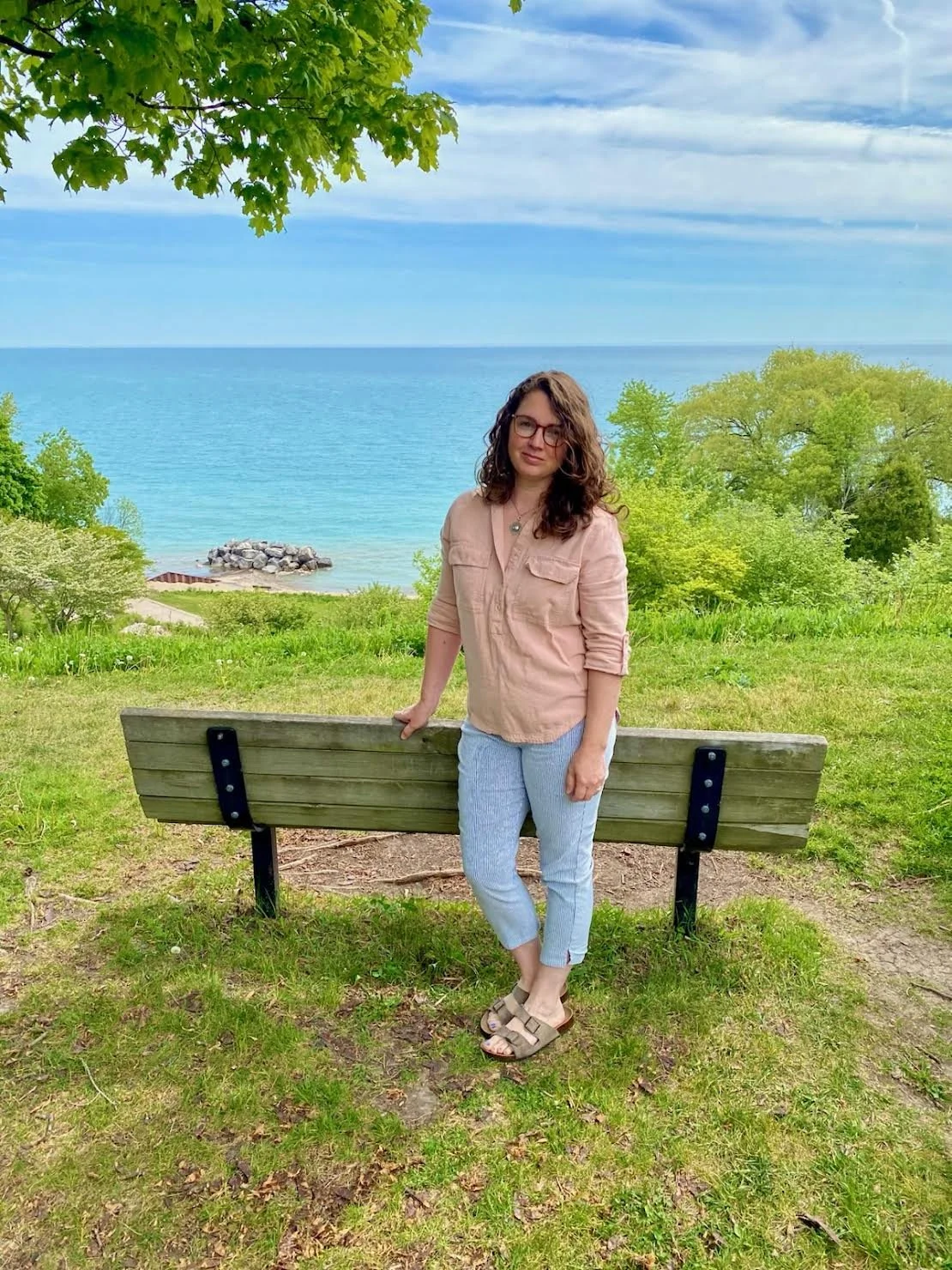
Anna Drewes Brown is making Whitefish Bay’s history visible
Whitefish Bay is full of familiar places: Klode Park, Silver Spring Drive, Lake Drive and the neighborhood streets families walk every day.
But behind those places are stories many residents may not know.
That is what Anna Drewes Brown hopes to change.
After moving to Whitefish Bay in the summer of 2024, Anna brought with her a lifelong love of history, architecture and preservation. She had spent 15 years in Ohio conserving and restoring paintings, and she grew up in a family that cared deeply about saving local history. Her mother was involved in a small village historical society, and Anna remembers being taken to see historic architecture that was being demolished.
That early exposure stayed with her.
When Anna joined the Village of Whitefish Bay's Historic Preservation Commission, she began learning more about the village's history — and also realized how much of that history was not easy for residents to find online.
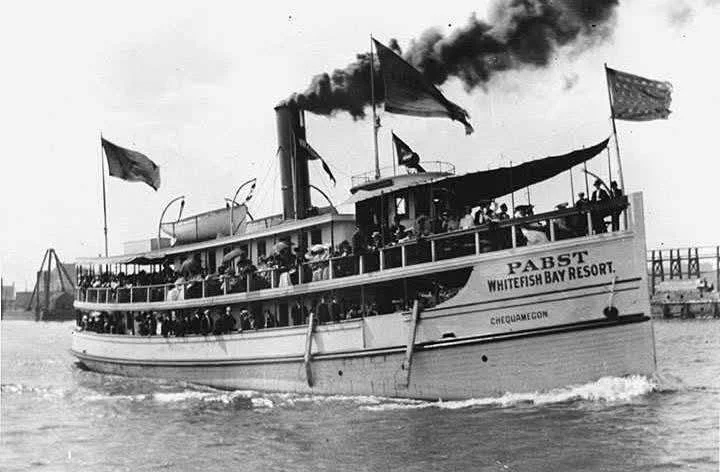
"There is so much more to the village than that one piece of its history," she said, referring to the often-discussed Pabst Resort era.
That realization helped inspire her to start a Facebook page dedicated to Whitefish Bay history.
A Starting Point for Local History
For Anna, the page is not meant to be the final word on Whitefish Bay history. It is a starting point.
She hopes it can eventually become part of a broader online presence for a reestablished village historical society, giving residents a place to learn, share, ask questions and contribute family stories, photos and documents.
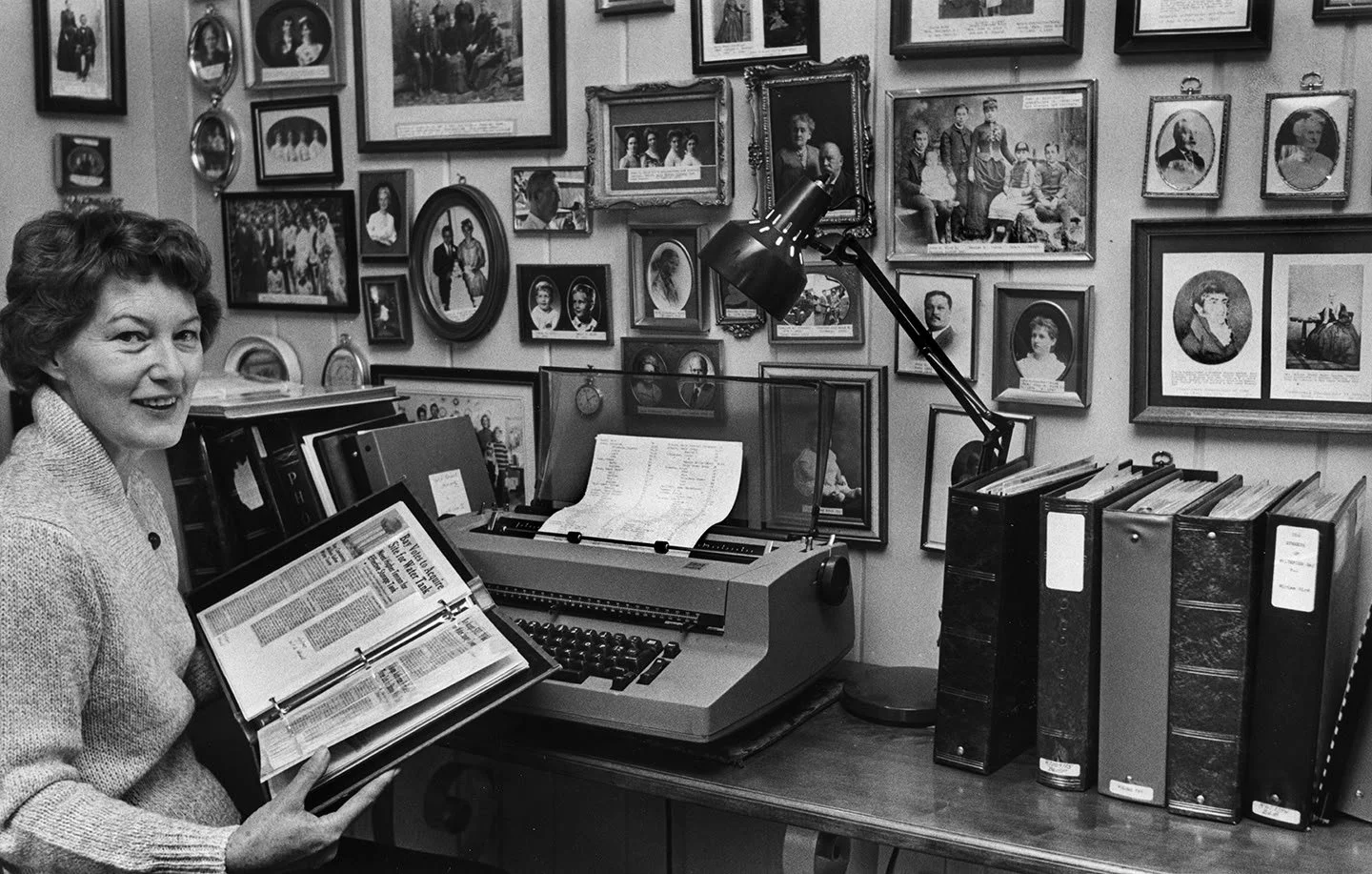
The need felt especially clear once she discovered that while Mimi Bird's extensive local history work is available through the library and online, many residents may not know where to look. (If you want to explore the building that houses many of those records, here's our guide to things to do at the Whitefish Bay Public Library and a look at the library's own history.)
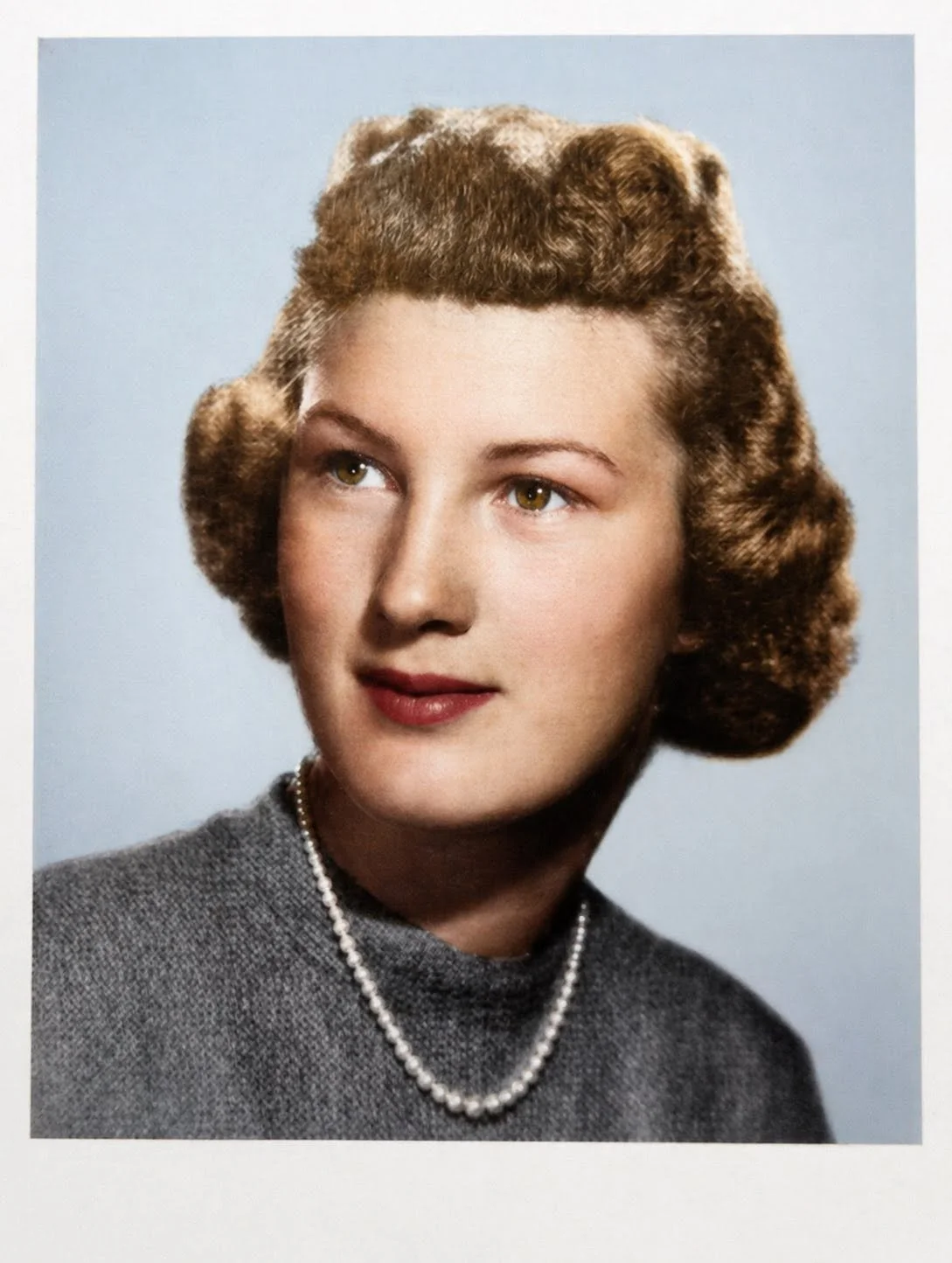
Mimi Bird's work has become one of her most important sources.
"Mimi took incredible initiative in preserving our past," she said. "About 90% of what I write about comes from her note-taking and organization of the village history."
For families, that means there is a deep local archive waiting to be rediscovered — not just by historians, but by neighbors, parents, kids and anyone curious about the places around them.
Stories Behind Familiar Places
One of the most compelling parts of Drewes' work is the way she connects everyday Whitefish Bay landmarks to a deeper story.
Klode Park, for example, is not just a lakefront park. Anna points out that it exists because Frank Klode briefly resigned as village president in order to complete a deal to sell the land to the village for $103,000. (Today the park is one of the village's favorite gathering spots — see our guides to Klode Park Beach and the Klode Park beer garden.)
Cahill Park has its own hidden history, too. Anna notes that the area was once connected to the railroad that ran through Whitefish Bay along Marlborough Drive before 1929. (For a look at what's happening there now, we've covered the upgrades to Cahill Park.)
Schoolhouse Park is another easy place for families to connect kids with local history. The park includes historic signage about the first school that once stood there — and Anna said the desire for a good school was one of the reasons Whitefish Bay became a village in the first place.
For families who want to take a history walk, Anna recommends starting near Beaumont and the 5600 block of Santa Monica Boulevard, then walking toward Lake View, Consaul Place and back to Beaumont. Along the way, families can see several historic homes connected to early Whitefish Bay pioneers, including the Consaul family. (If the street names along the route make you curious, we dug into what Whitefish Bay's street names actually mean.)
"These are great examples of Farmhouse architecture," she said, noting that many have retained much of their original charm. (For more on the village's oldest buildings, see our look at Whitefish Bay's historic houses.)
Learning From What Has Been Lost
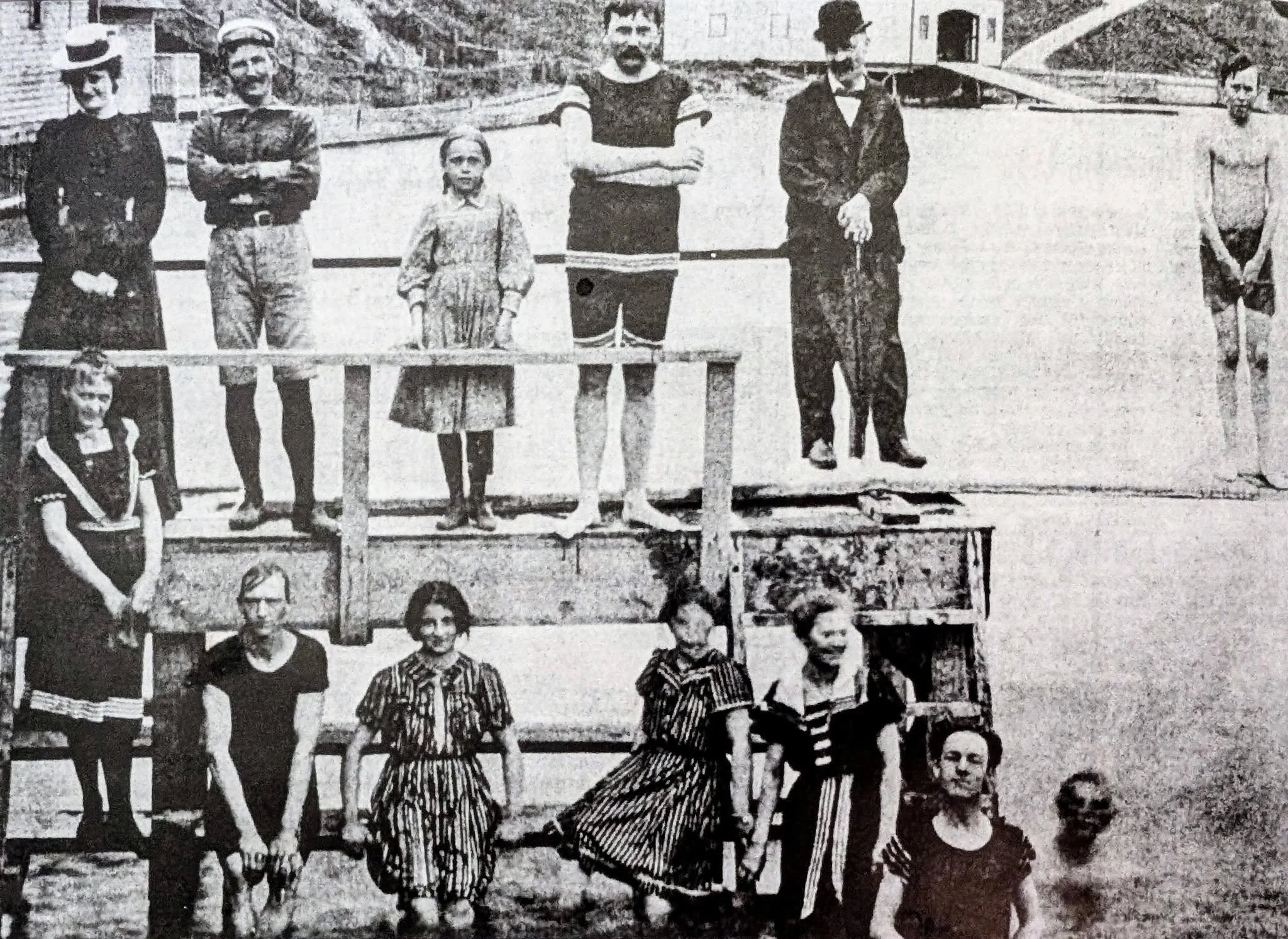
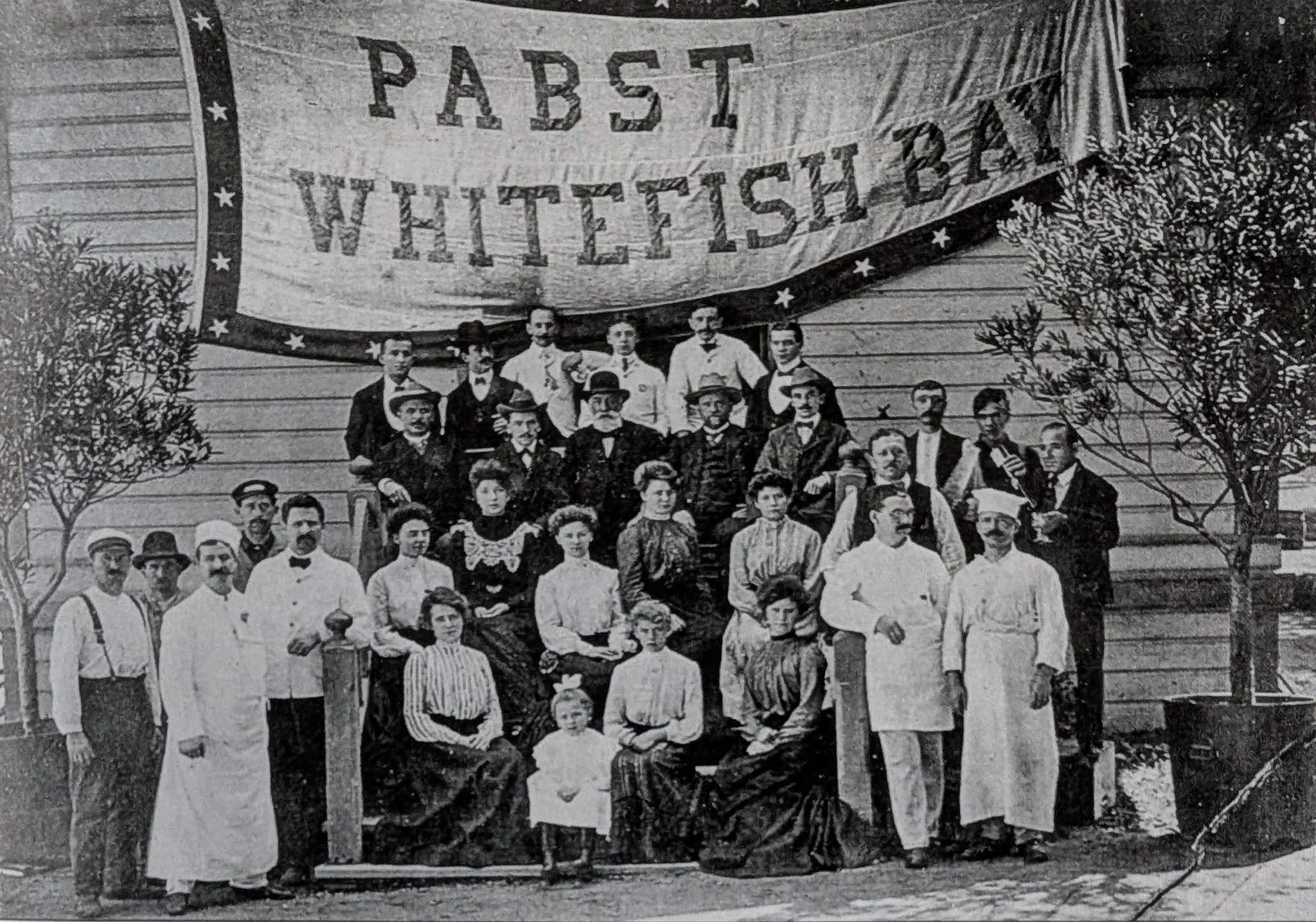
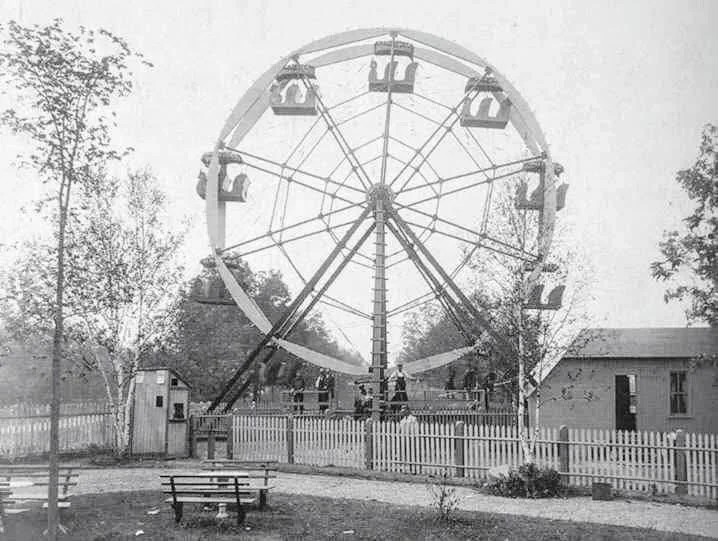
Anna is especially struck by the history of demolition in Whitefish Bay.
The sudden closing and demolition of the Pabst Resort surprised her, as did the loss of other significant structures. She is also interested in the history of houses and buildings being moved — and why that practice eventually seemed to fade.
She points to the Jefferson Park and Welcome Park pavilions, which were once moved to the Armory grounds, and wonders whether they might have been saved again if circumstances had been different.
The Armory itself is another major point of interest for Drewes. She has been writing a series of posts about the Armory grounds at present-day Armory Park.
For Anna, these stories are not just about nostalgia. They are reminders that decisions made today become the history future residents inherit.
"Knowing the history of our village can help make more educated decisions that will affect the future," she said.
Finding Attics and Basement Treasures
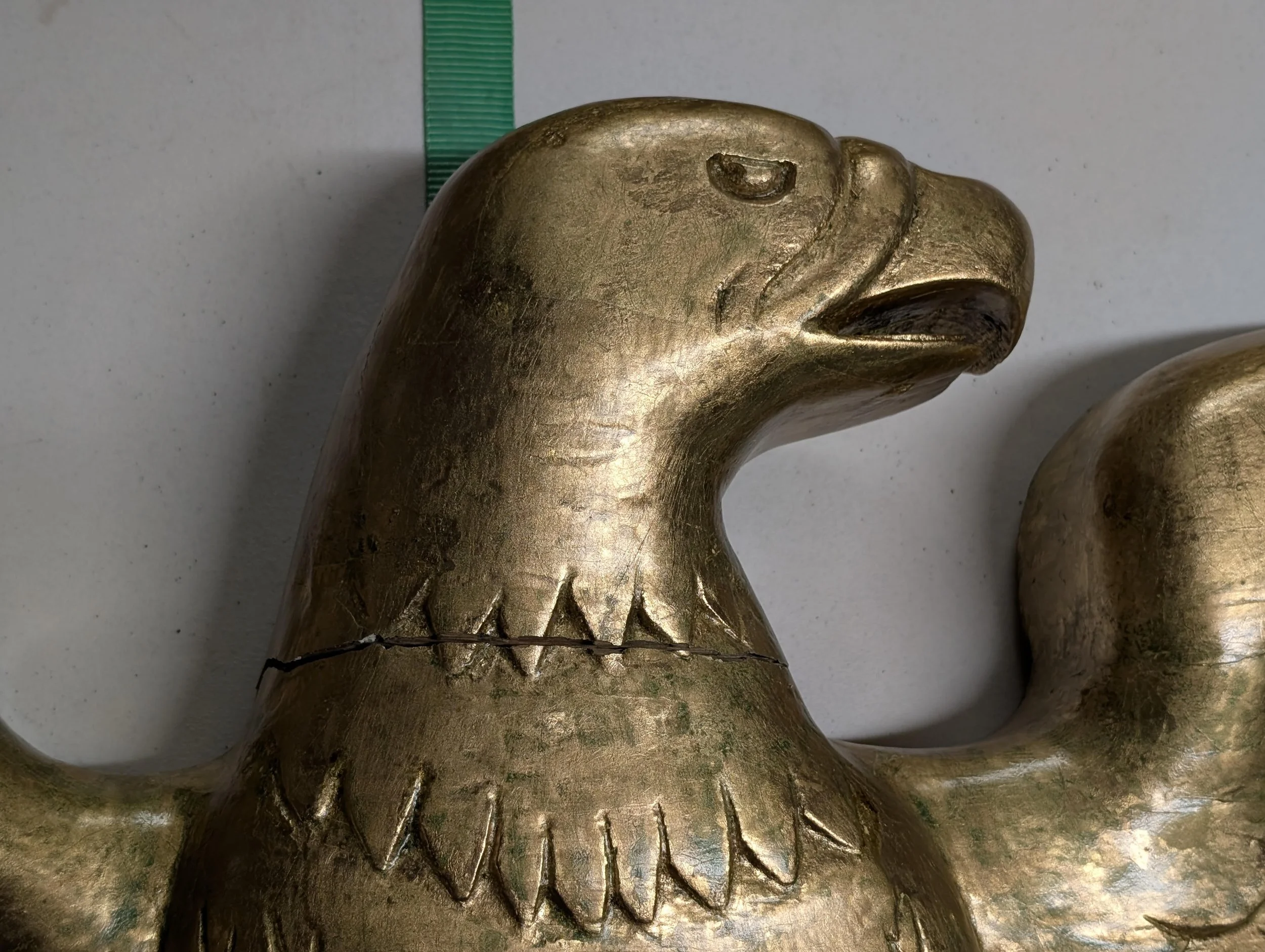
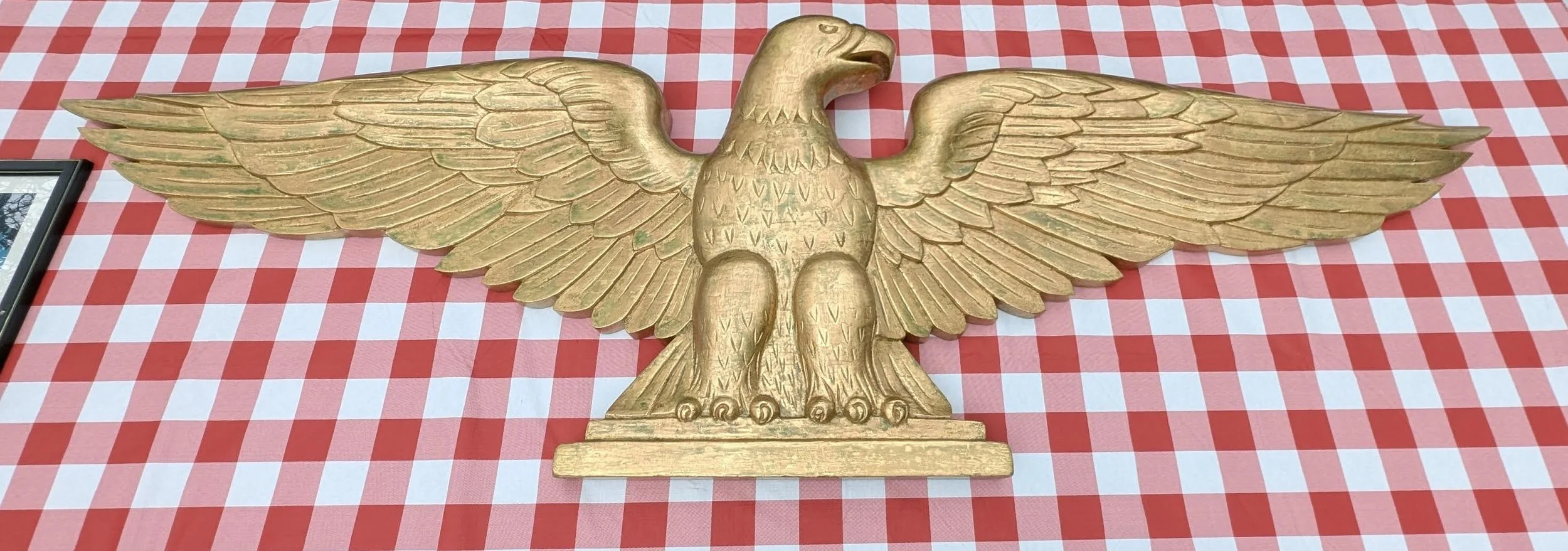
A carved golden eagle, one of the historic artifacts stored at the Whitefish Bay Public Library, was displayed at this year's Memorial Day ceremony — but only after some careful repair.
A close inspection revealed a crack running across the eagle's neck (right), damage Anna says happened within the last year as unmonitored, unsecured items in library storage were shuffled around. Drawing on her 15 years restoring and conserving paintings, Drewes repaired the break and prepared the eagle for display (left).
"Given my background in restoration, I was able to restore this," she said.
Anna hopes residents will also look through old family materials that might be tucked away in attics, basements, drawers or boxes.
Photos are valuable, of course, but she is also interested in diaries, old documents, architectural pieces removed from homes, school reports, essays, records of home updates and family stories connected to village life.
Her advice is simple: share it, even if you are not sure whether it matters.
"This is what we love to do," Anna said. "Personally, I could spend hours looking through mediocre media in the hopes of finding a gem."
One mystery she has written about is the World War II Roll of Honor memorial at Buckley Park. While Drewes believes it was likely destroyed and thrown away, she also knows that pieces of local history sometimes survive in unexpected places.
A resident's garage, basement or attic could hold a clue.
Helping Kids Get Curious
For families, Anna believes local history can start with a walk, a park visit or a trip to the library.
It can be a simple as watching for the historic medallions in the sidewalk, which are all over the village as well.
She encourages parents to take children to the library and, when they are old enough, help them respectfully explore the Mimi Bird volumes. Those materials are available through the adult reference desk, and some information is also available online.
History, she said, is already all around Whitefish Bay.
The schools children attend, the parks they play in and the streets they walk all carry pieces of the village's past. (Curious about the trees lining those streets? We looked into Whitefish Bay's urban canopy, and you can browse even more local trivia in our historical facts about Whitefish Bay.)
Anna also hopes to eventually create an interactive map of Whitefish Bay, possibly through an app or Google Maps, so families could take self-guided history tours and learn about homes, buildings and landmarks as they walk through the village.
What's Next
Drewes has several topics she is excited to explore next, including the history of Klode Park, especially as the village discusses plans for a new warming house. She also plans to write about Whitefish Bay's Fourth of July celebrations in connection with America's 250th birthday, continue her series on the Armory grounds and share more "then and now" photos. (For this year's festivities, here's our guide to the Fourth of July in Whitefish Bay.)
For now, her page is already giving residents a reason to look twice at the familiar places around them.
Whitefish Bay history is not only something preserved in archives. It is in the parks, homes, schools and sidewalks families pass every day and in the stories residents are still able to share.
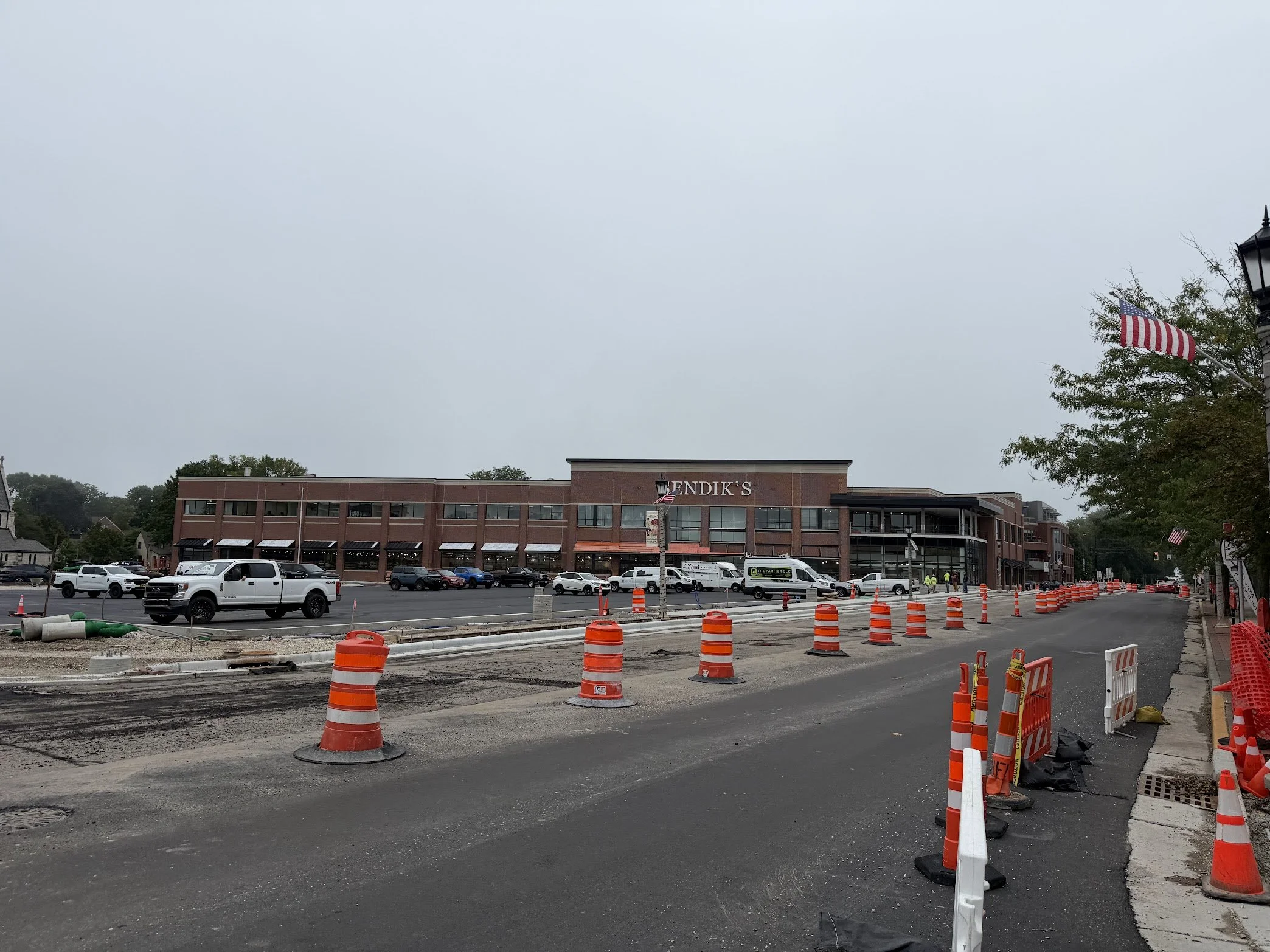
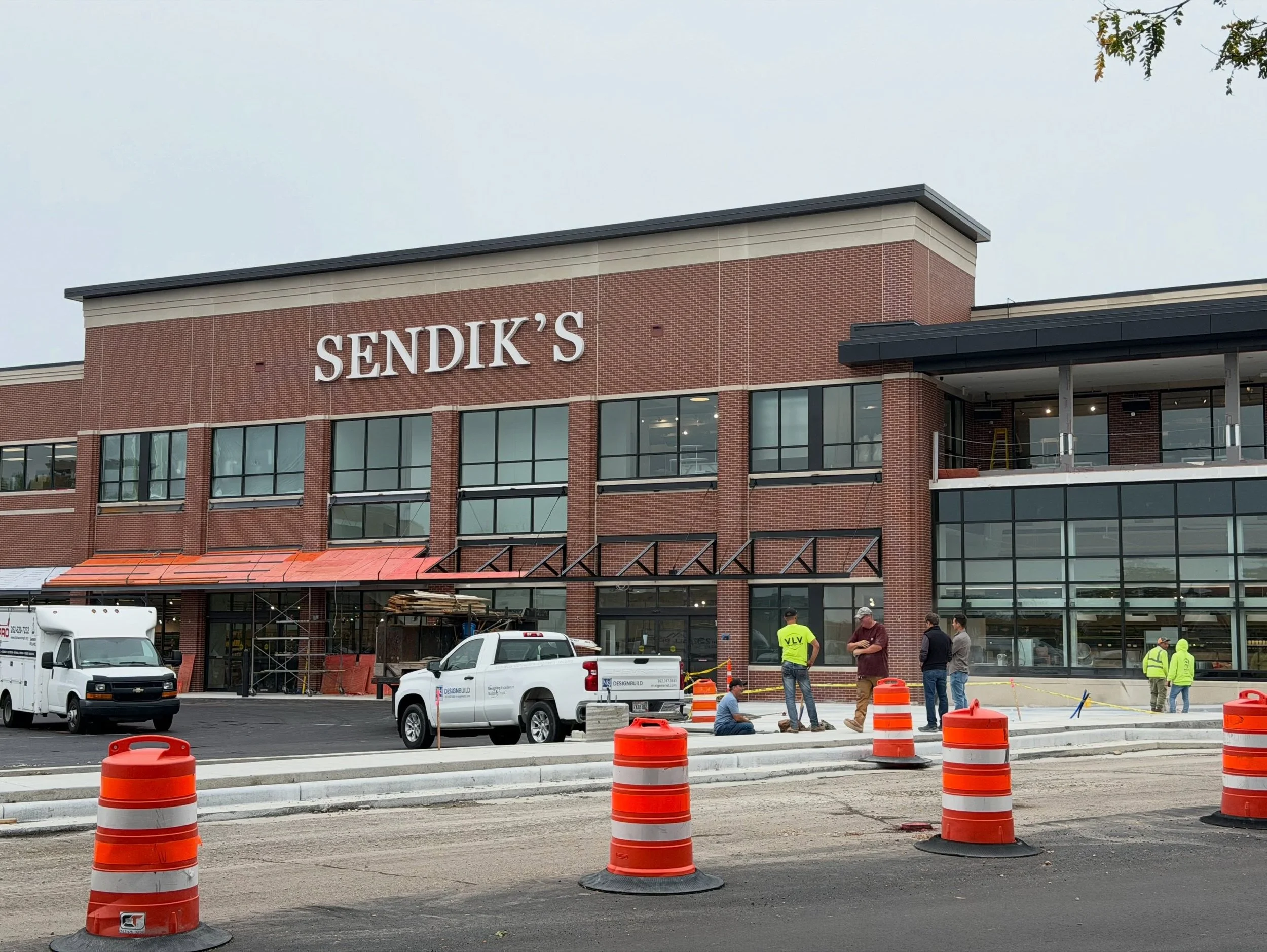
Four intersections near Whitefish Bay schools are moving closer to permanent safety improvements, with construction planned for summer 2027.